


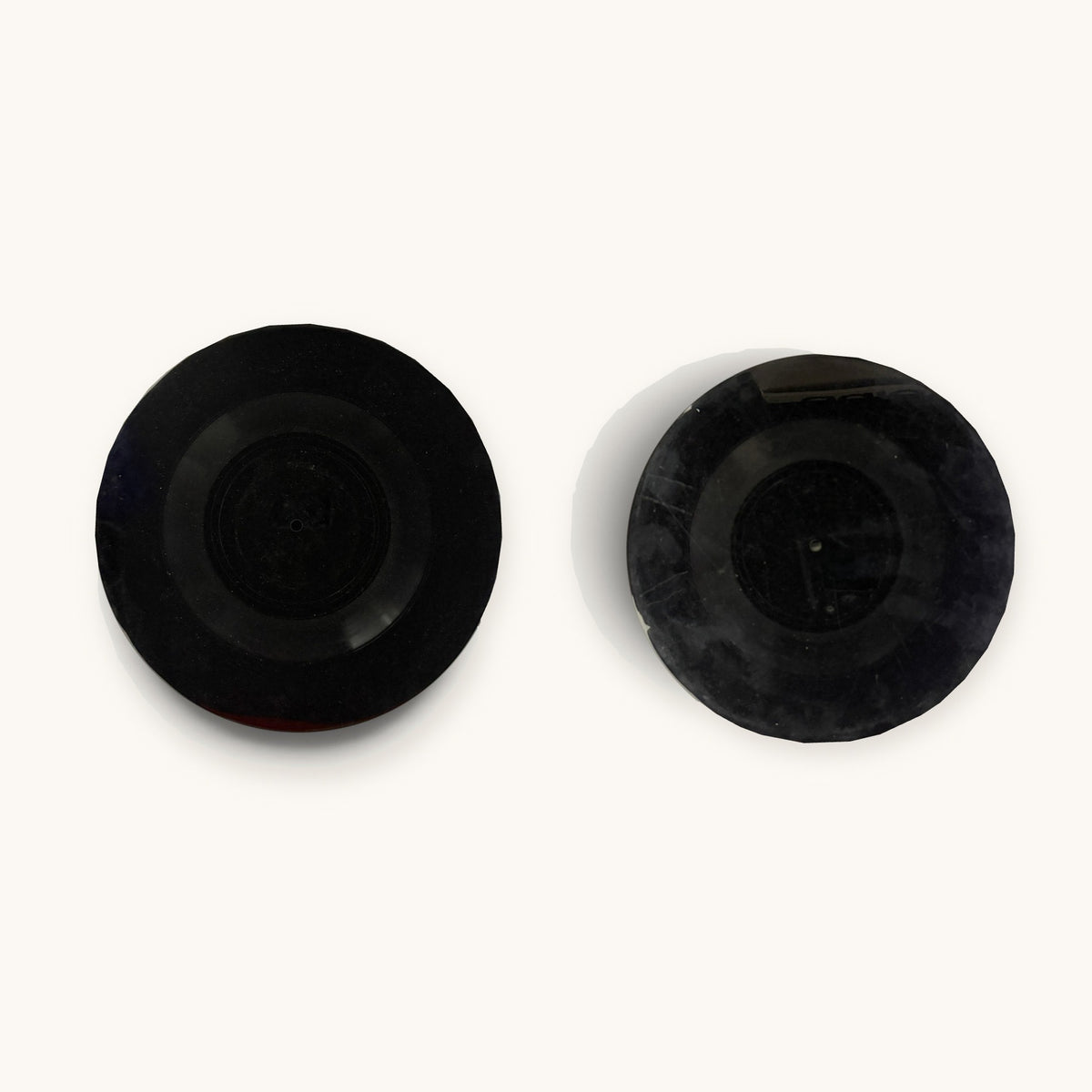
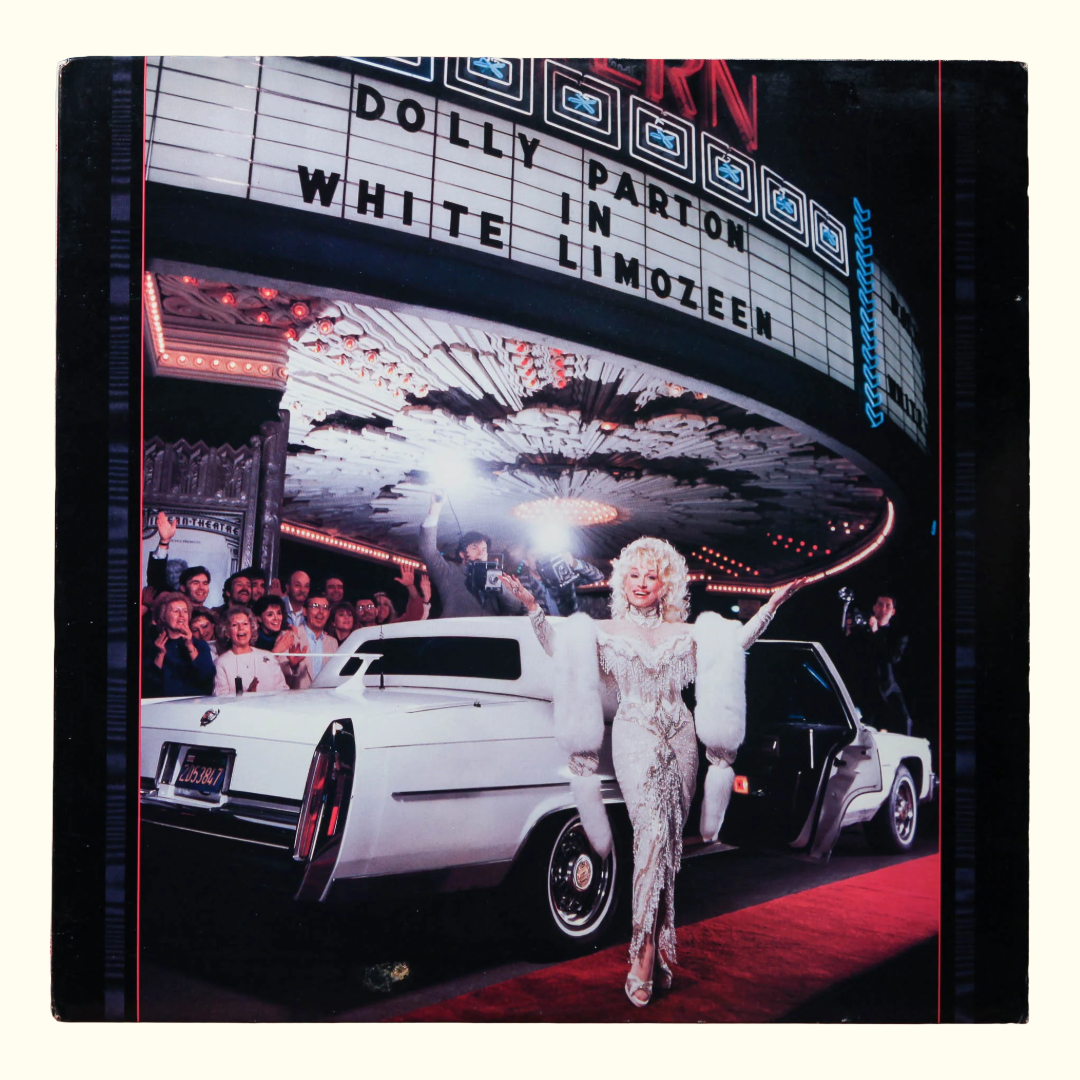
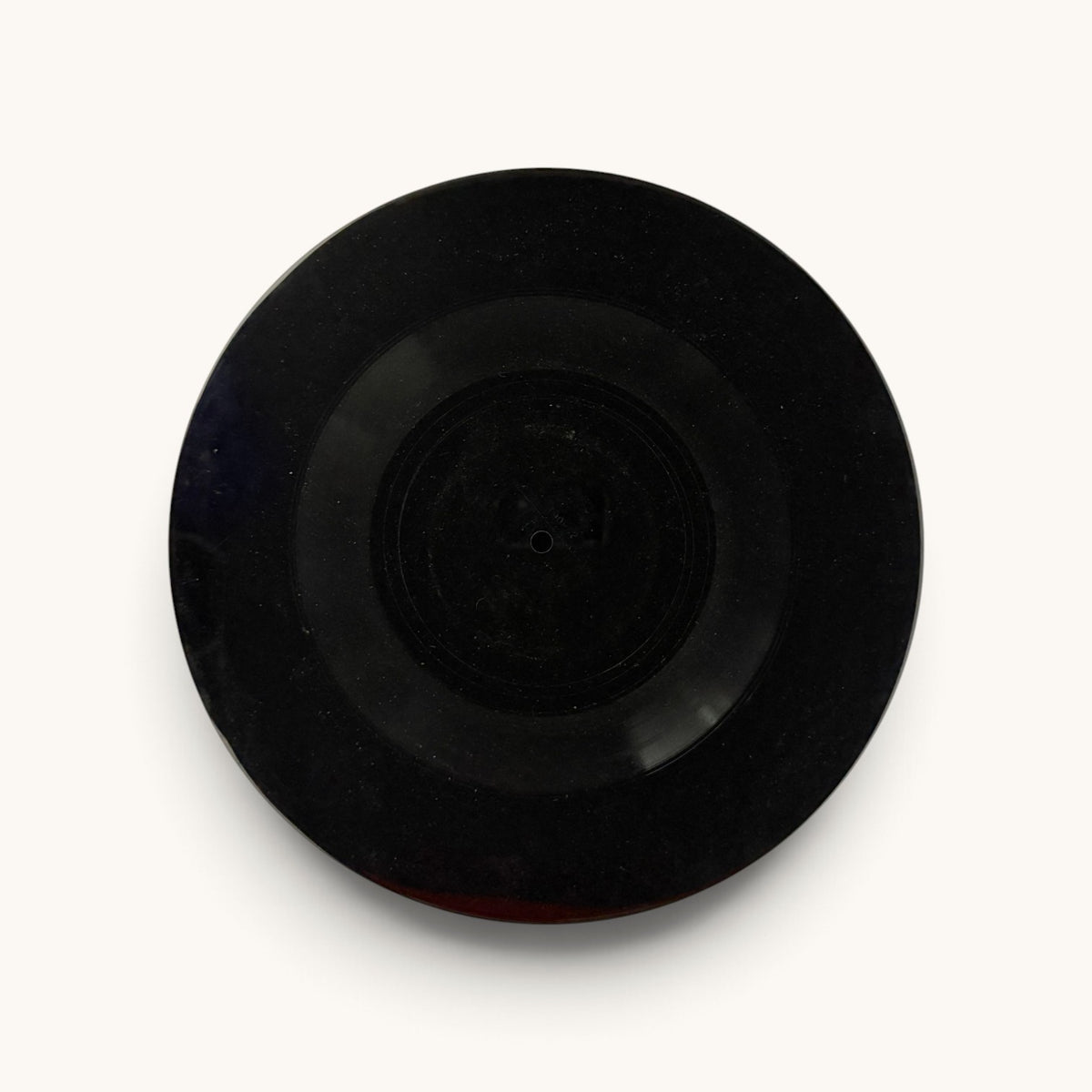
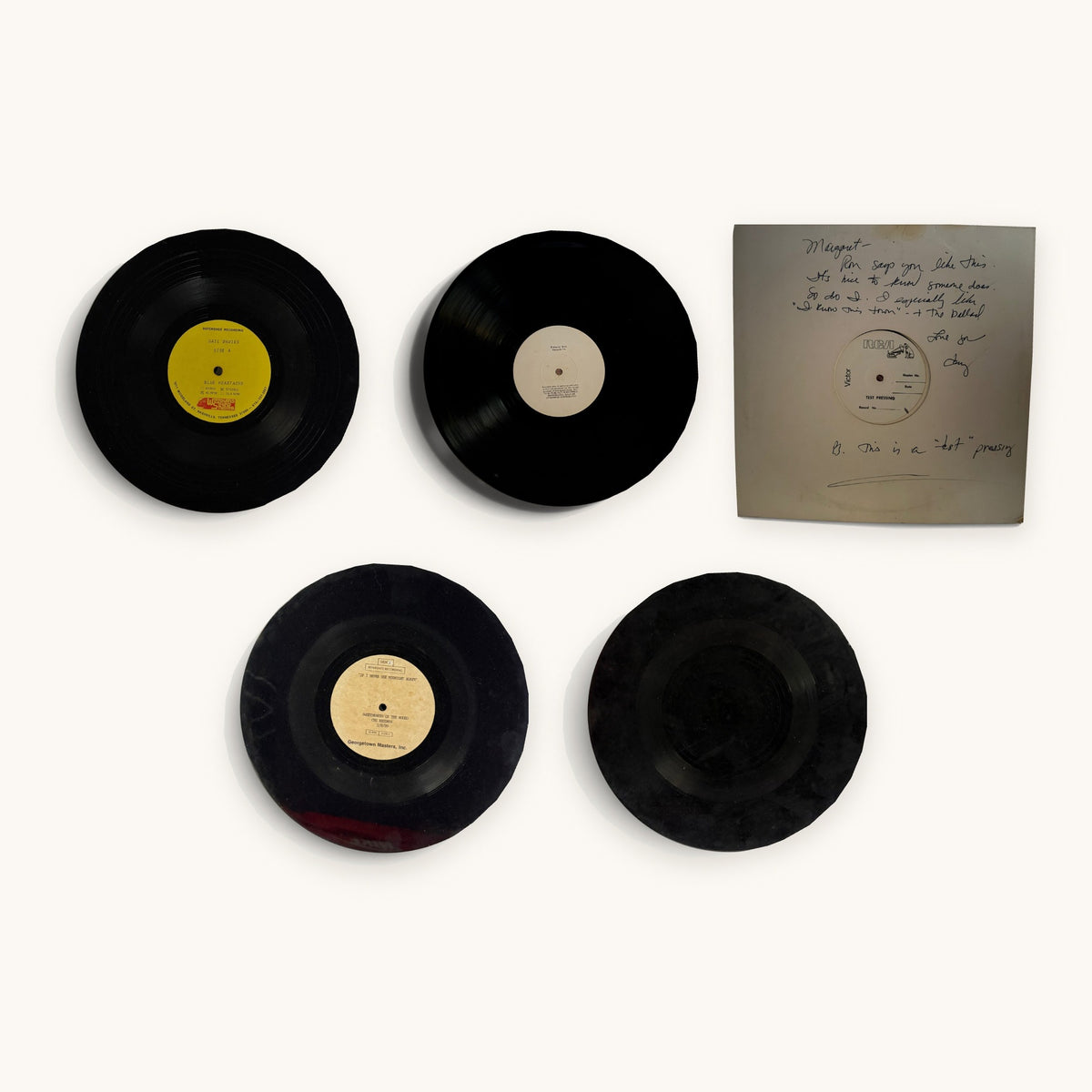
Dolly Parton - ‘He’s Alive’ Reference Acetates x2, 45 & 33⅓ RPM (White Limozeen, 1989)
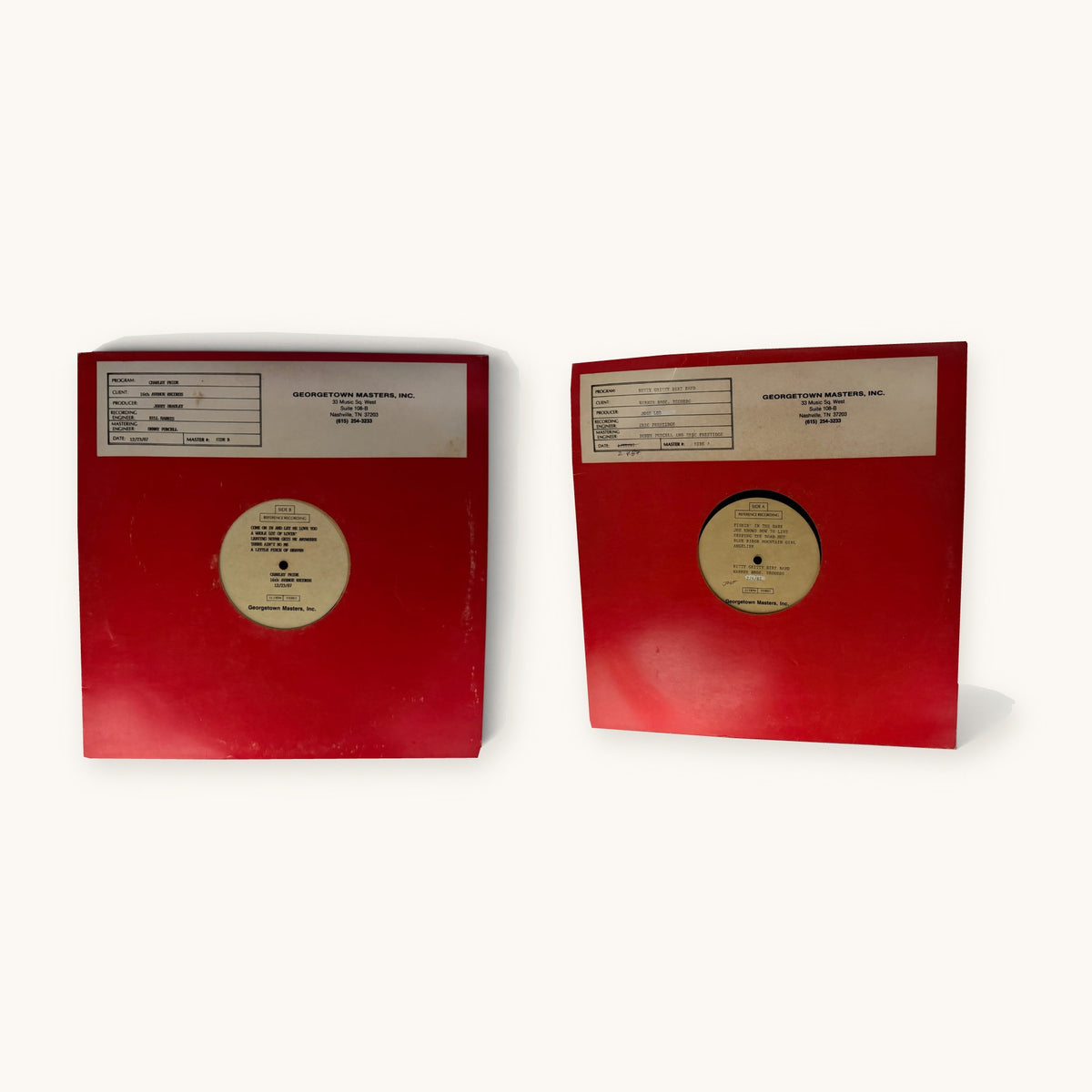
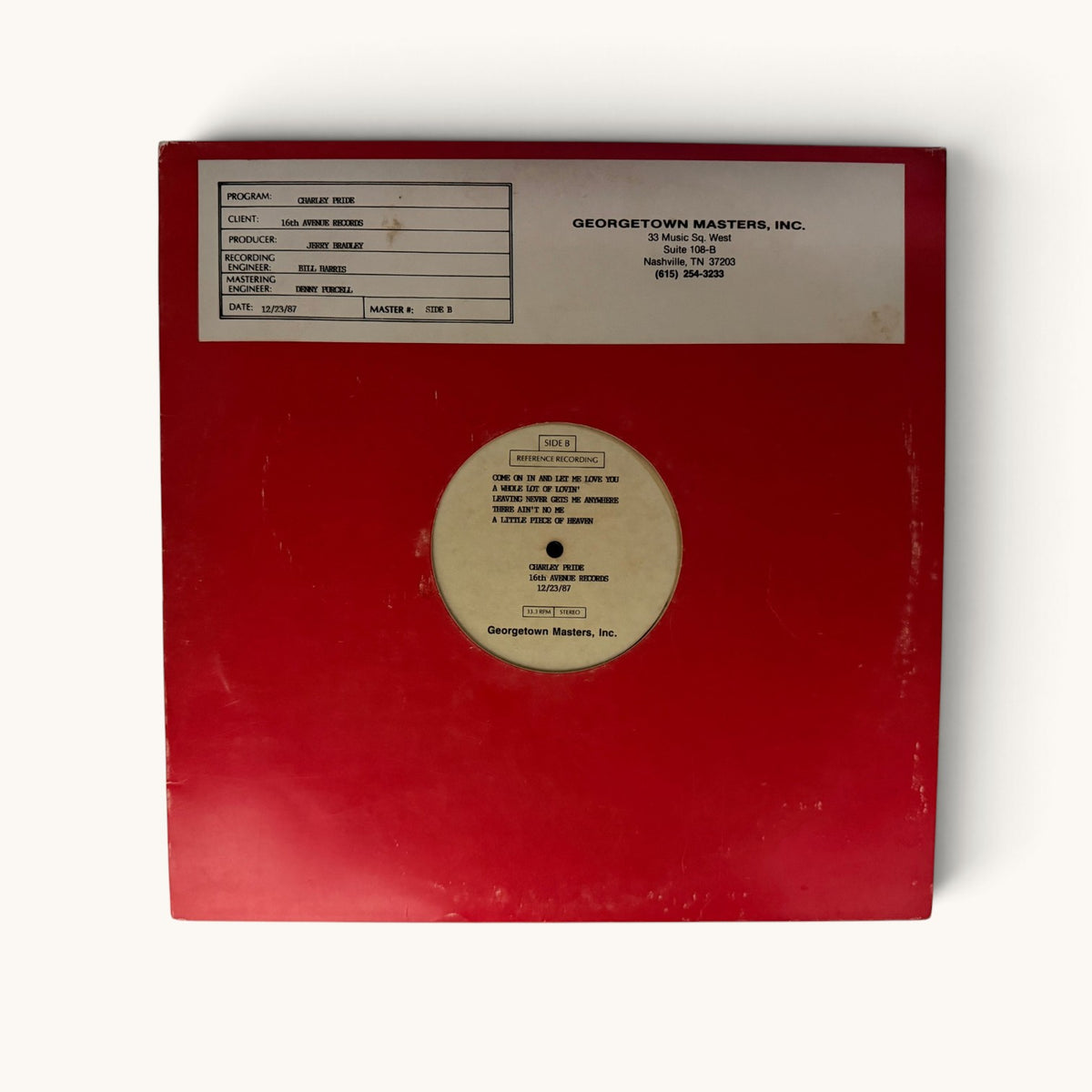
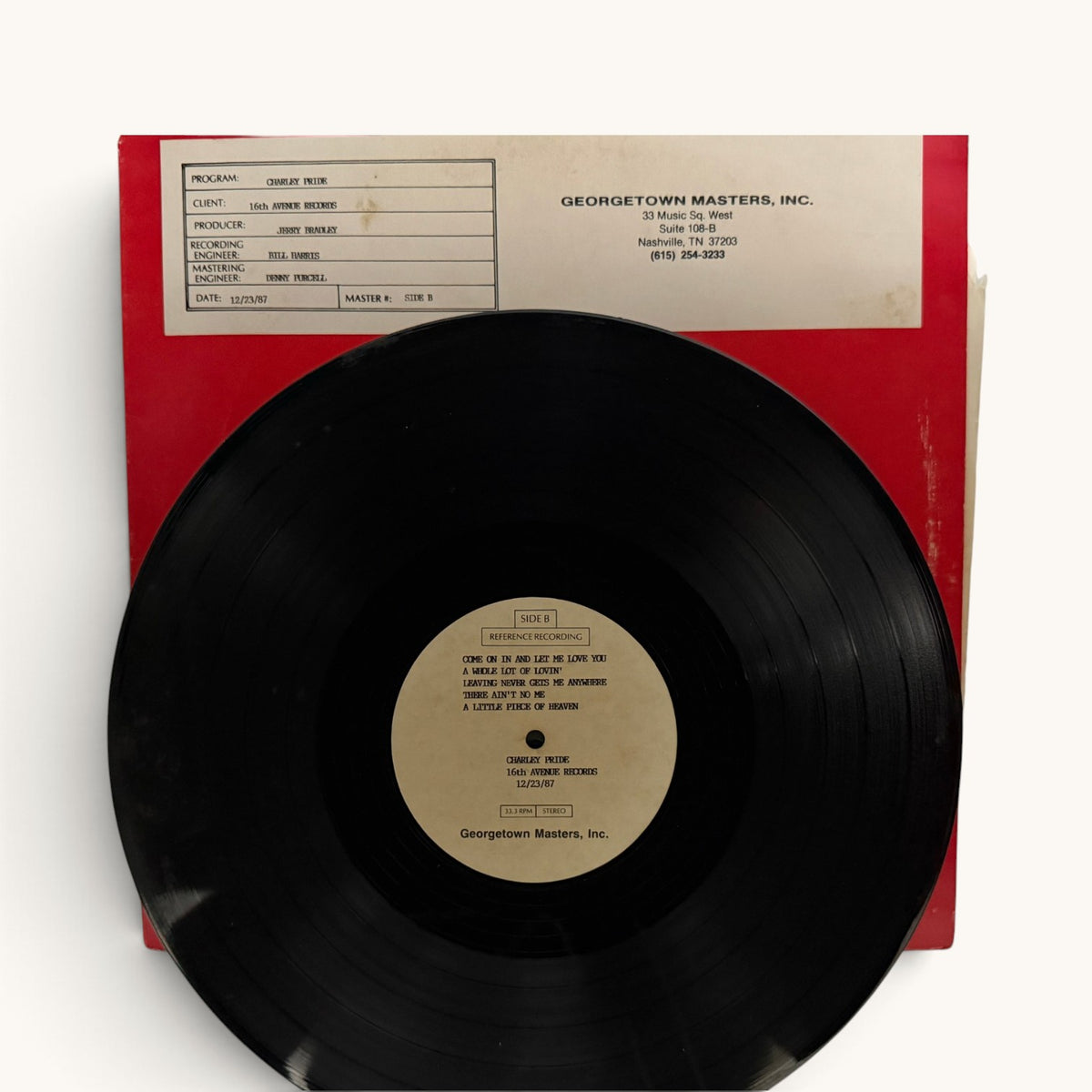
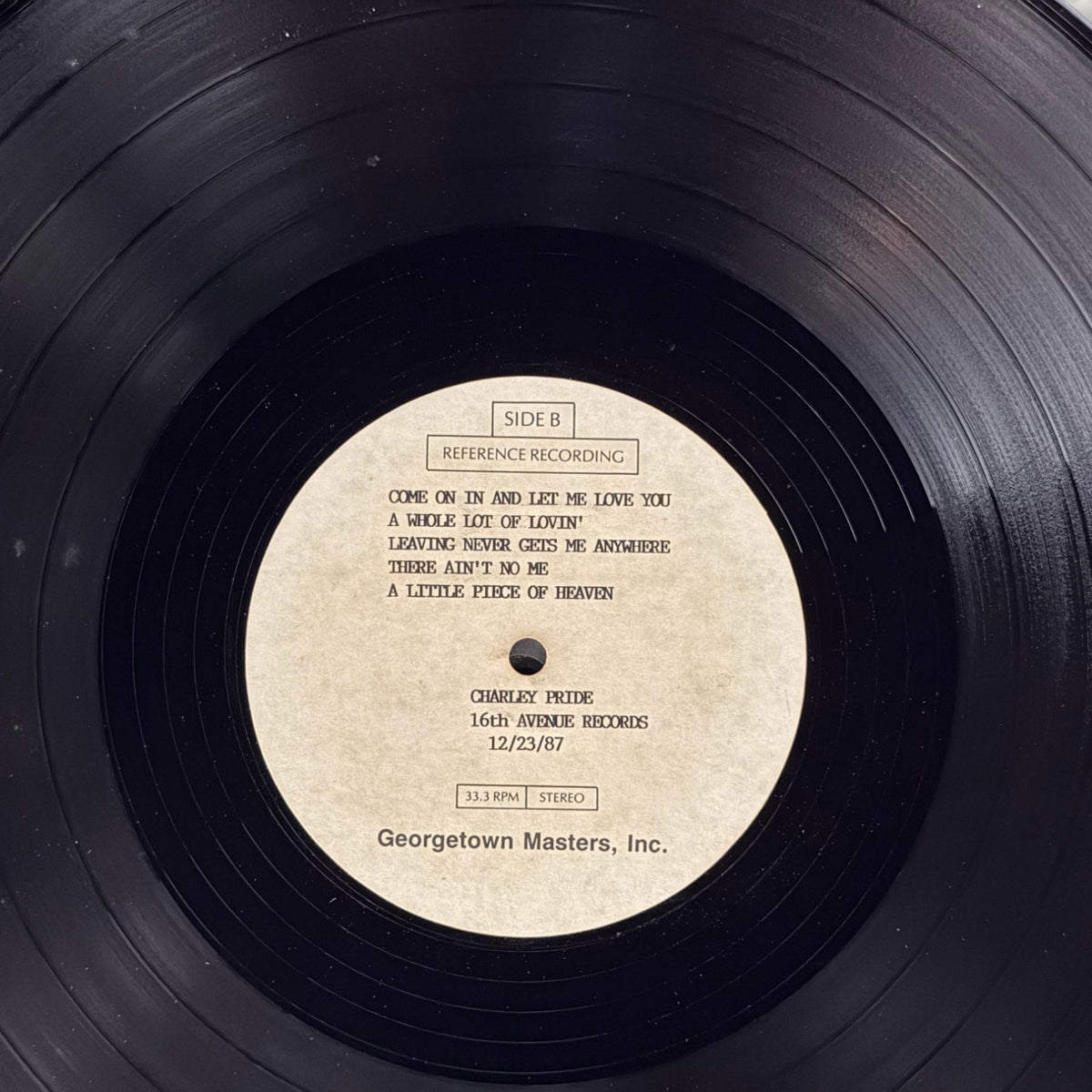
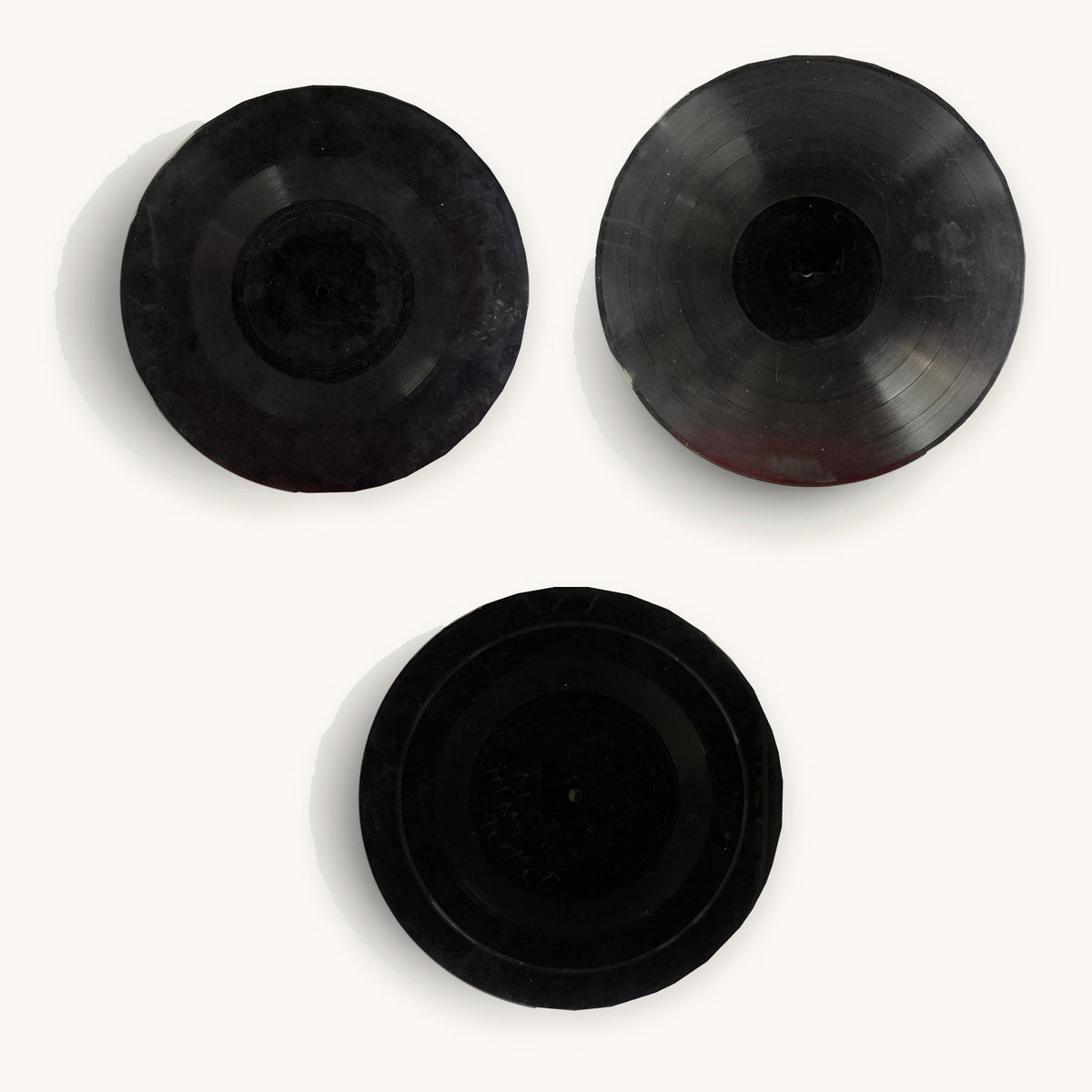
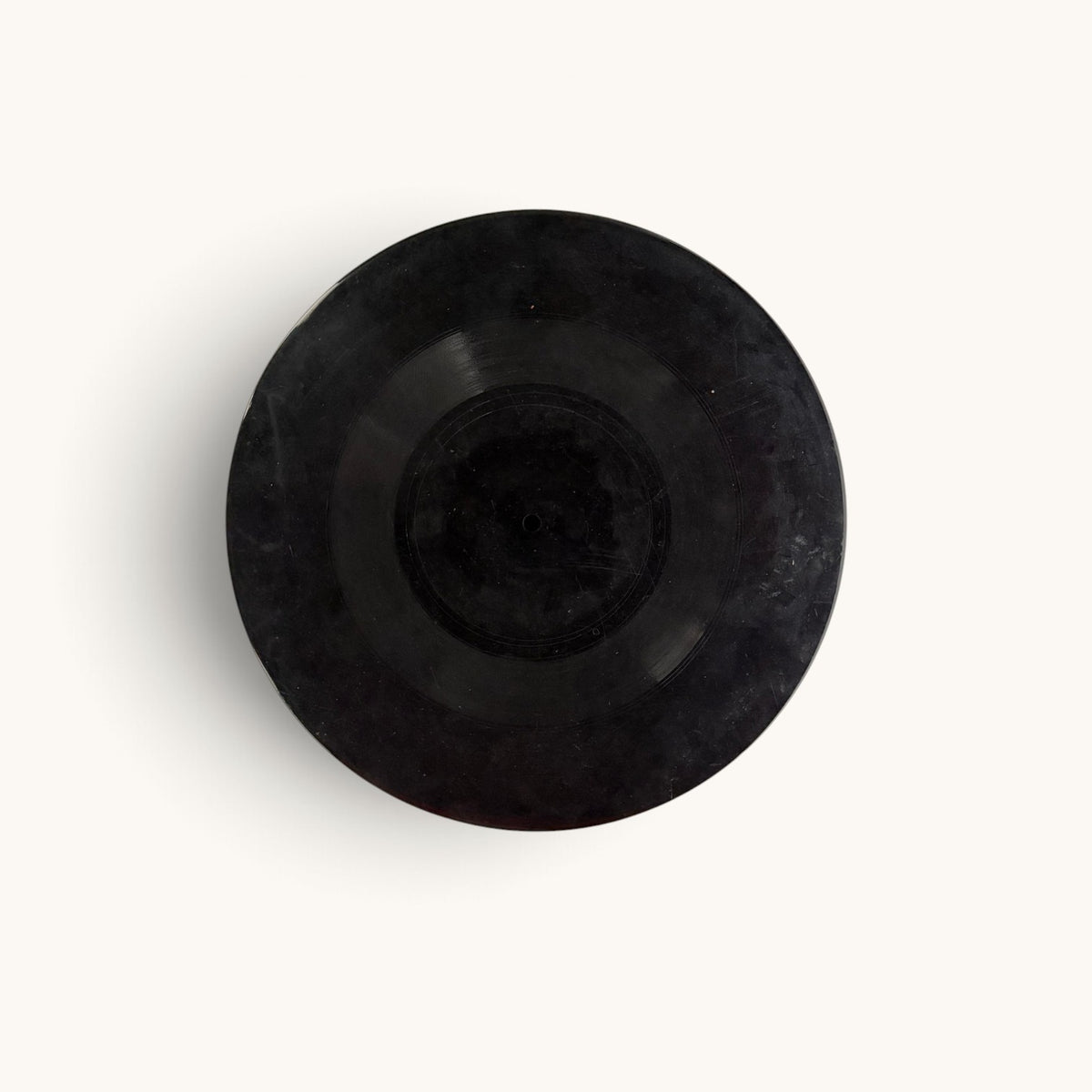
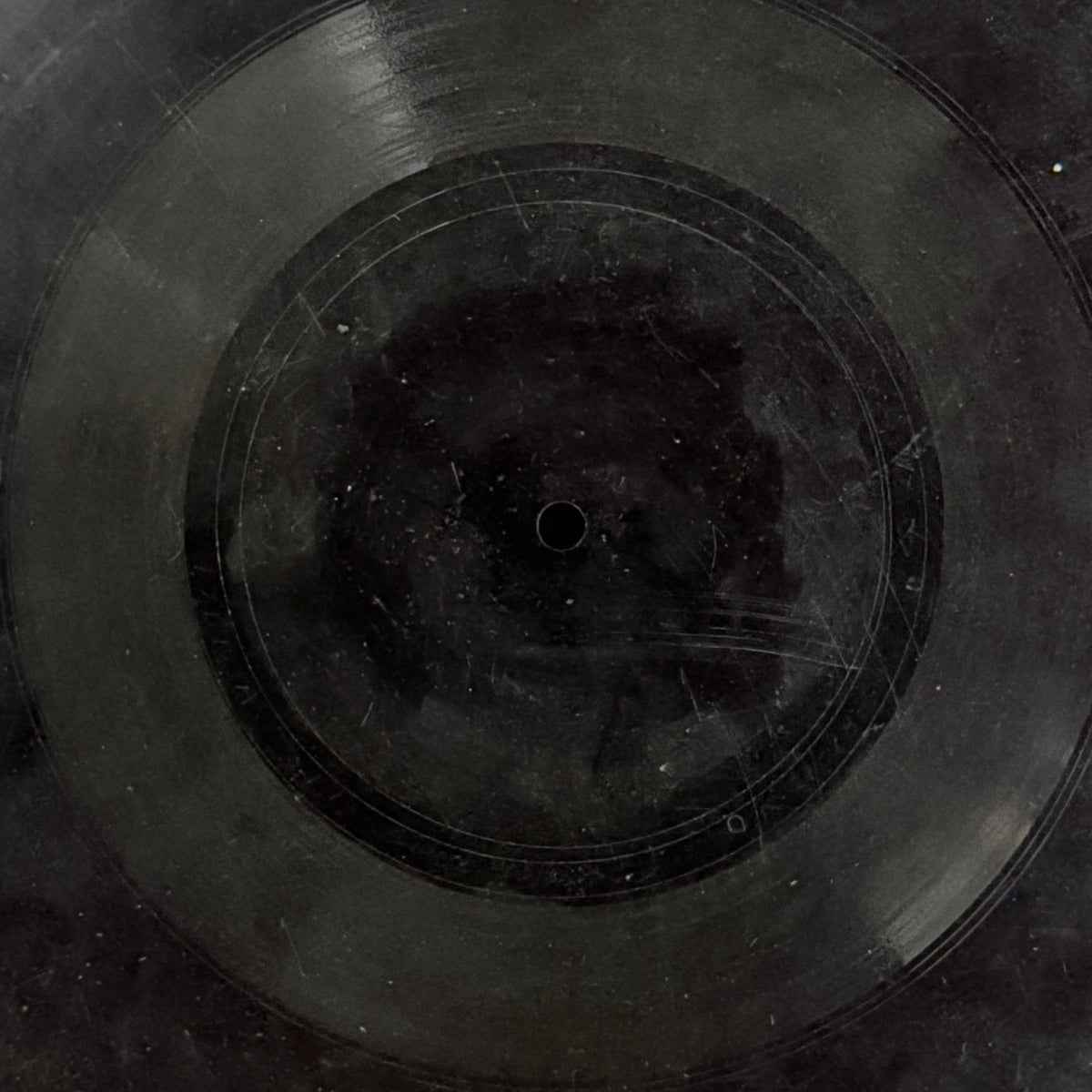
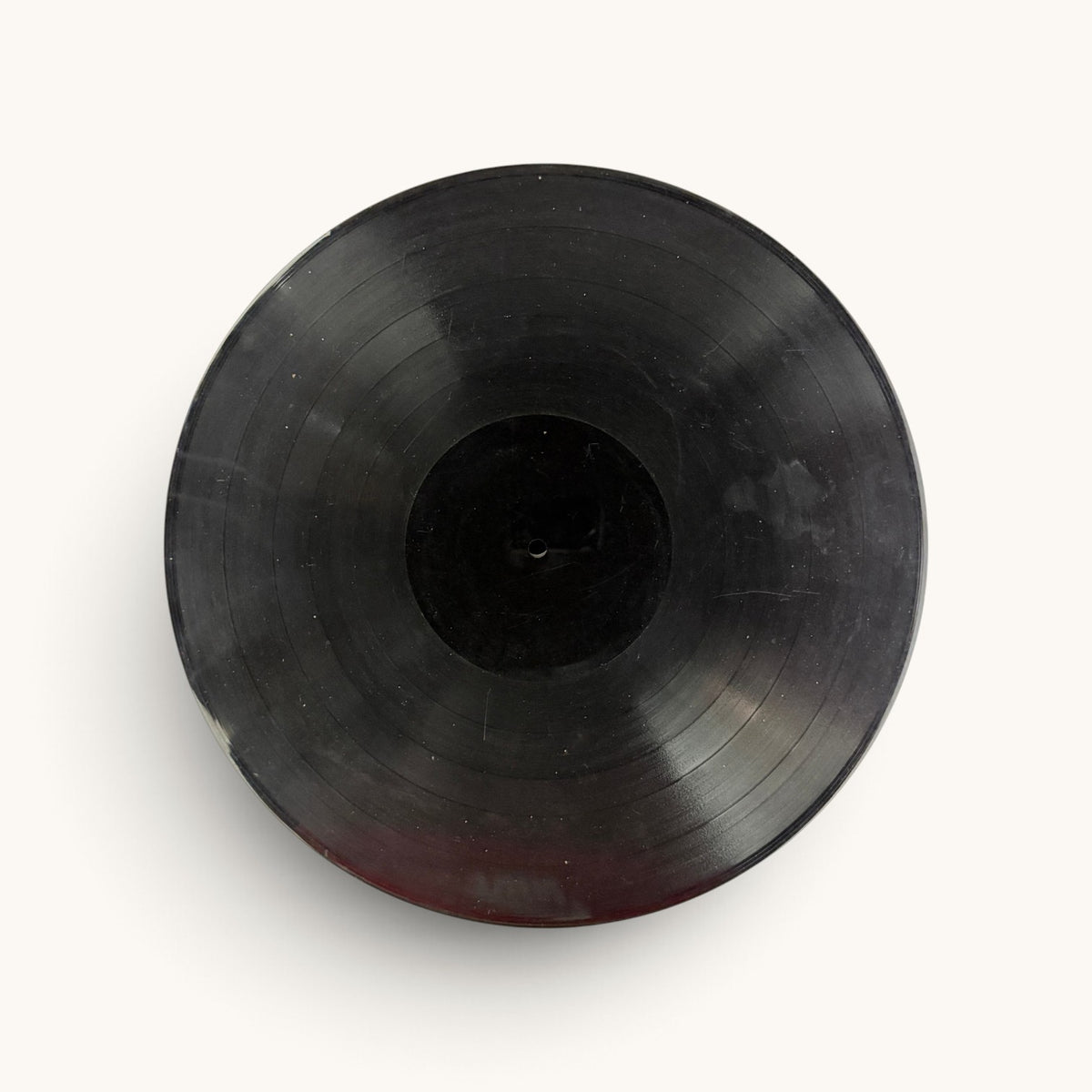
k.d. lang, Chet Atkins & the Bama Band - Georgetown Masters Reference Cuts (1988)
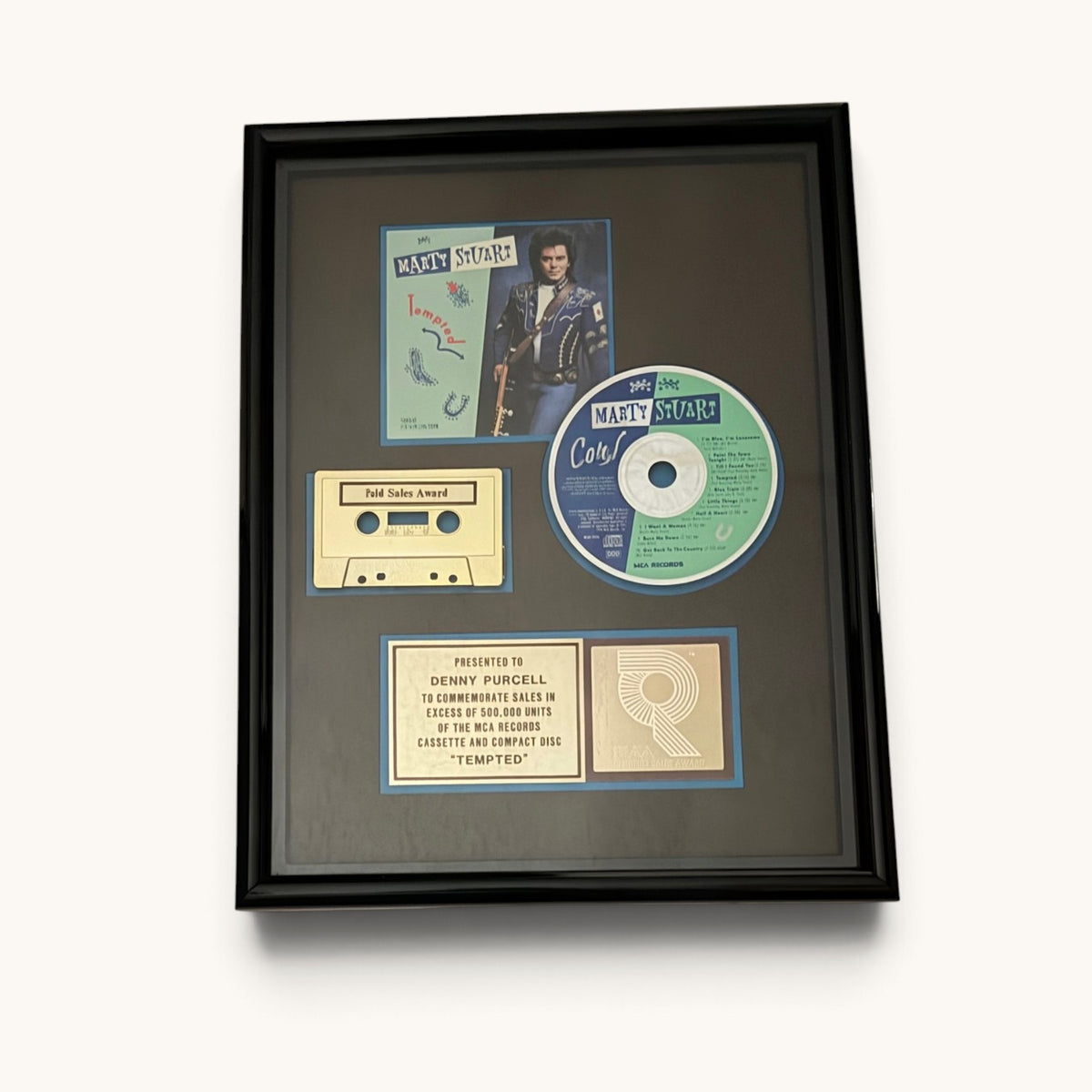
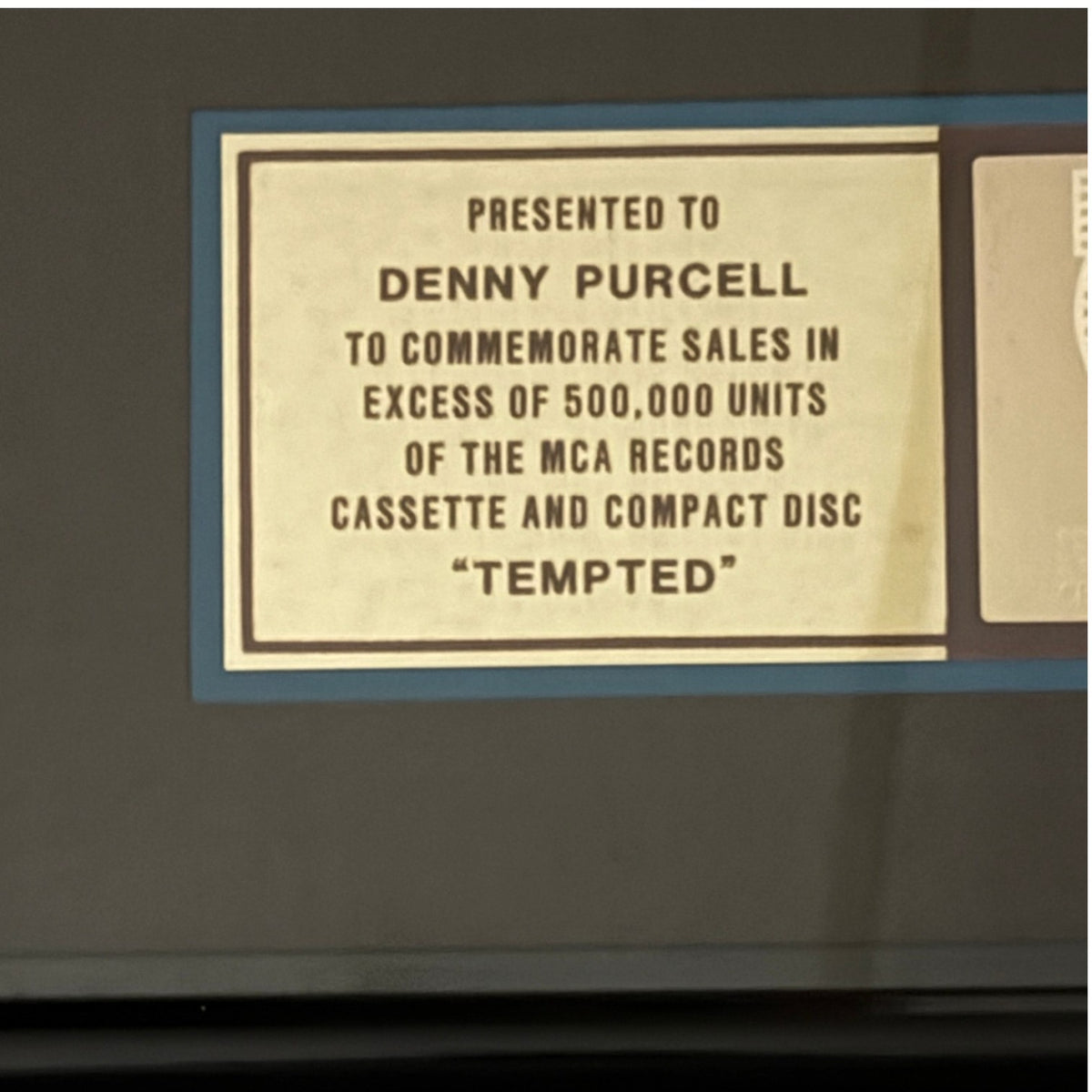
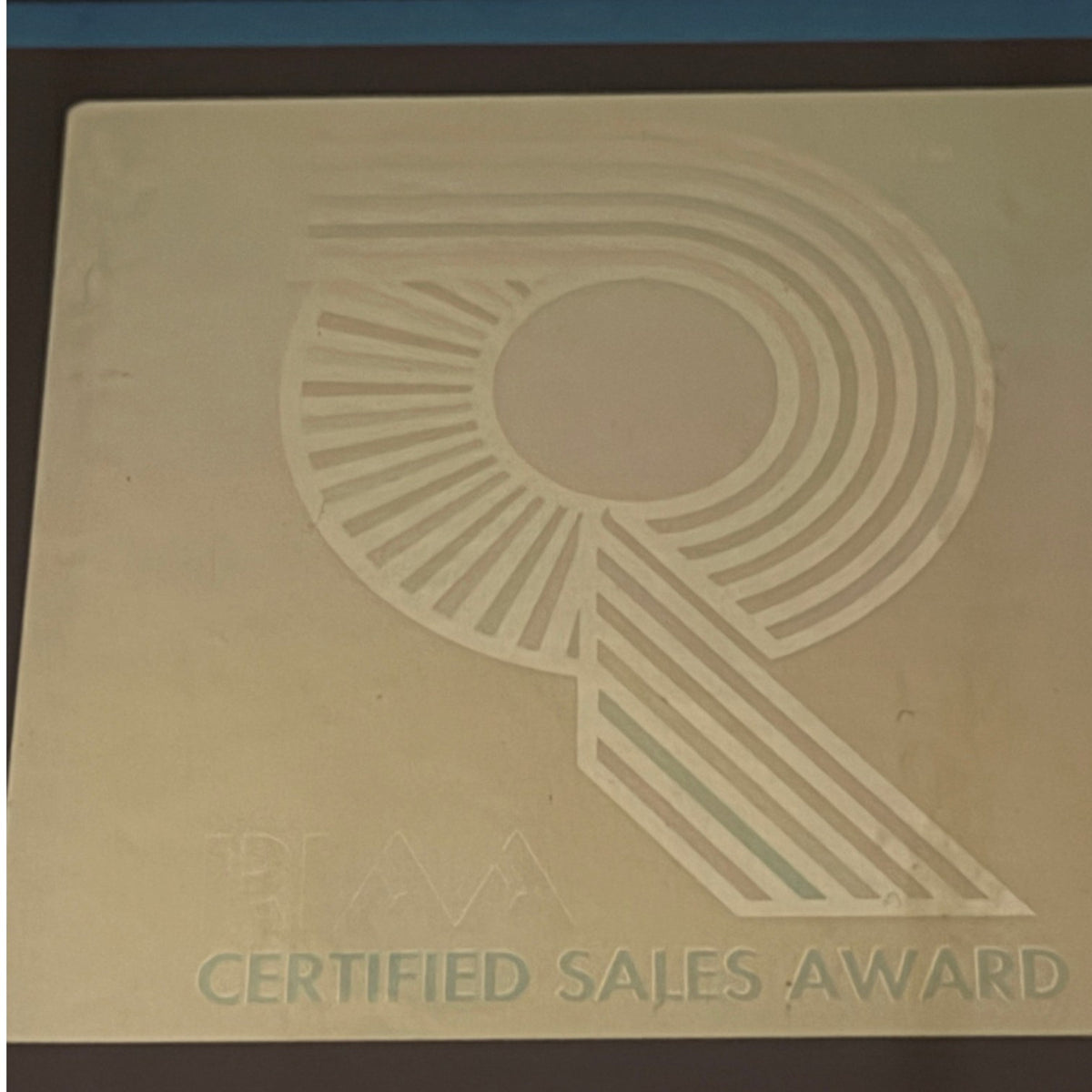
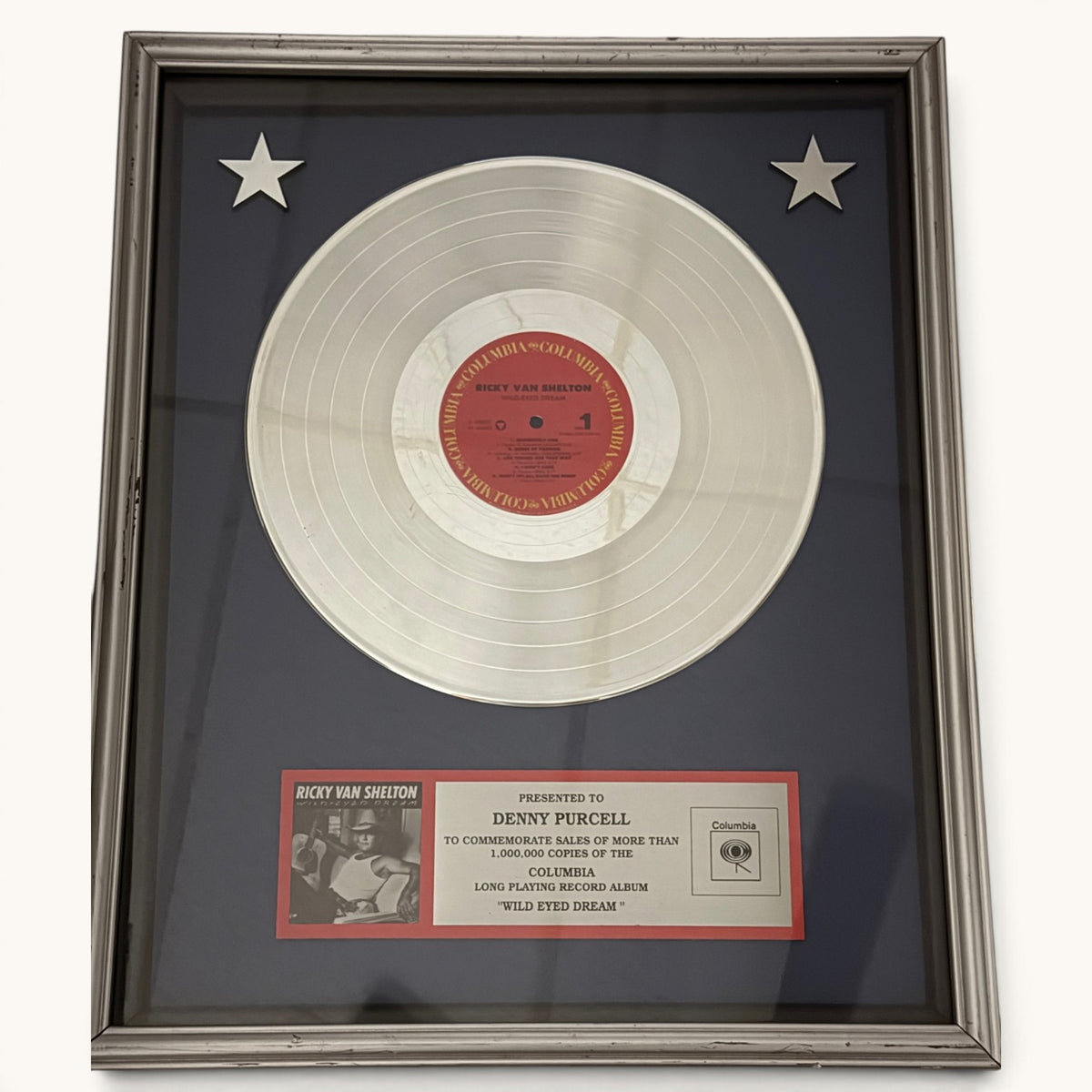
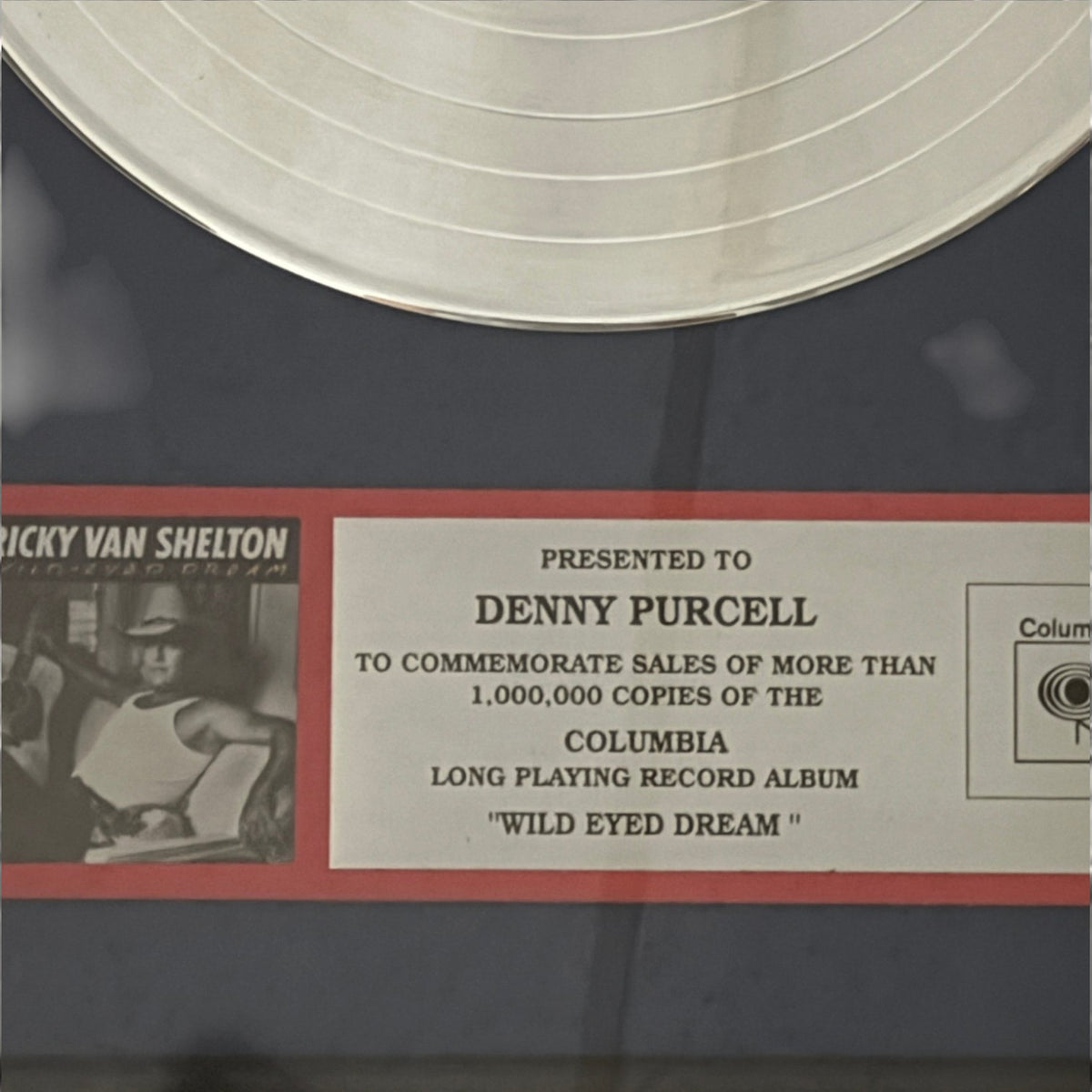
Marty Stuart - RIAA Gold Sales Award, CD & Cassette (Denny Purcell Archive)
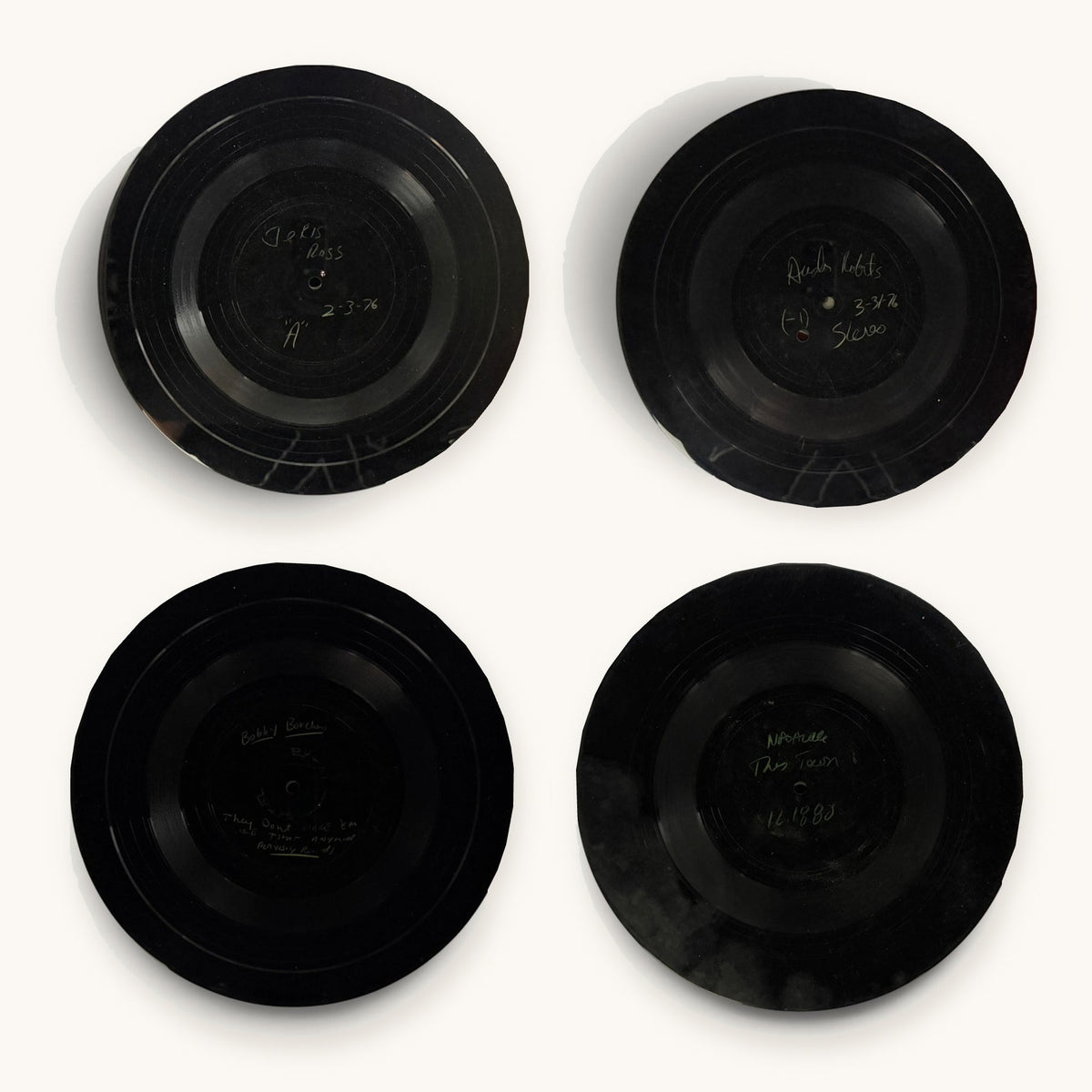
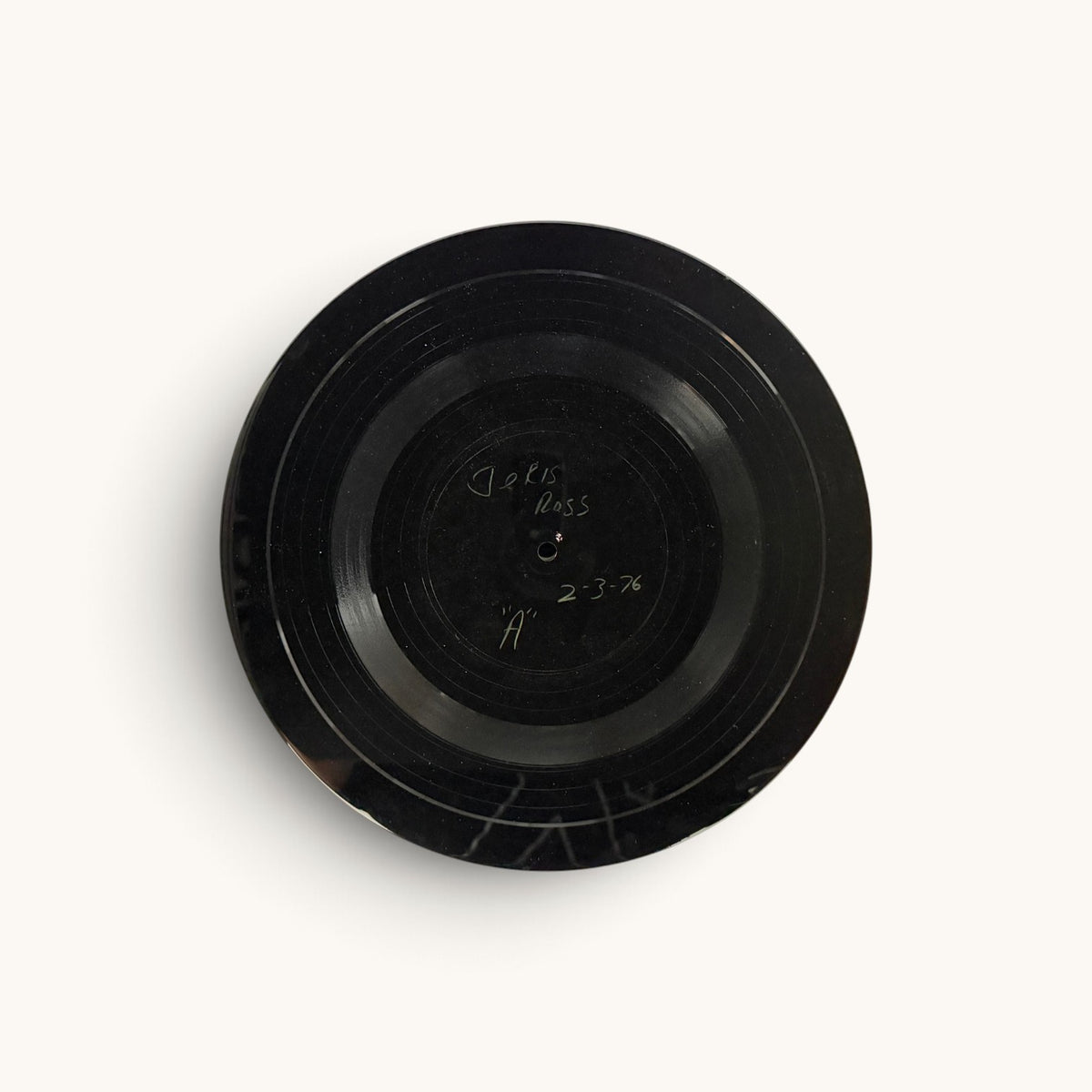
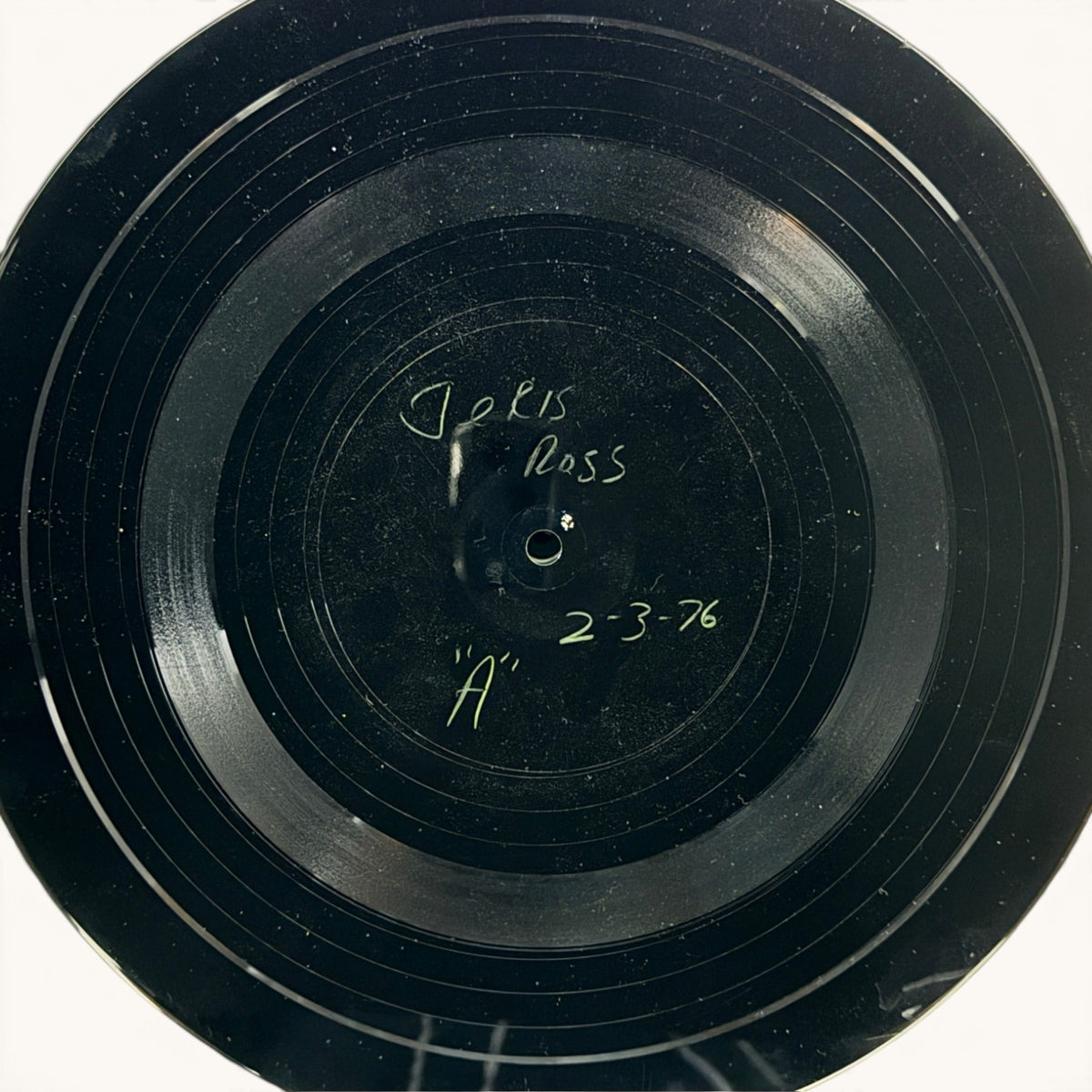
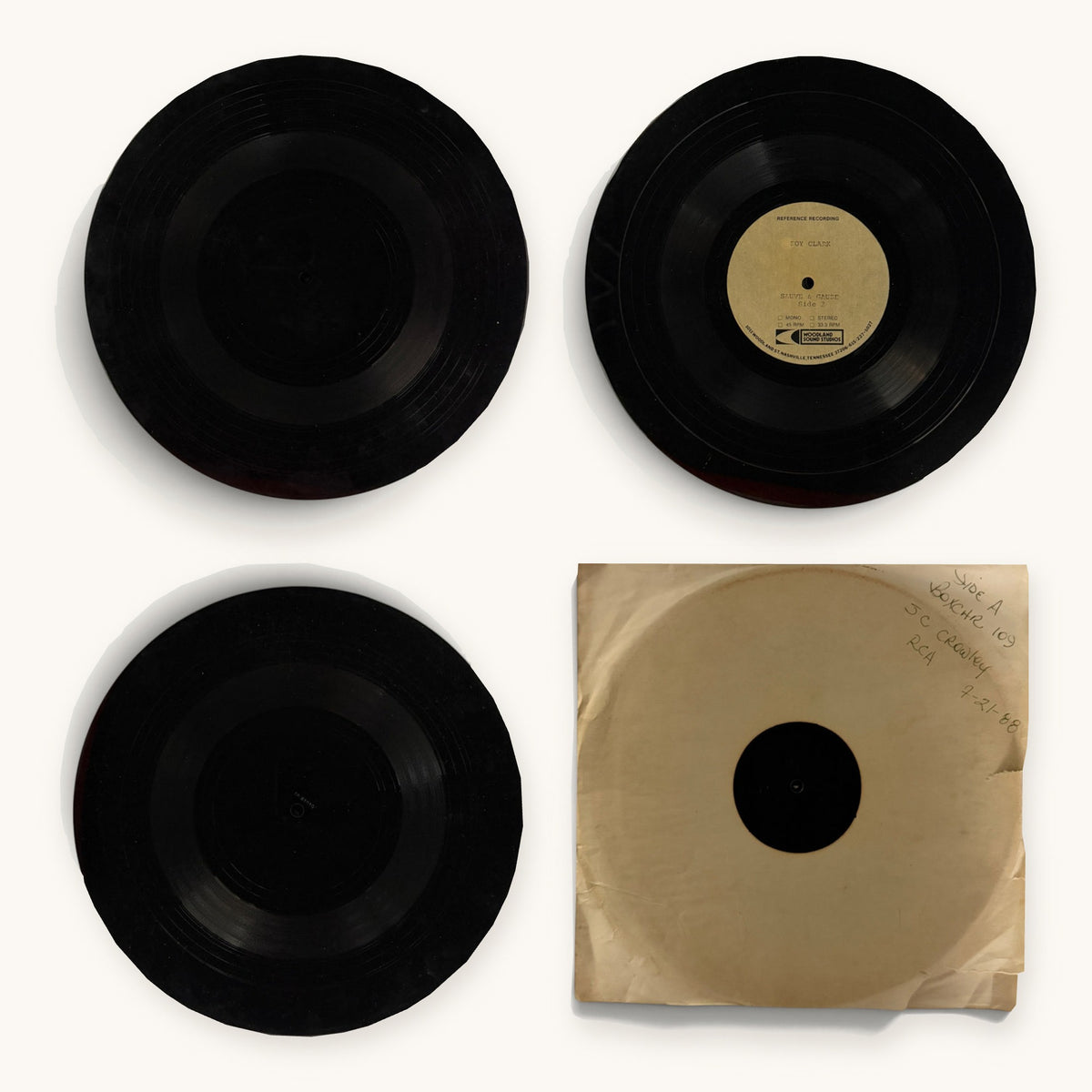
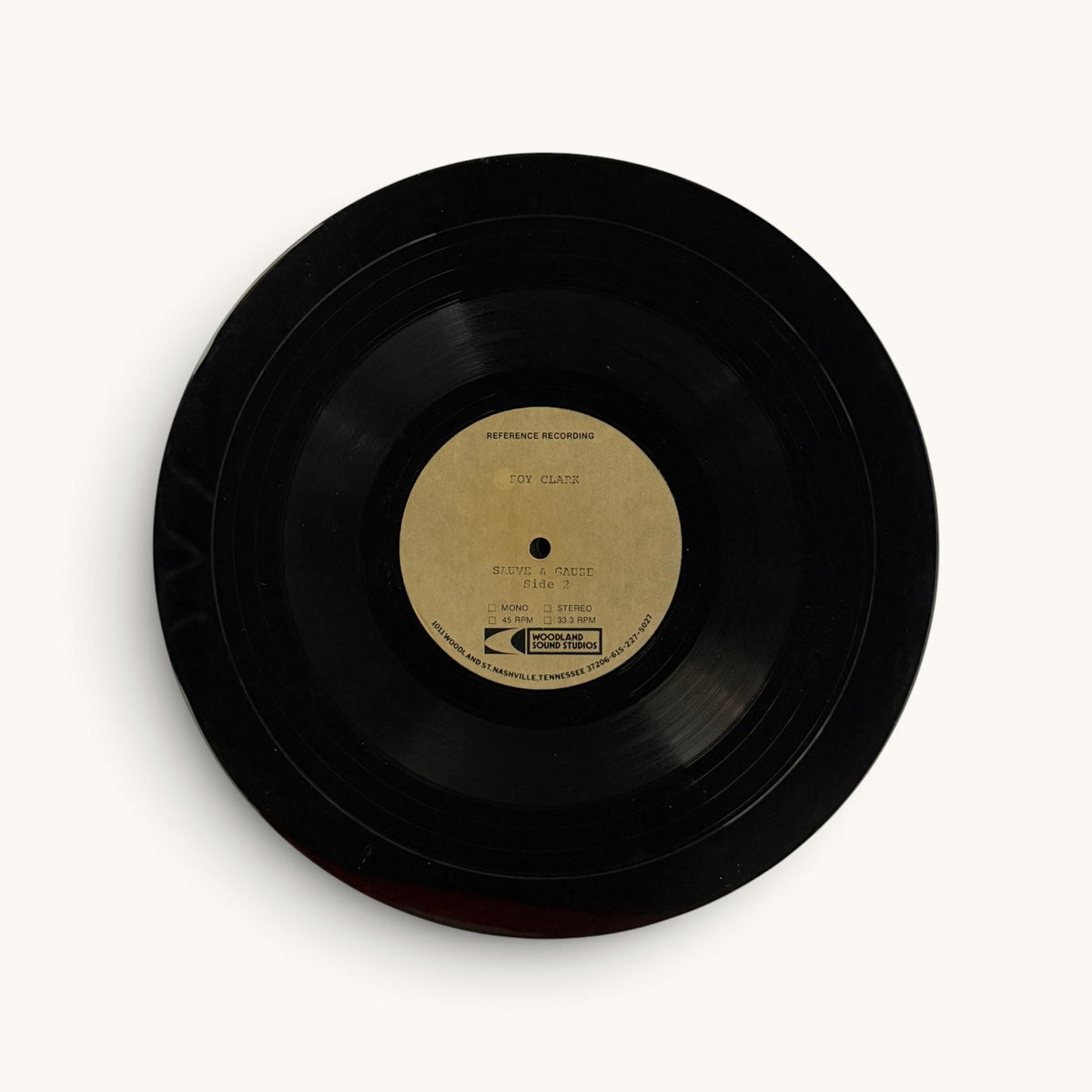
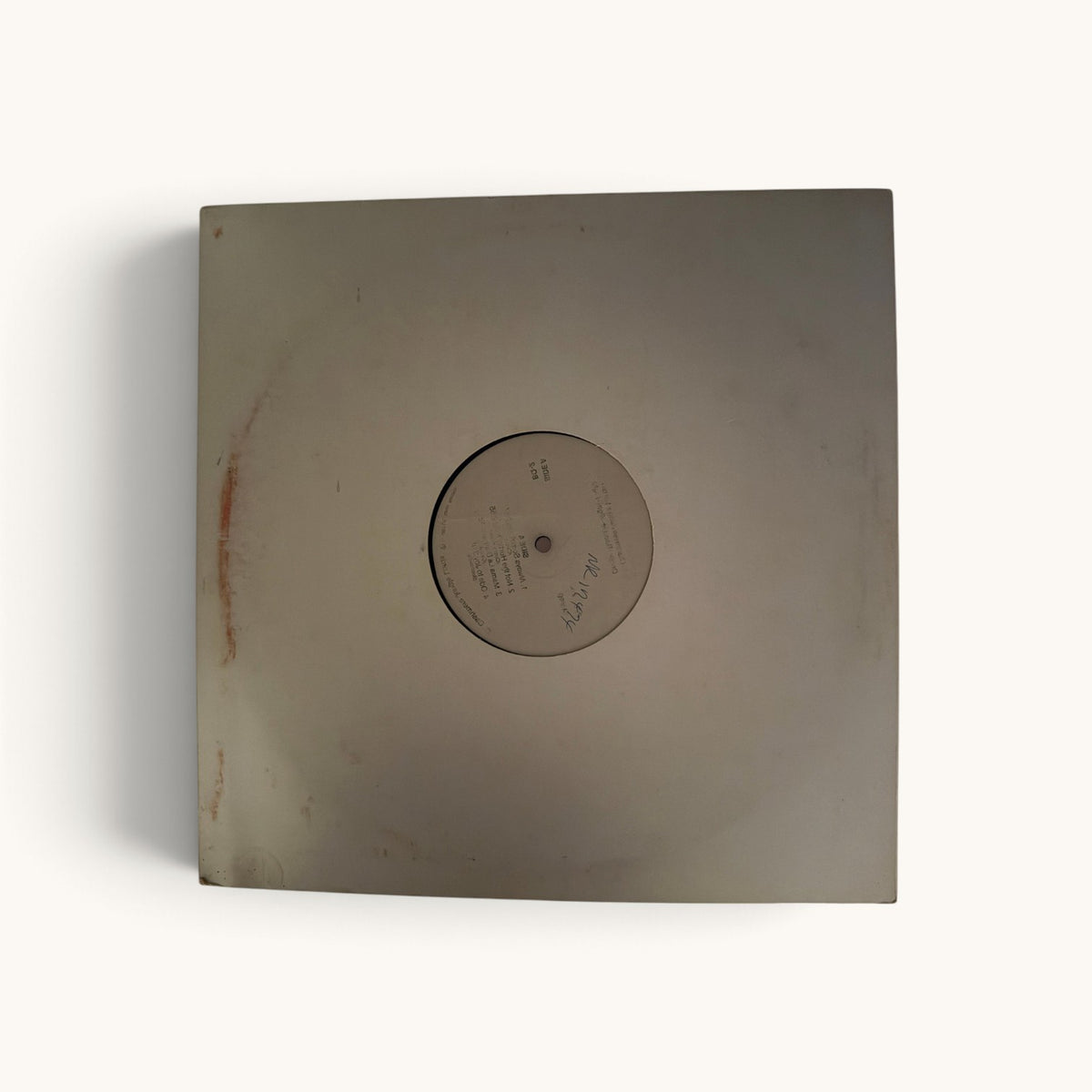
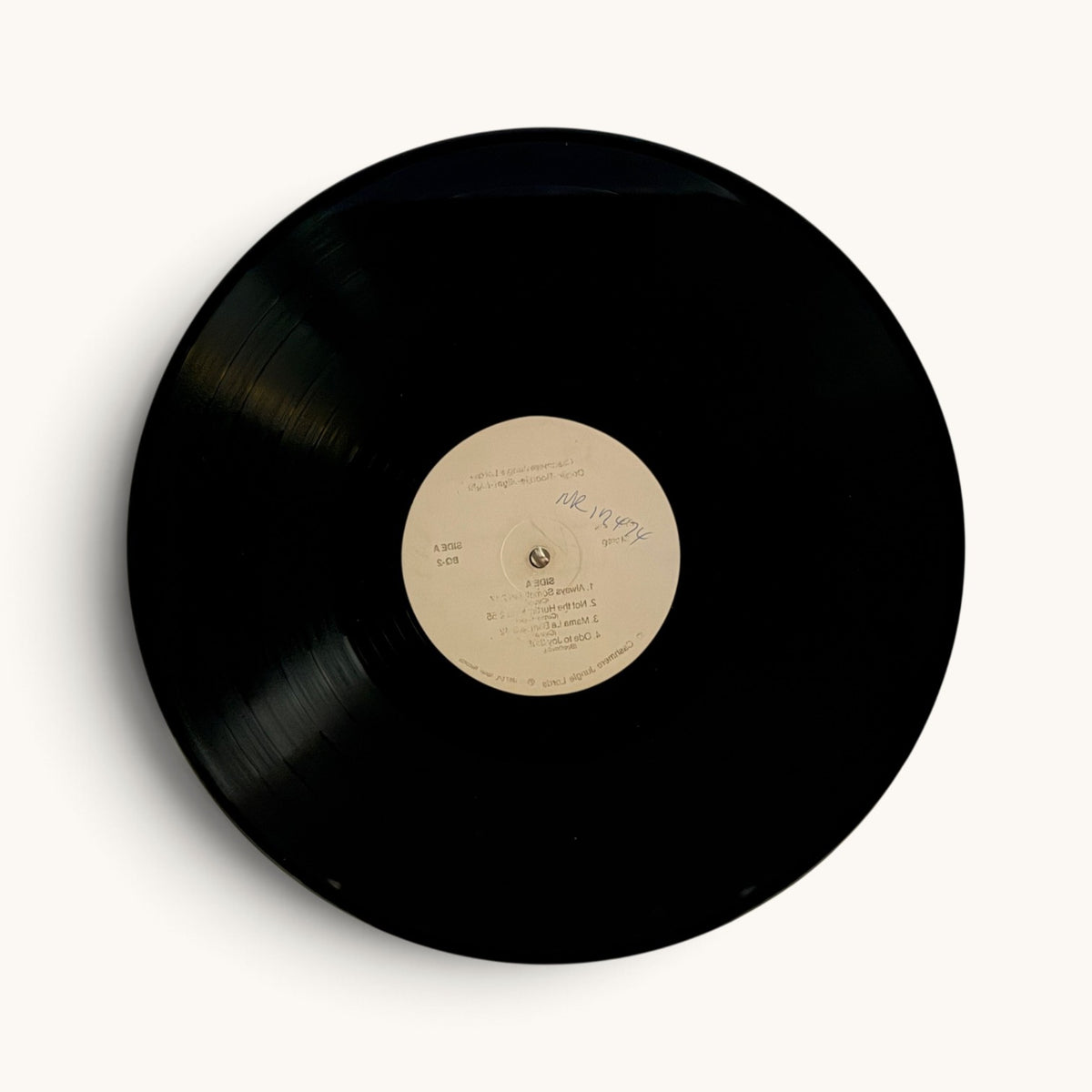
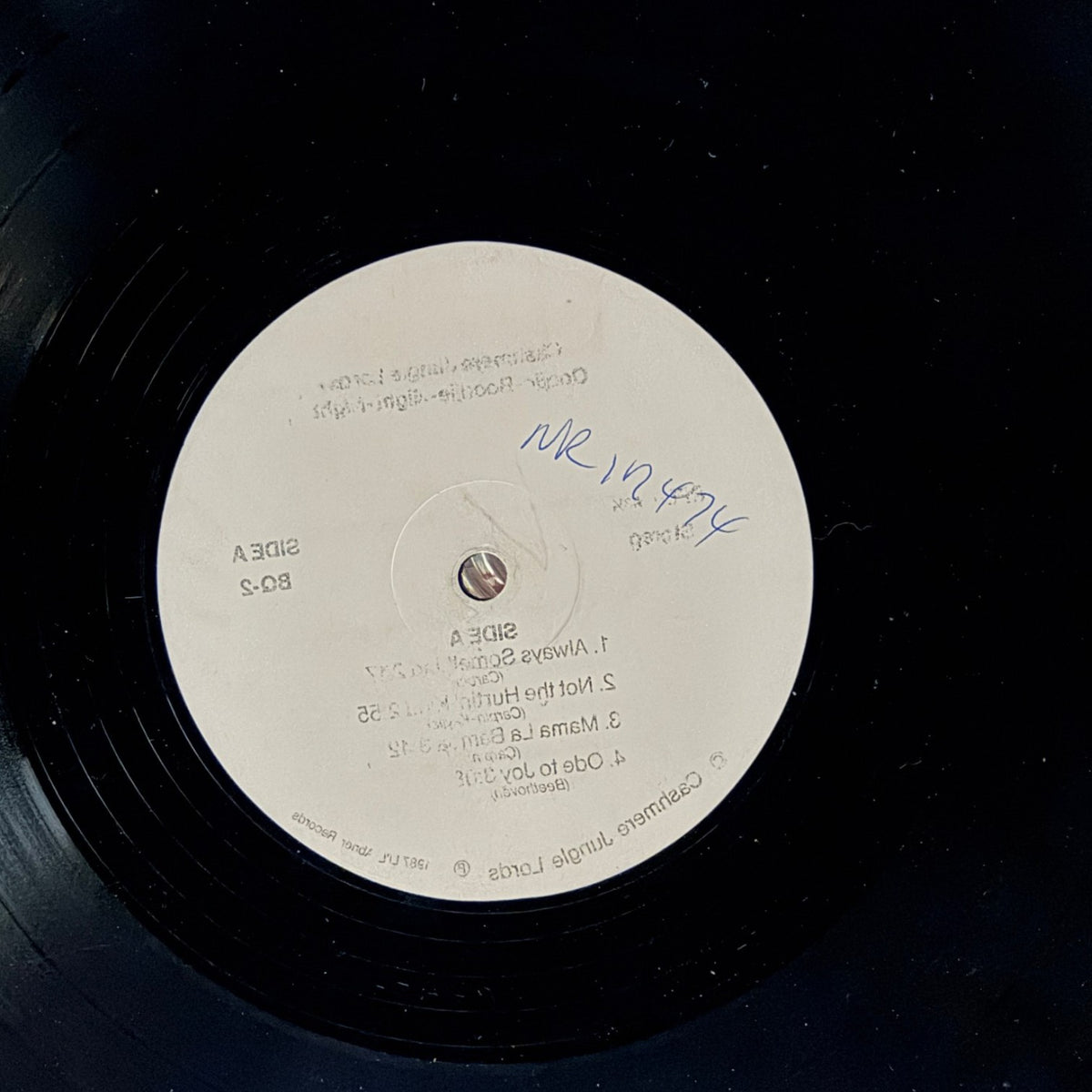
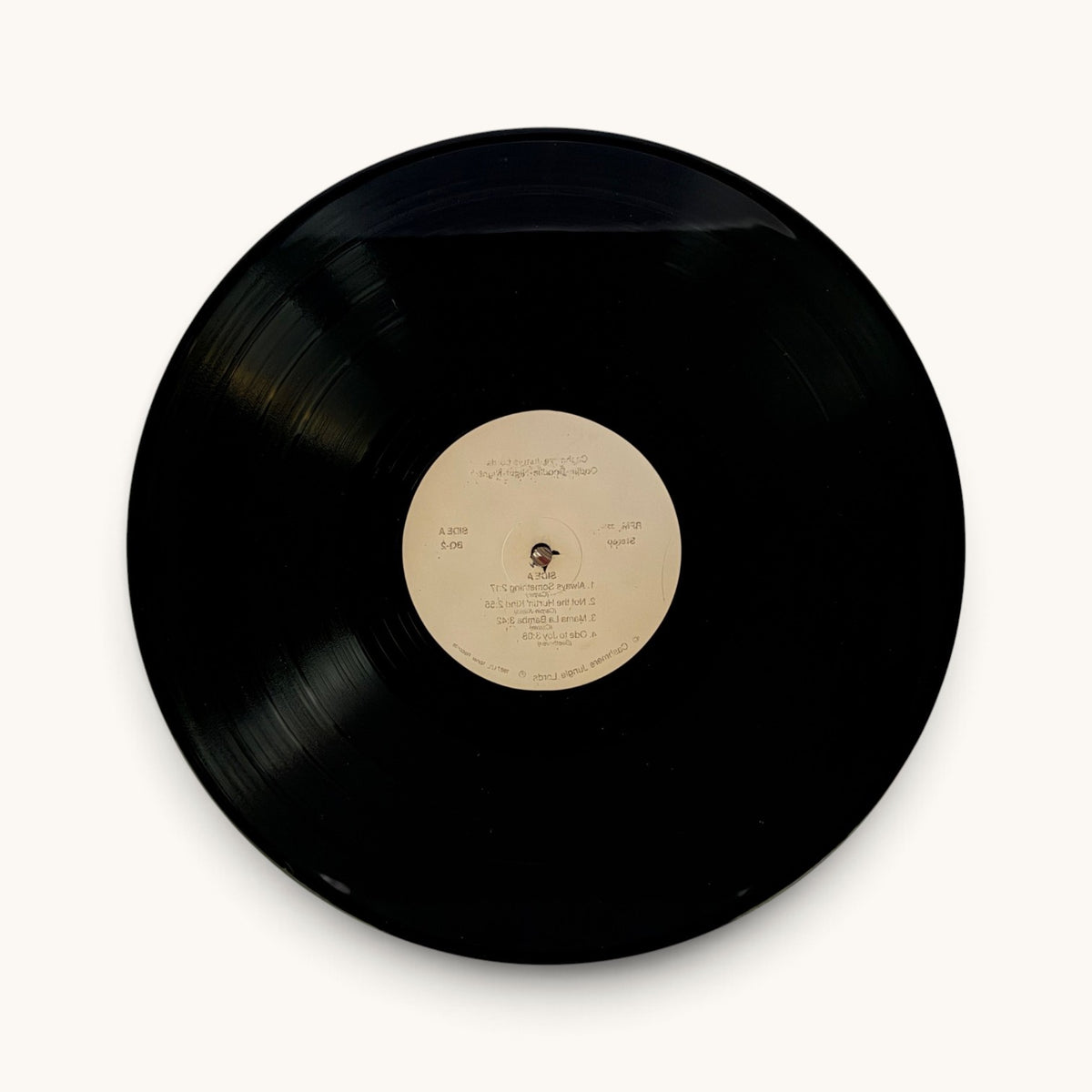
Hobo Jim - ‘Where Legends Are Born’ Test Pressing
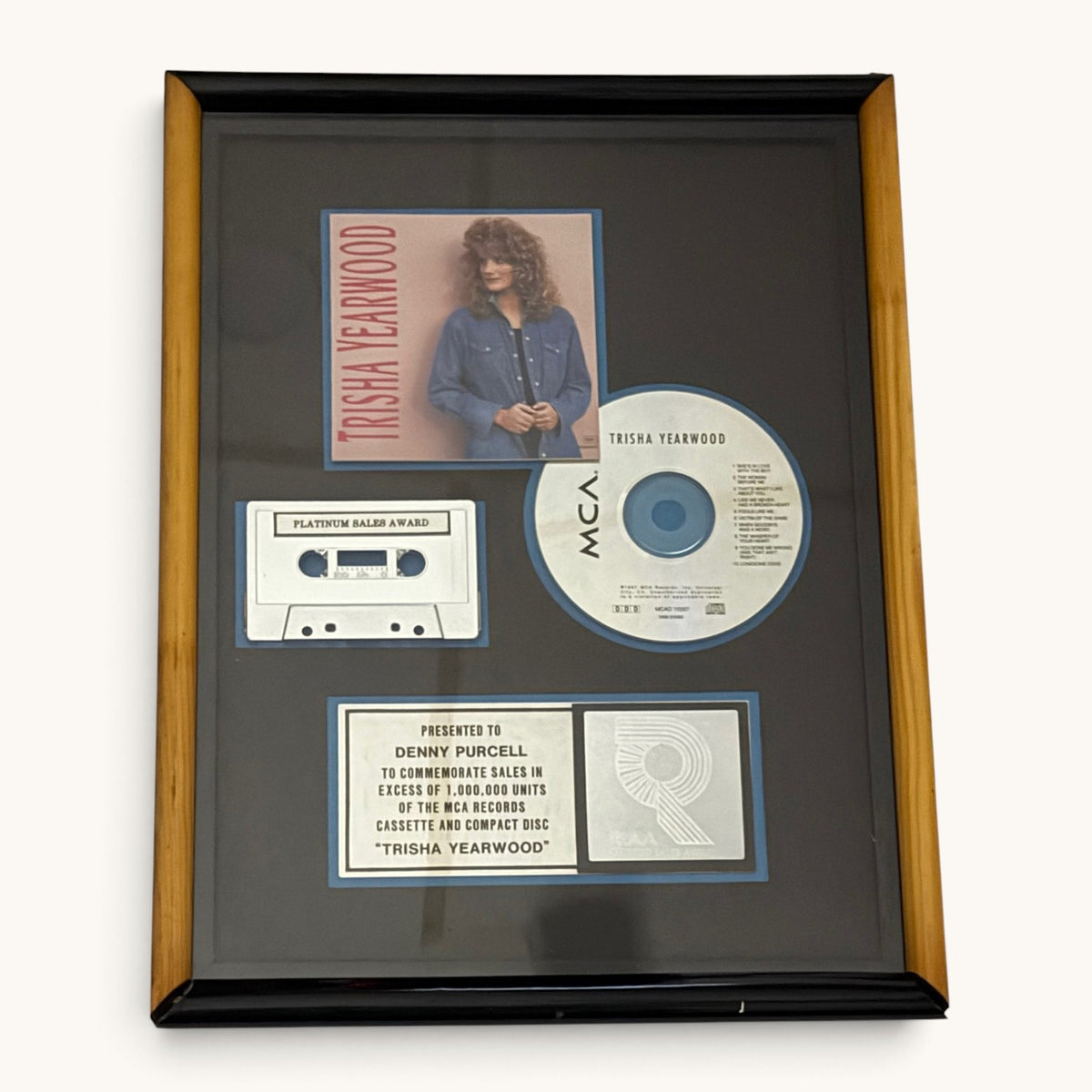
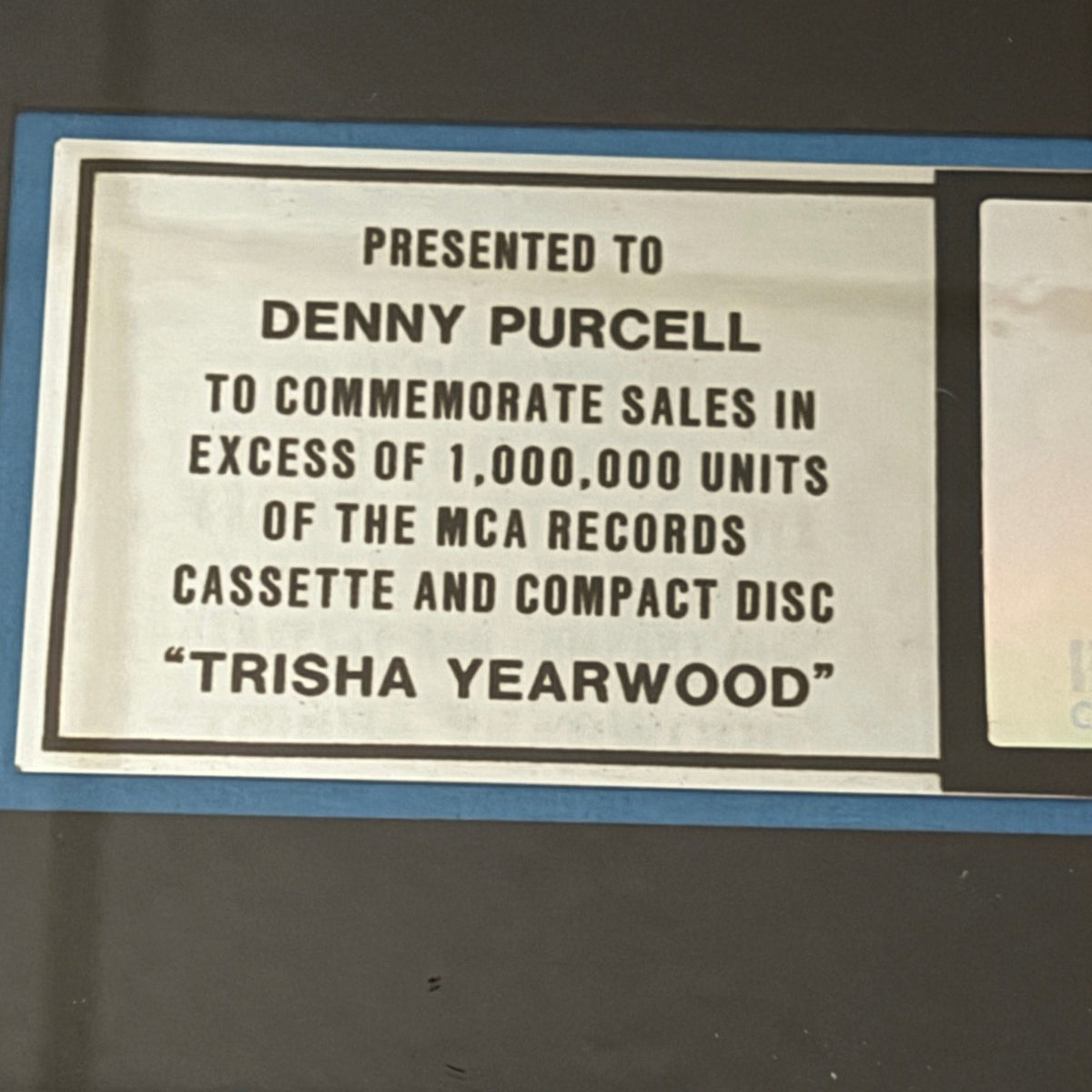
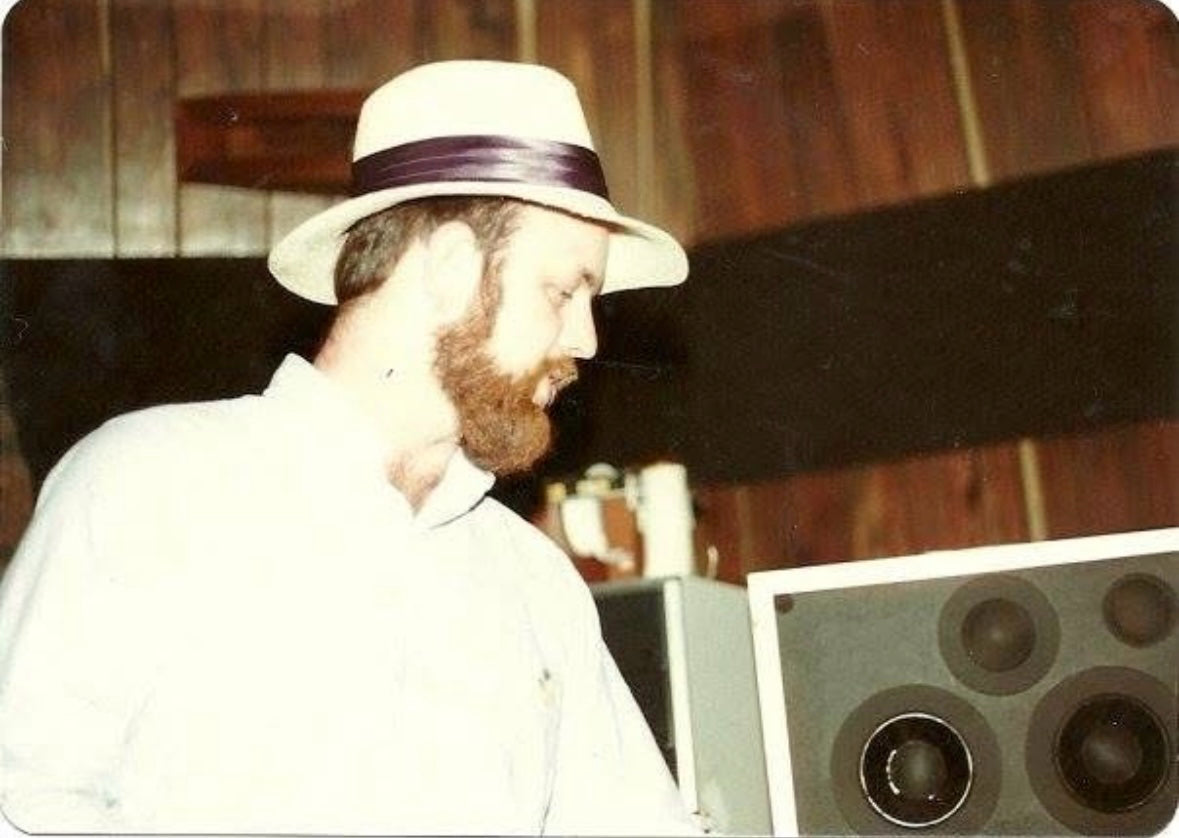
Denny Purcell was the king of mastering in the music business for four decades. In his Nashville-based studio, Georgetown Masters, he worked with everyone who’s anyone in country music and beyond. He was born in Richmond, Indiana, to a musical family—his grandfather, Willie Cecil Purcell, rose to radio fame playing a banjo made from a raccoon skin—and the music gene ran in Denny as well. Inspired by a Bob Dylan album, he set off to Nashville to pursue a career in the music business, where his technical abilities propelled him behind the console rather than in front of the mic. His love for music mixed with his passion for audio innovation proved to be a winning combination, and he became the go-to man for album mastering, earning the moniker “the Man with the Golden Ears.”
His nephew Brady Purcell and brother Ron Purcell, who both worked at Georgetown Masters and who are auctioning some incredible items from the studio in this collection, talked to Wax Poetics about Denny, who passed away in 2002, and his work. Their stories and memories paint the picture of an incredibly driven and prolific perfectionist with an astonishing output of mastered material, who loved to unwind by fishing and indulging his famously bad sense of humor.
How did Denny get started in the music business?
Ron: Denny graduated in 1969 from high school. He’d been in a couple bands. He loved music. Denny loved Bob Dylan, so he decided that he was going to try to get in the music business in Nashville because of [Dylan’s album] Nashville Skyline. So, he went to electronics school in Dayton, Ohio, and he learned to build his own equipment—amplifiers, stereos—and moved to Nashville. At first, he had an ice cream truck and drove around and sold ice cream. Then he got a job cleaning carpets and drapes at Quadrafonic Sound Studios. Gene Eichelberger was the engineer there, and he was making a board for the studio at this time. And brother Denny, who was always outspoken, walked by, and he told Gene, “That’s a cold solder joint.” And Gene Eichelberger said, “Can you do better?” And then he said, “Yeah. I can.” So that was his start in the music business. Like everything else, you gotta be in the right place at the right time.
Brady: After that, they built His Master’s Wheels in the trailer of a semi at Quadrafonic, which was the first mobile recording studio, so they could record Neil Young live in ’72 or ’73.
Ron: It was a play on the old RCA “His Master’s Voice.” They traveled for seven months and ended up with an album, Time Fades Away. Later in his career, [Denny] and his daughter actually lived in Redwood on the ranch with Neil Young.
When did Denny first begin to master albums?
Ron: Where he learned mastering was at Woodland Sound Studios, a very famous studio. Did a lot of wonderful, wonderful music, not just country.
Brady: They did “Dust in the Wind” by Kansas. Neil Young’s Comes a Time was done there, Charlie Daniels, everybody from the ’70s. It was just like the go-to place.
For those who are unclear about the difference between mixing and mastering, could you give a layman’s explanation?
Ron: I worked with Denny at Georgetown Masters. Denny told me when I was first learning about the business that at the studios, they record the music. They bake the cake, and they bring it to us, and we ice it. He had perfect pitch. He could hear anything. He could tell you what key, and so forth, which was a God-given talent.
Brady: They called him “the Man with the Golden Ears.” What a mainstream engineer does is, when they get it, it’s mixed. It’s flat. All the music is coming out of the same speakers at the same levels. It’s been mixed, so it’s where they want it. What [Denny] would do is put the vocals in the left channel, up a couple of decibels, the bass in the right, and he’s the one that determined and put the vocal in the left and the bass and the drums down a couple decibels or up. He’s the one that finished it. It was the last step in the process of recording.
And Denny also made lacquer recordings?
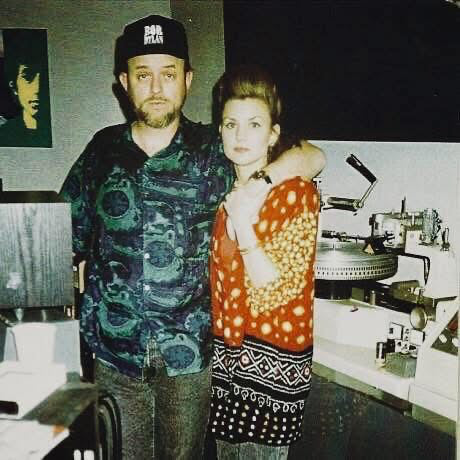
Brady: The lacquers are the master references that are direct from the soundboard, cut on a lathe, which looks like a very fancy turntable, but it has a cutter that actually cuts the grooves of the music that you happen to be playing from the board. A thread of lacquer comes off the record, and it’s sucked up into a jar. And, any deviation in cutting the lacquer, it can be cut too hot, which means it’ll skip. It can be cut too low, which means it’ll drag in the groove. And after you get approval of the lacquer you’ve cut, you can make a master lacquer, which is sent to a pressing plant.
Denny progressed to having his own studio. How did that come to life?
Brady: He became so great at mastering at Woodland but wasn’t making enough money. Norbert Putnam, who actually played bass for Elvis Presley and was in the Nashville scene, and a guy named Ron Bledsoe, who was the head of CBS Nashville Records at the time and a very wealthy man, were the ones who backed Denny, gave him the money to build his own studio the way he wanted, and it became Georgetown Masters in 1983 or 1984. And that’s how he got his own studio, his own mastering facility. They got [Billboard’s] Mastering Facility of the Year in 1998 out of everyone in the world. That means they did more rock, pop, Christian, more top hits than any other studio.
How did Nashville figure in the music scene?
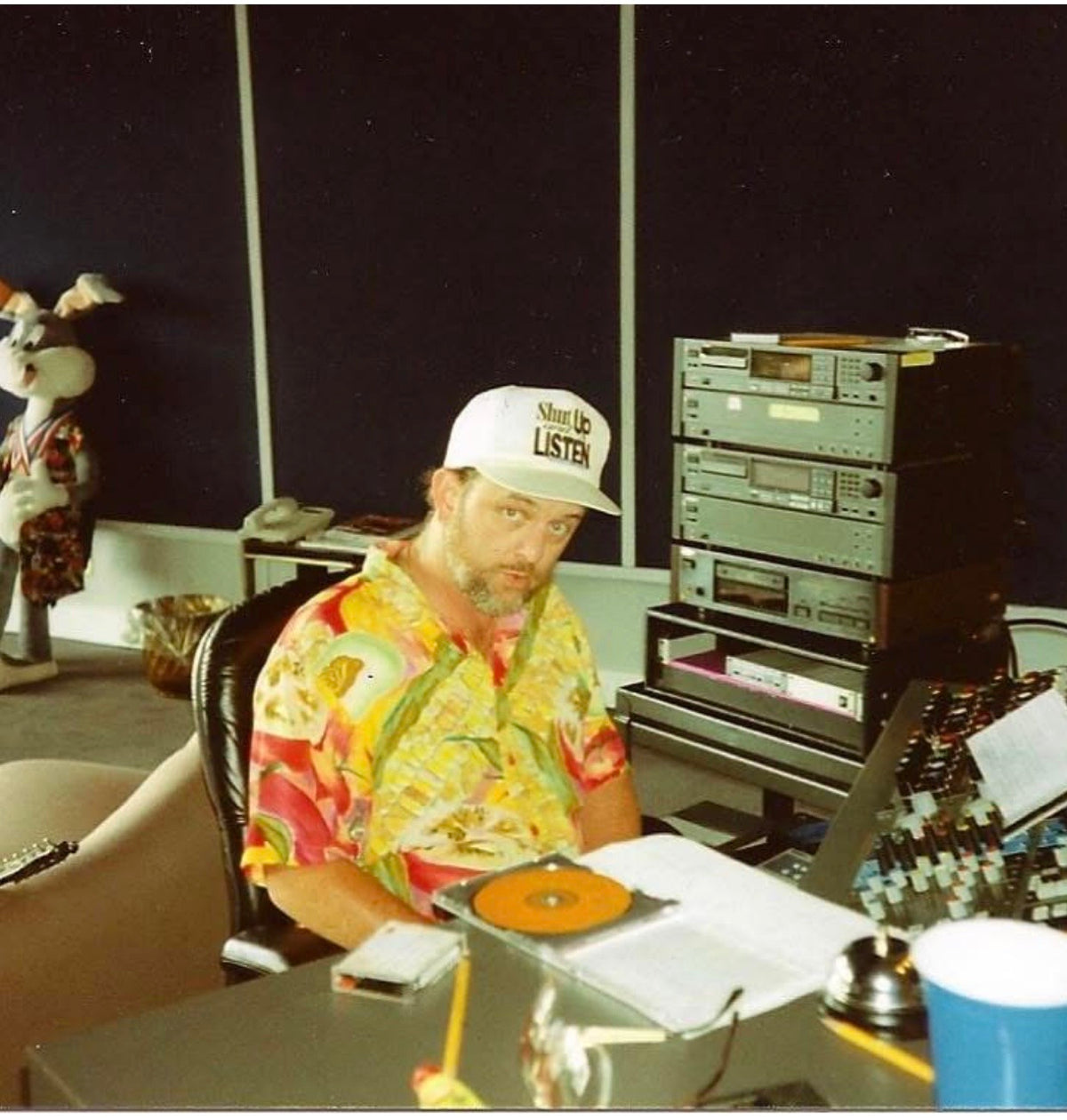
Ron: Nashville was the epicenter of the technical part of it because [Denny] was always on the cutting edge of technology. He had to have the best and the newest. He and [engineer] Rick McAllister would go through the Sony machines and make them sound the way they wanted them to sound, not so analytical but warm and nice, not critical and dry. They would literally take them apart and hot-rod them and put different transistors here, parts there. He always said, “I’m not a technoid,” but he was. It went from pure analog to where he got the first Sony CD burner in the digital editing room, and he was the only one in the world who had one. He had two Sony PCM-3348 recorders. They were $300,000 apiece, and he had two of them, and there were only five in the world.
Denny and Rick McAllister were fathers of the transfer from analog to digital. Rick McAllister, who was a technical genius, invented a thing called an F1. They used a Betamax recorder because it was digital. They would take the analog, run it through the F1, record it onto a magnetic tape as a Betamax for storage, and those were the first digital copies that were made. But Denny never really liked digital. He said in the future that everyone would have to settle for mediocrity in music, because digital is only a representation of analog.
Who did he work with?
Ron: The Rolling Stones, he remastered some Zeppelin, he did everything. Everyone from Leonard Bernstein to Shel Silverstein.
Brady: Johnny Cash, Merle Haggard, Willie Nelson, Dolly Parton. What was the joke he told to Dolly Parton?
Ron: When they first met, they said hello, greeted each other, and he handed her a recording, and he said, “I hope you like her.” It was a play on the word “lacquer,” because at the time, he was cutting a song called “He’s Alive.” She had a great sense of humor.
Brady: I ran into Béla Fleck and the Flecktones at a jazz festival one time, and when we were talking, Béla said, “Tell your uncle he still needs to work on his damn jokes!” He loved to tell jokes and laugh his ass off. They were terrible!
Which musicians did Denny enjoy listening to?
Ron: He liked Nanci Griffith. He liked listening to her, working with her. She’s a great singer-songwriter. He loved the acoustic guitar. John Prine, he’s like a Southern Bob Dylan, he’s got some wonderful songs.
How did Denny manage to be so prolific?
Ron: In the ’70s and into the ’80s, they would work twenty hours straight. Sometimes they would just lock the door until they got it perfectly perfect. It was a cutthroat business; sometimes they would send the tapes to different mastering houses at the same time and see who could get it done first and sound the best. He stayed very busy. He was booked all the time with stars; it was just amazing. But in his downtime, he’d fish and just talk and laugh and have fun. He just loved to fish. He would close the facility down for a half day, take everybody shopping at the local hardware store to buy knives and camping equipment, fishing poles. He was a great family man. He loved everyone. He had fun.
Brady: He was the man with the golden ears, but he also had a golden heart that loved his family above all else.
About the archive
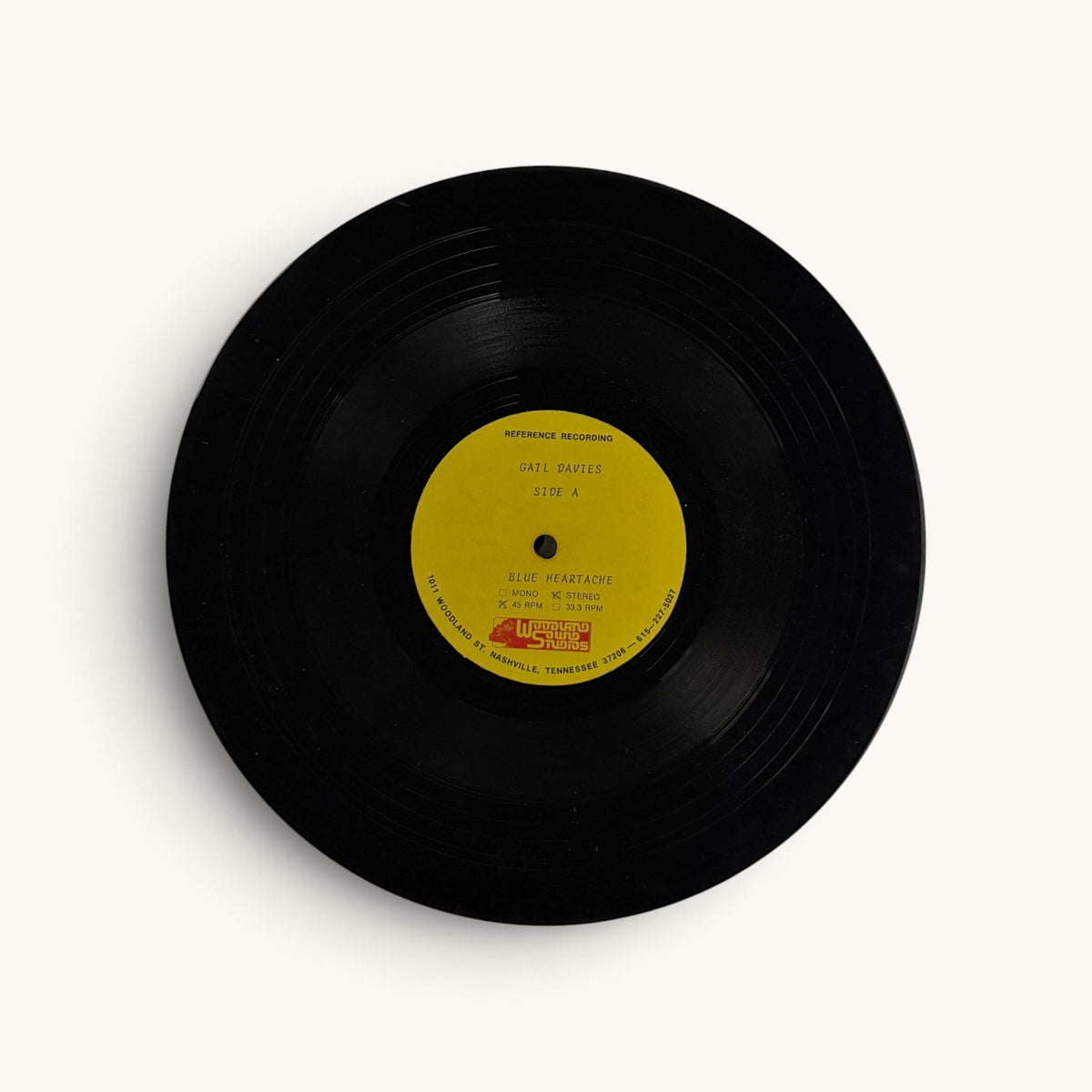
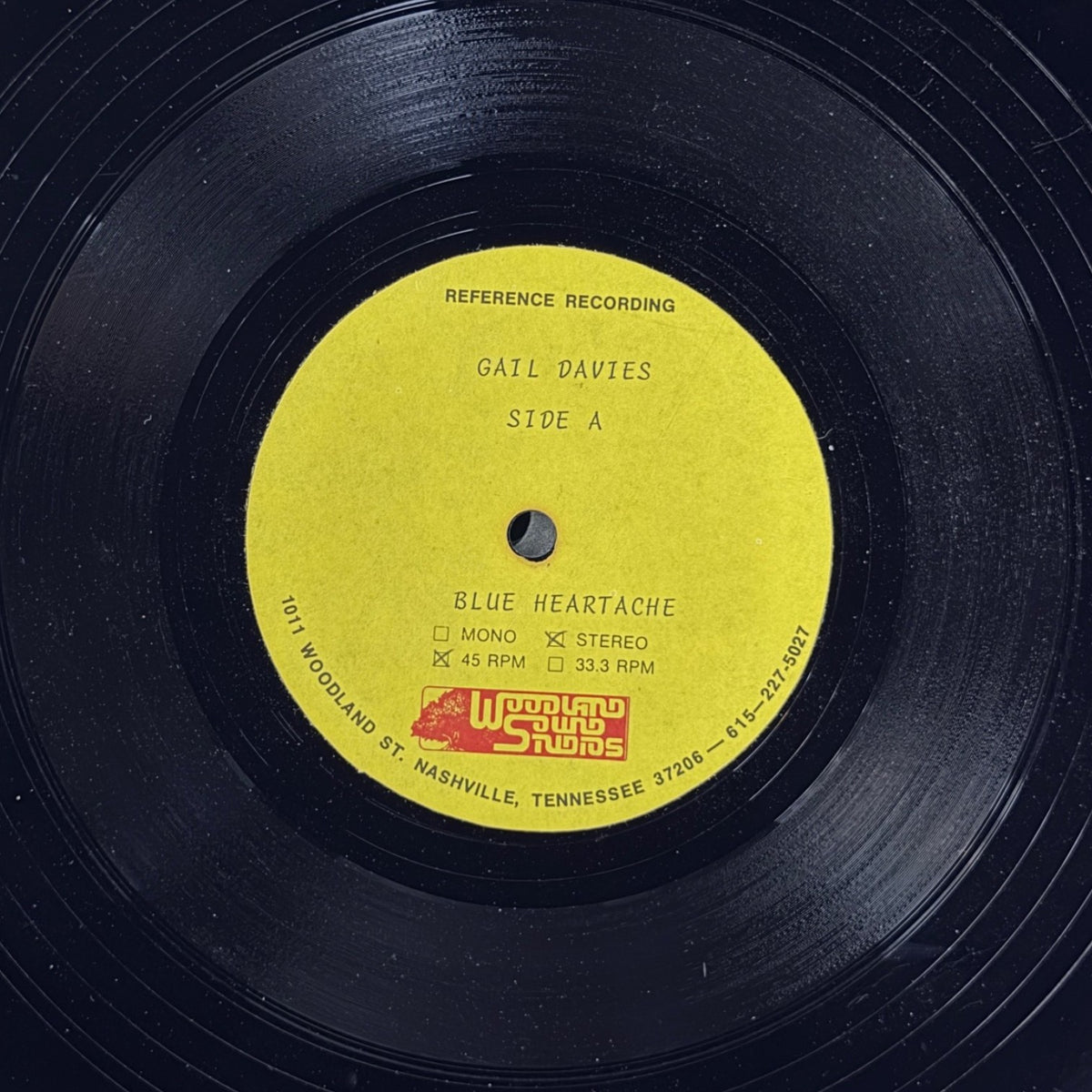
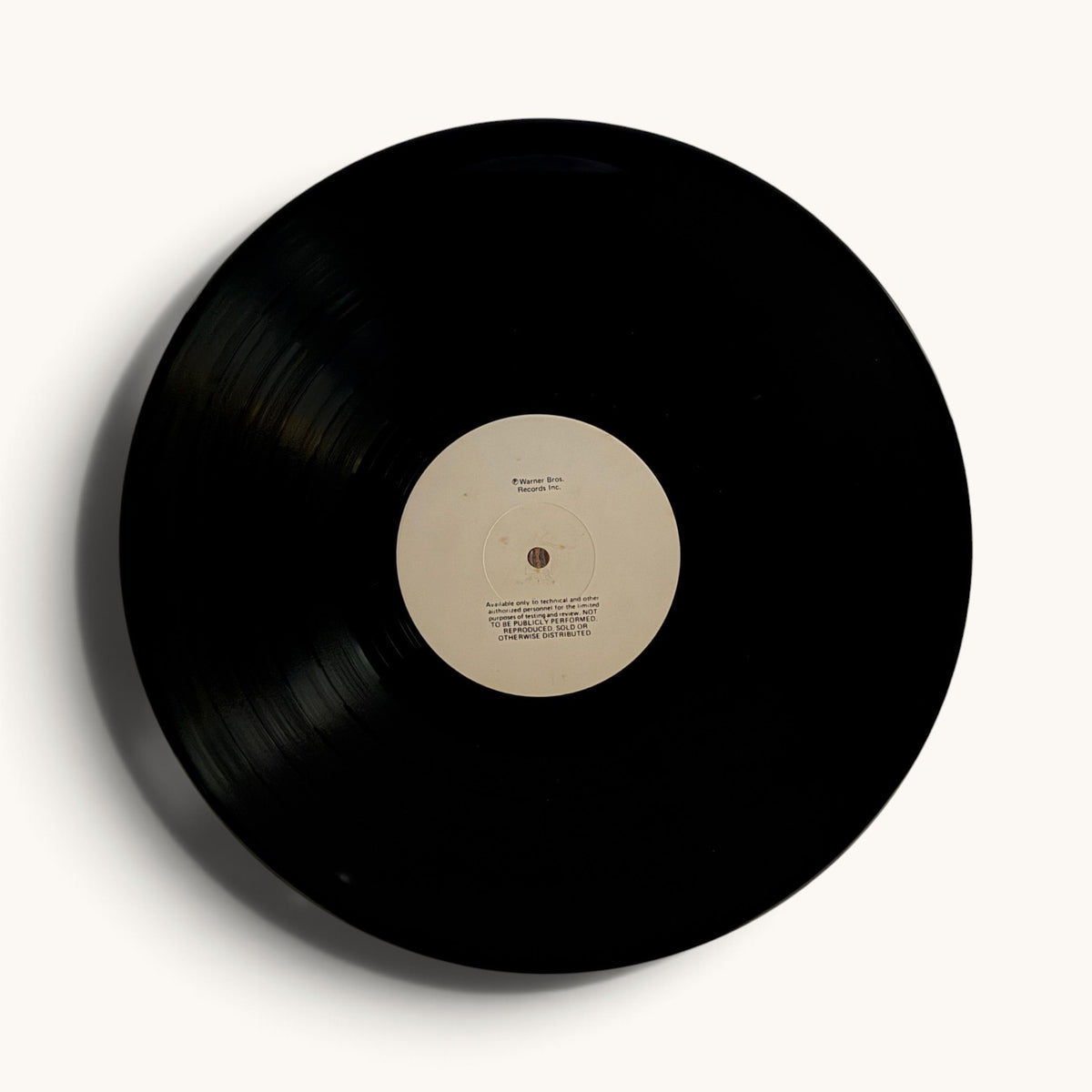
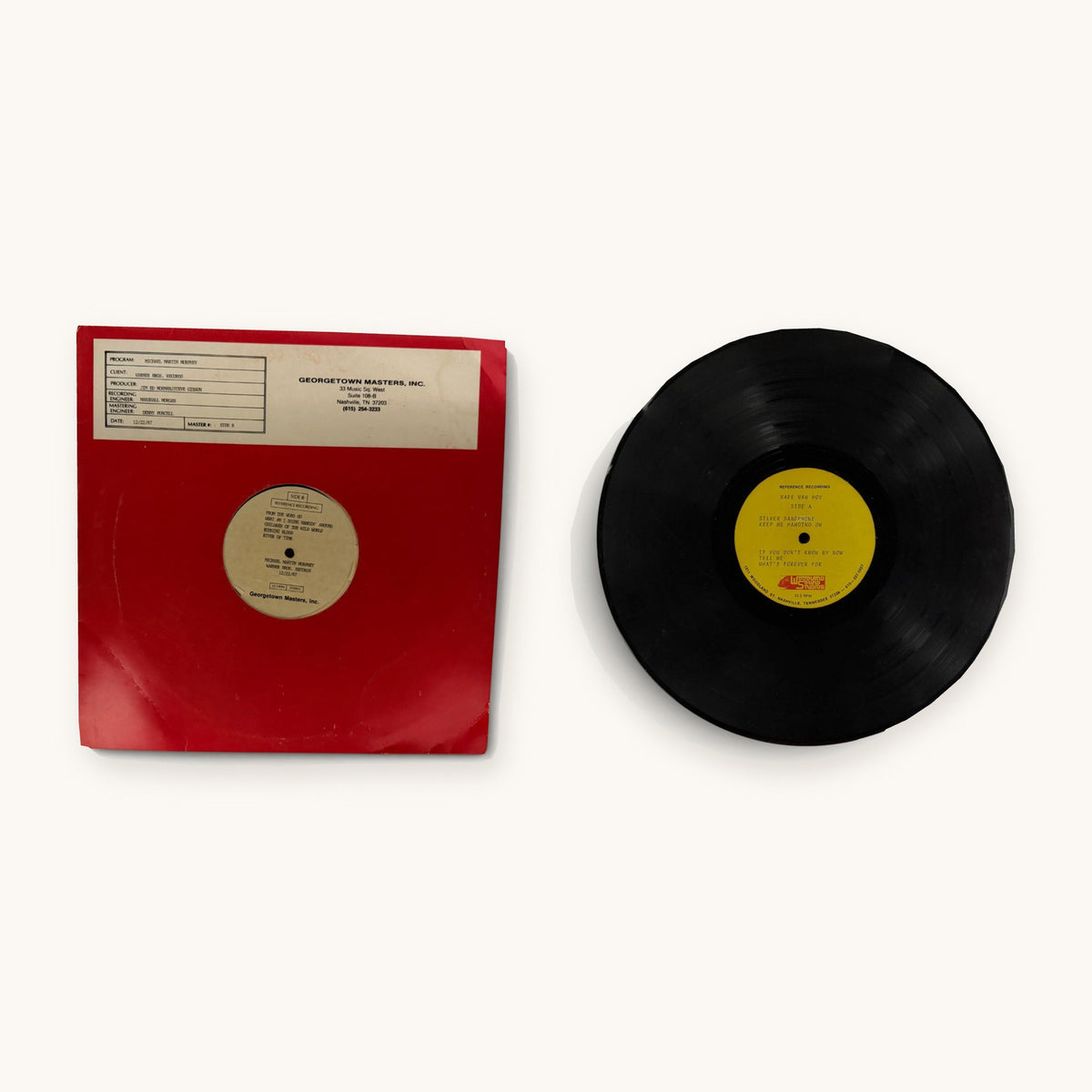
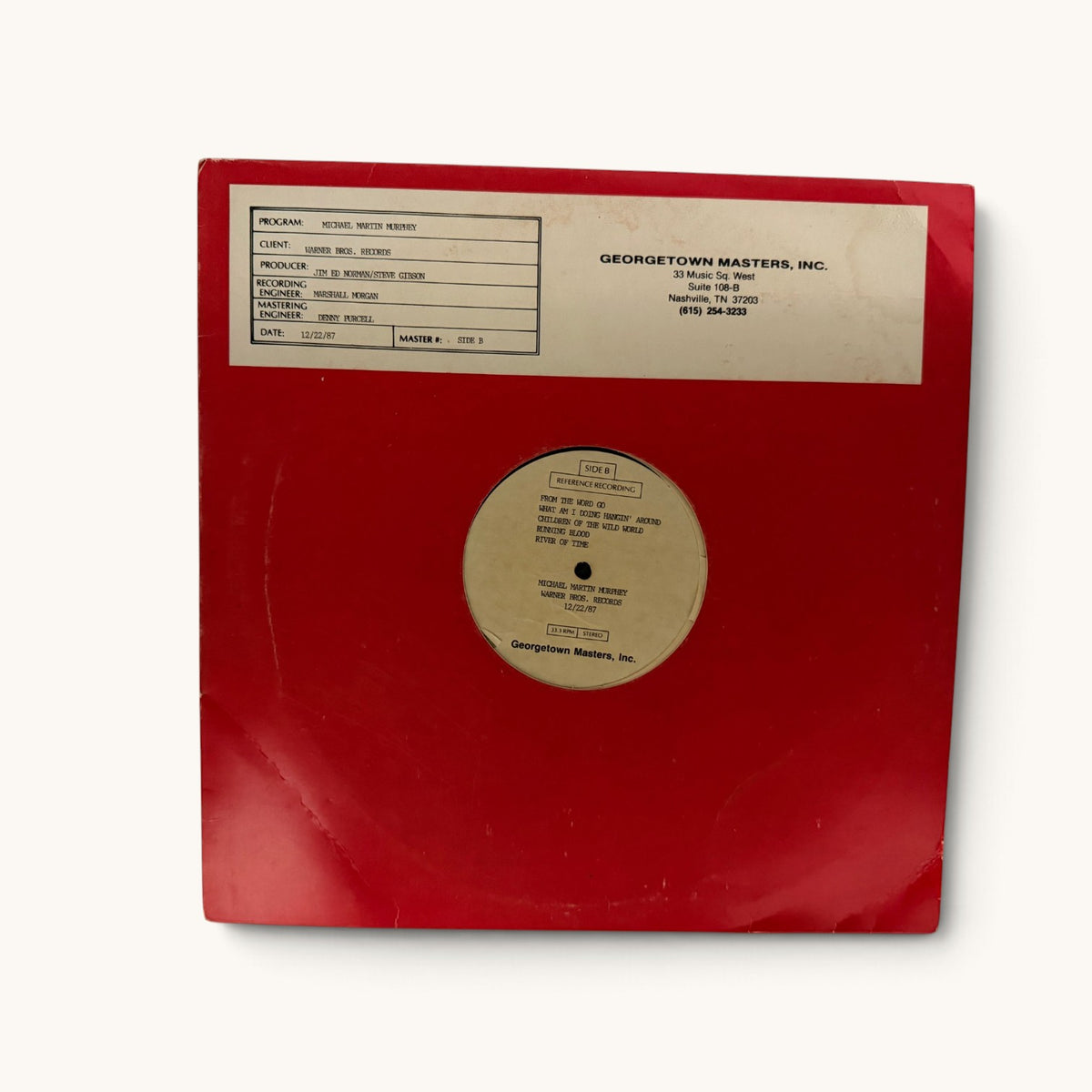
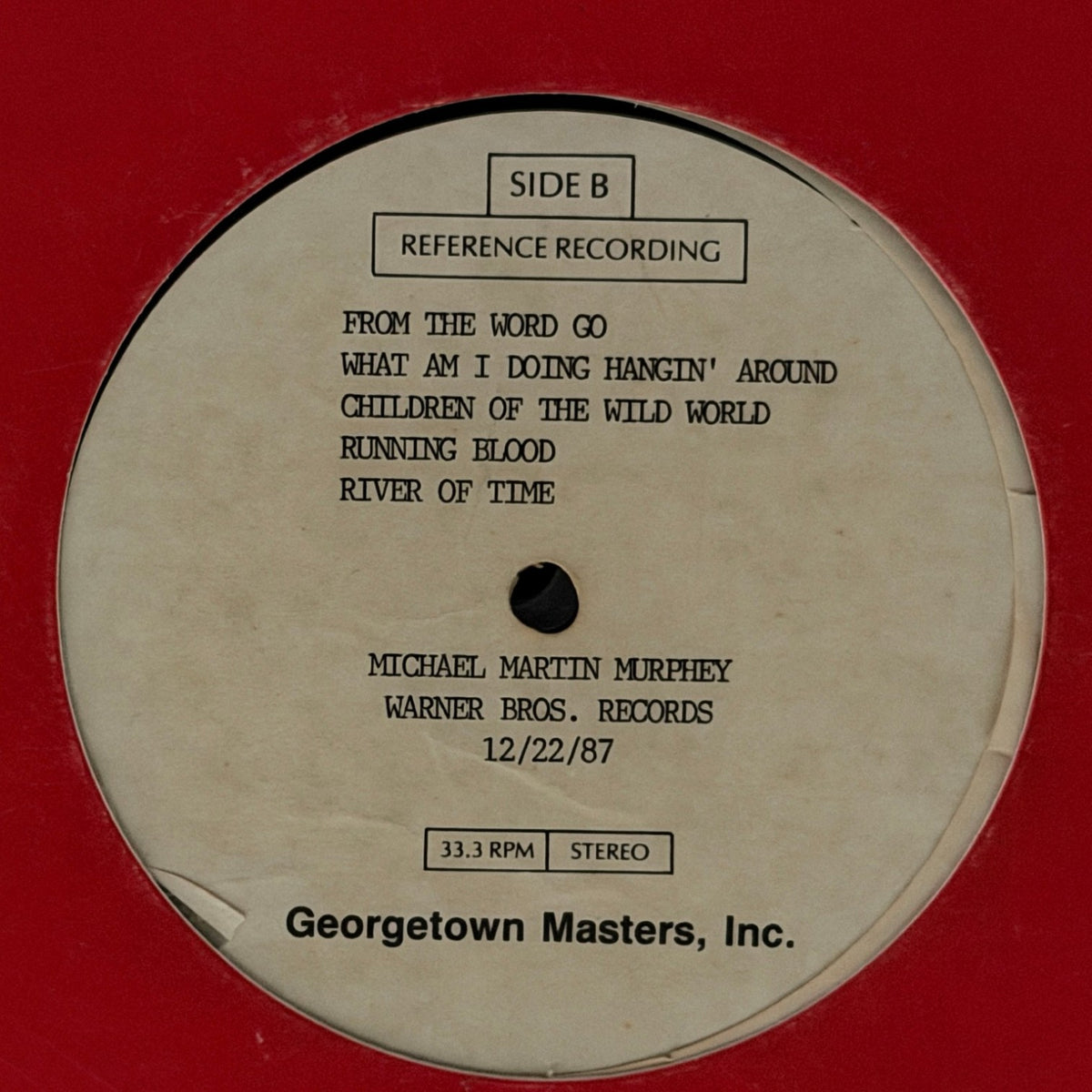
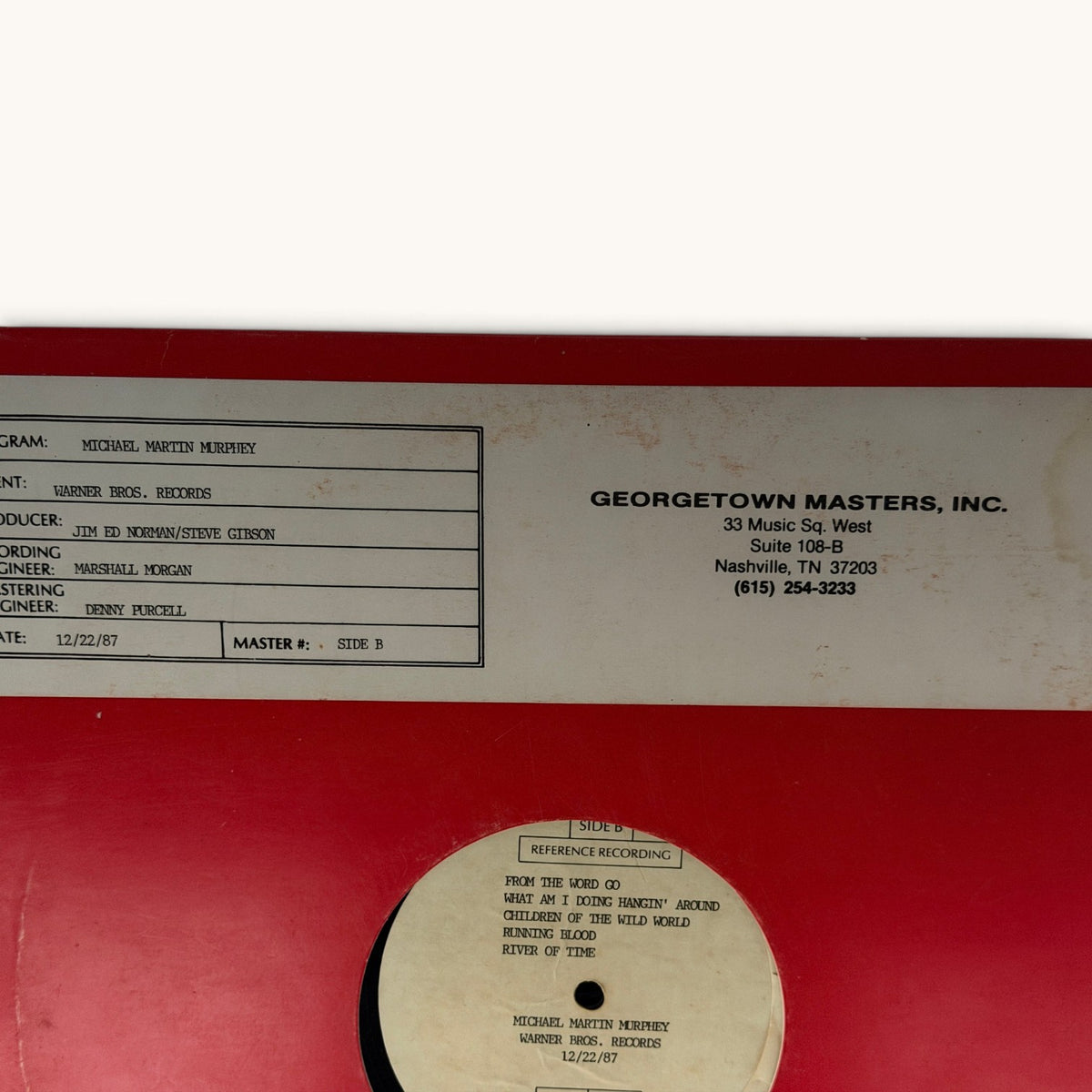
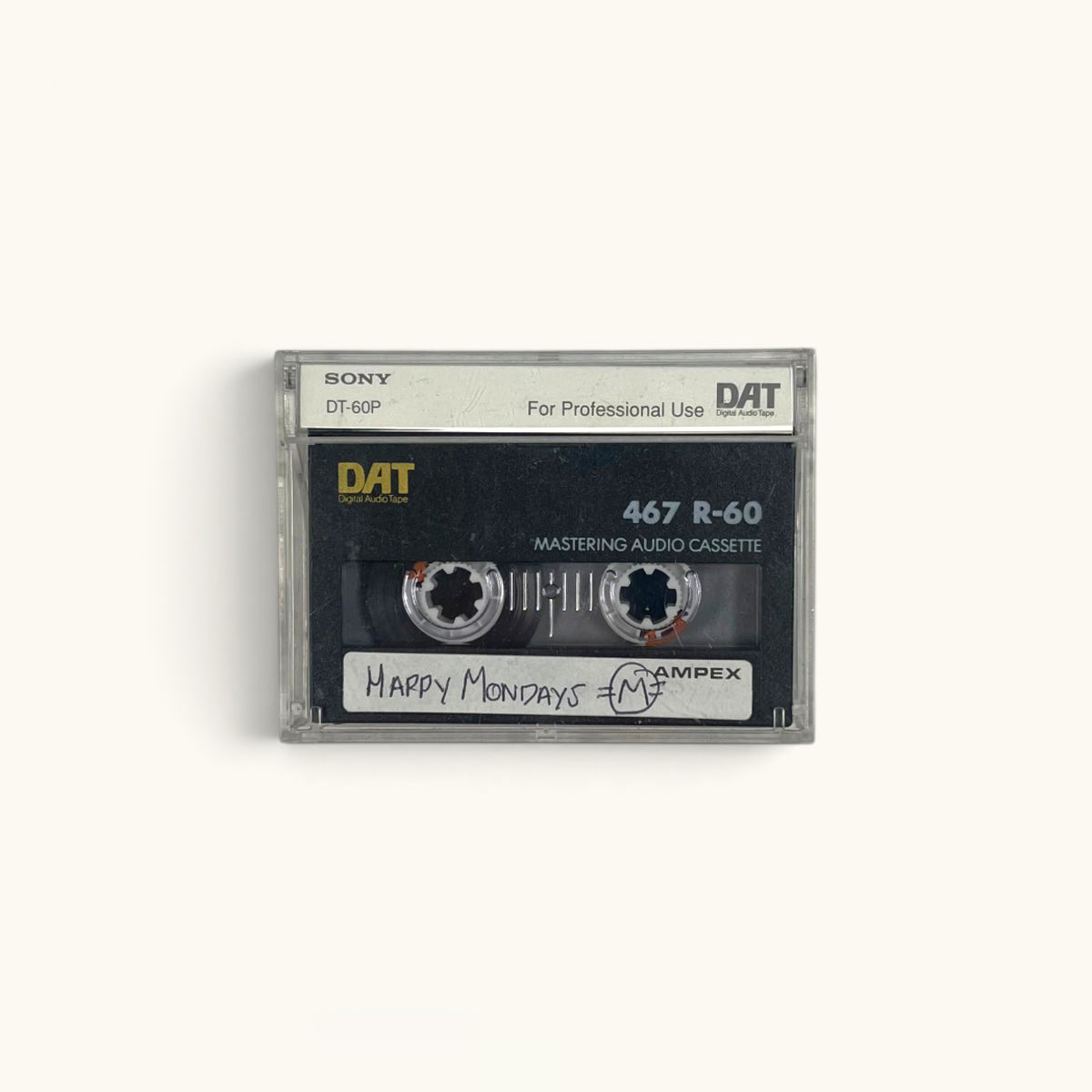
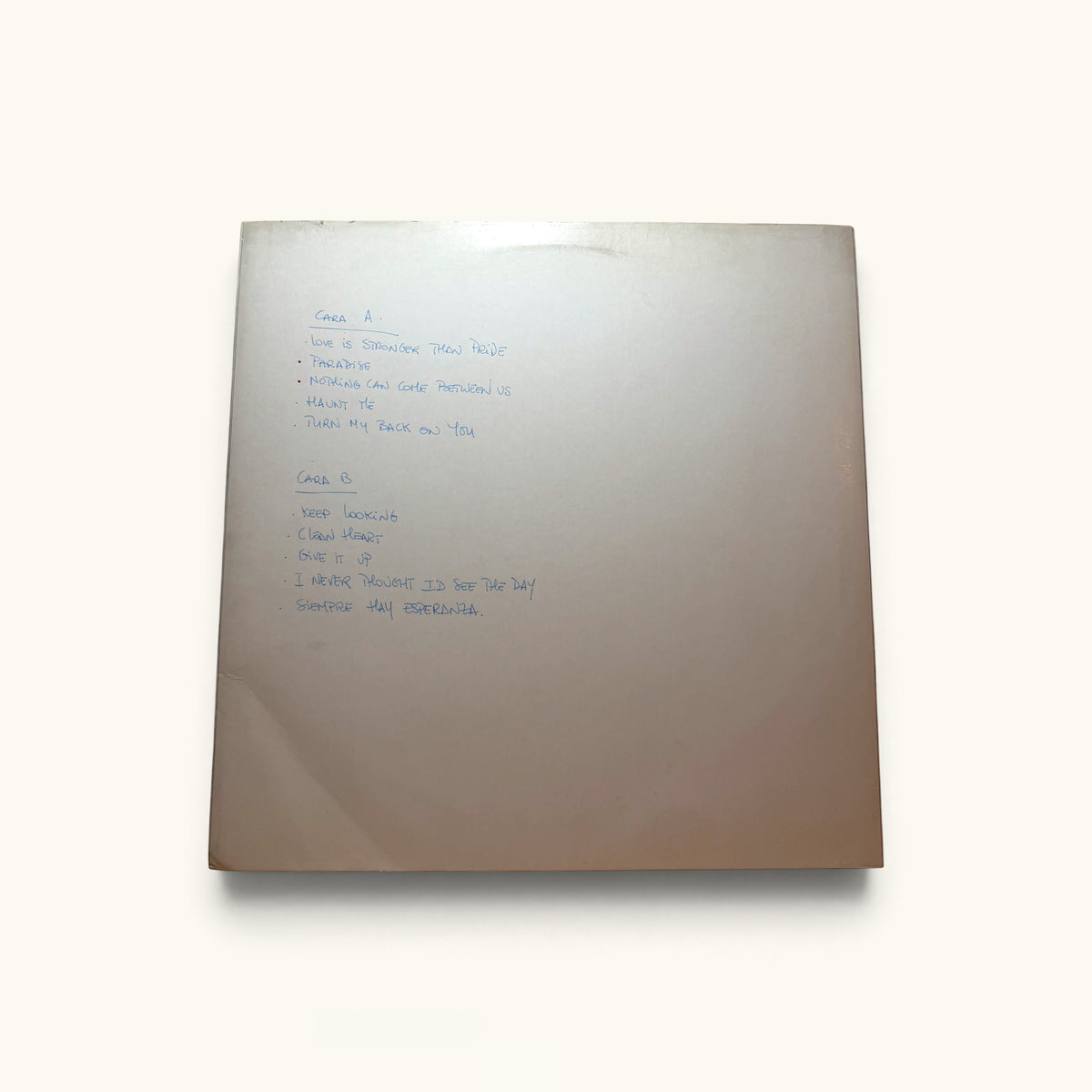
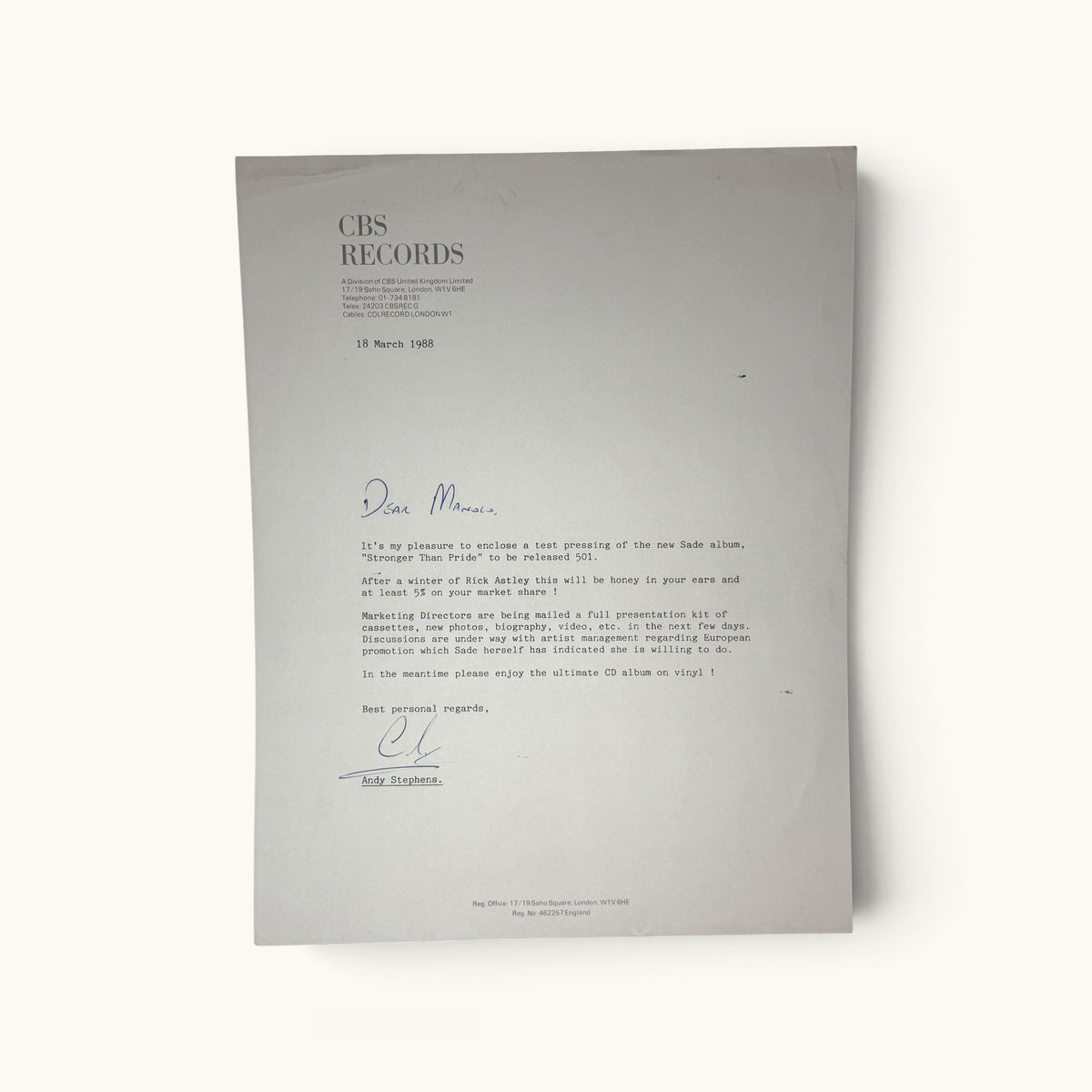
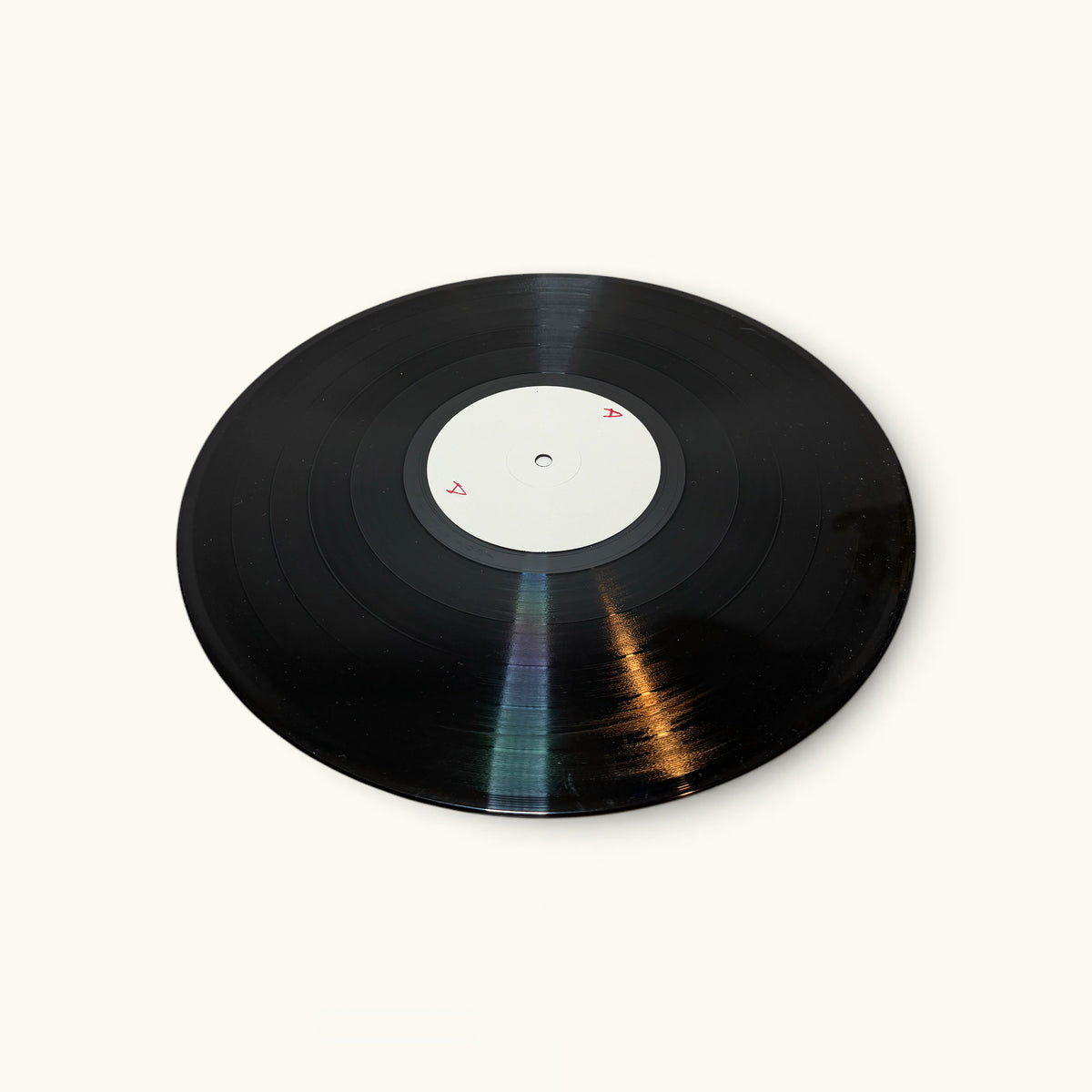
These are the working documents of the job: test cuts from Woodland Sound in the mid-’70s, Georgetown reference masters in their red sleeves, grease-pencil verdicts, white-out corrections, and Ron Purcell’s handwriting across the labels. Most were made to be played once and thrown away. They survived because Denny kept them, and they are consigned by his nephew, Brady Purcell, who worked alongside him from 1987 to 1992.
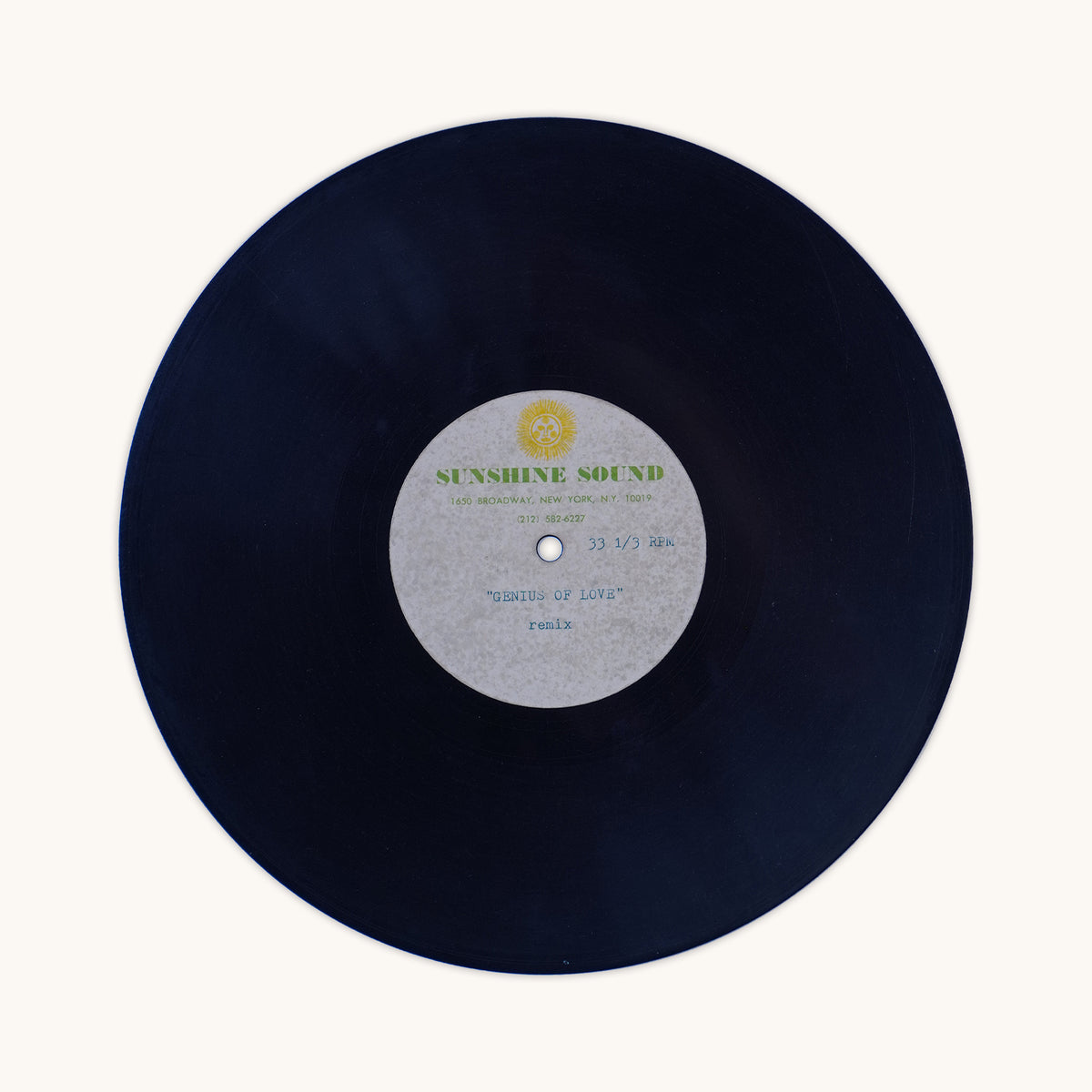
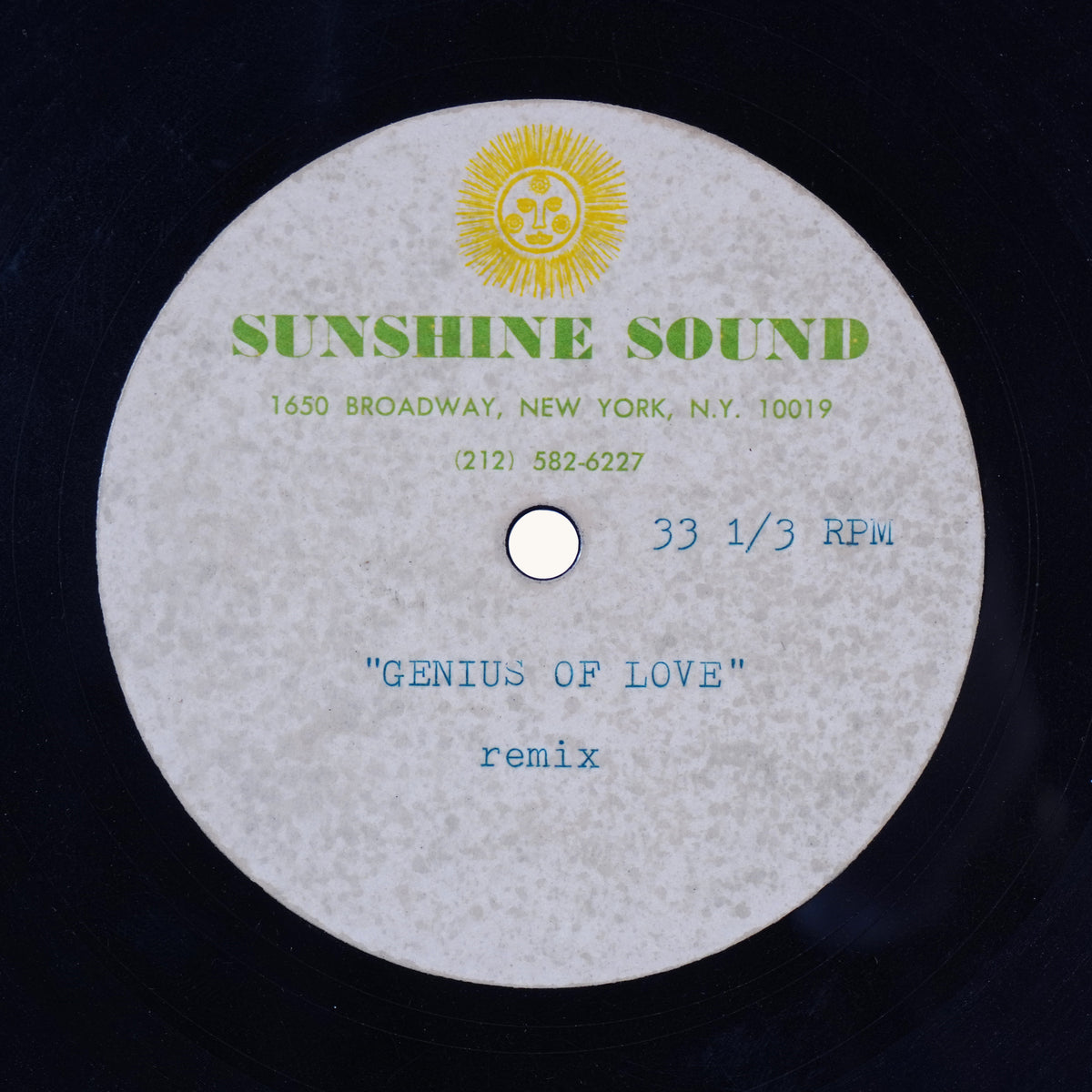
Tom Tom Club - ‘Genius of Love’ Remix, Sunshine Sound Acetate (New York, c.1981)
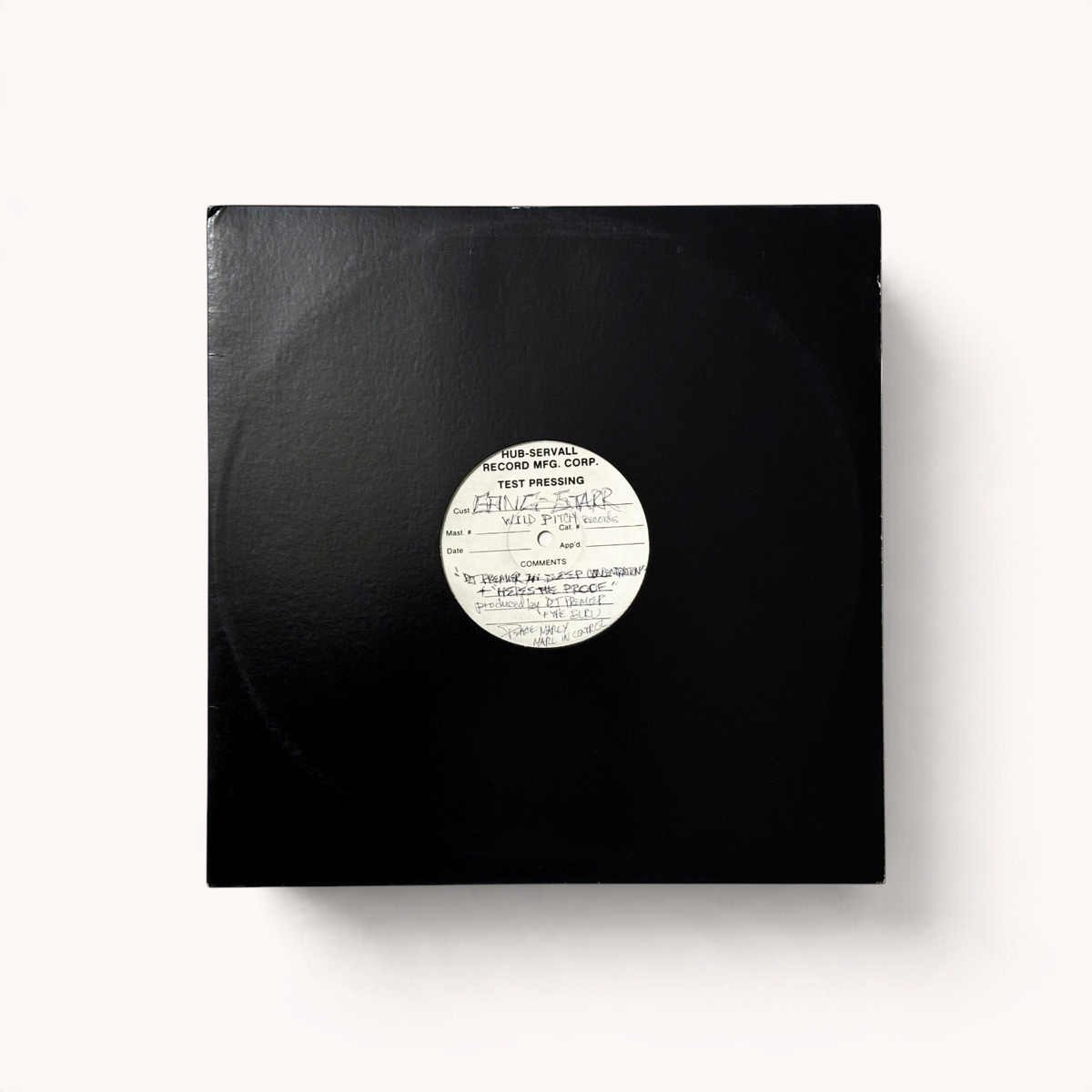

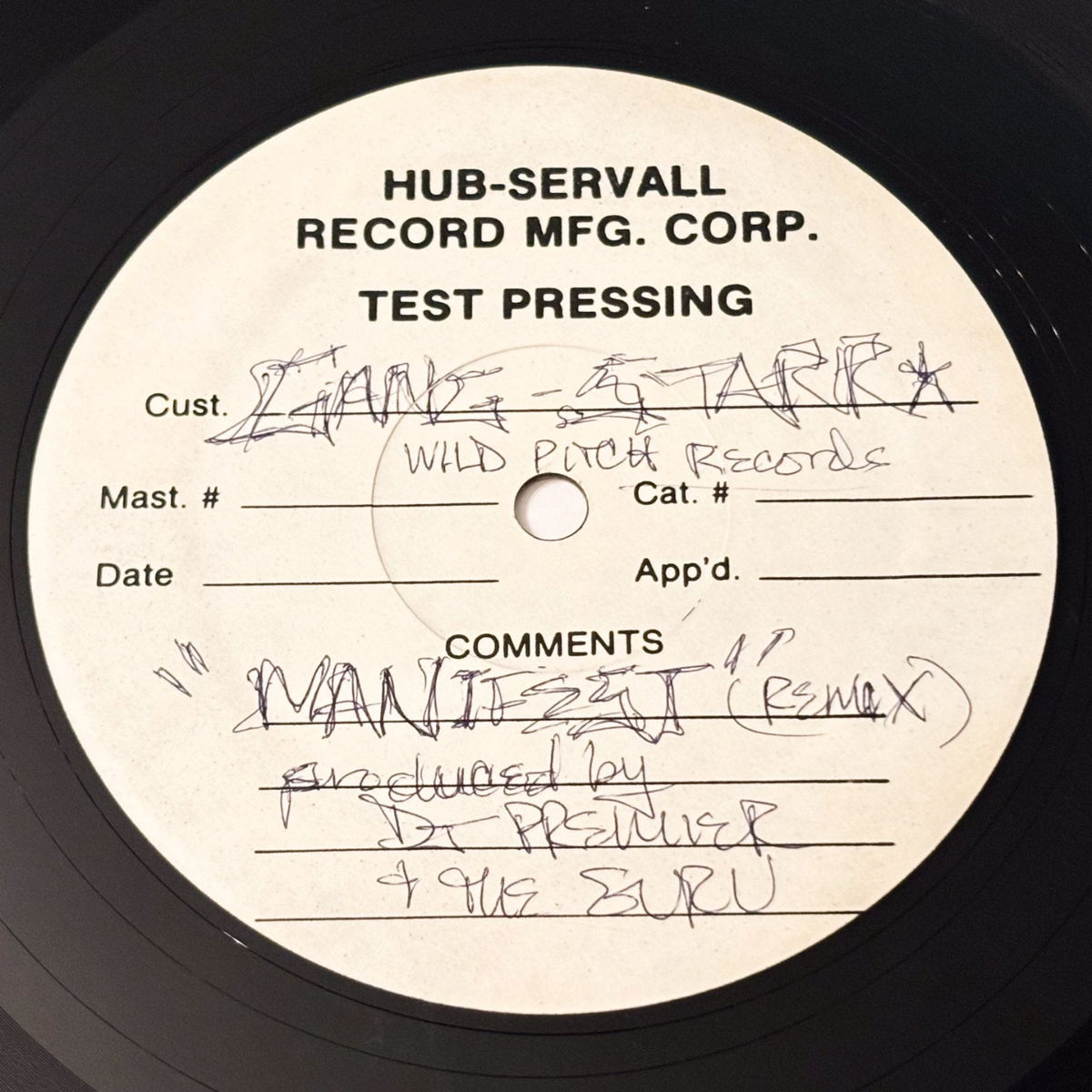

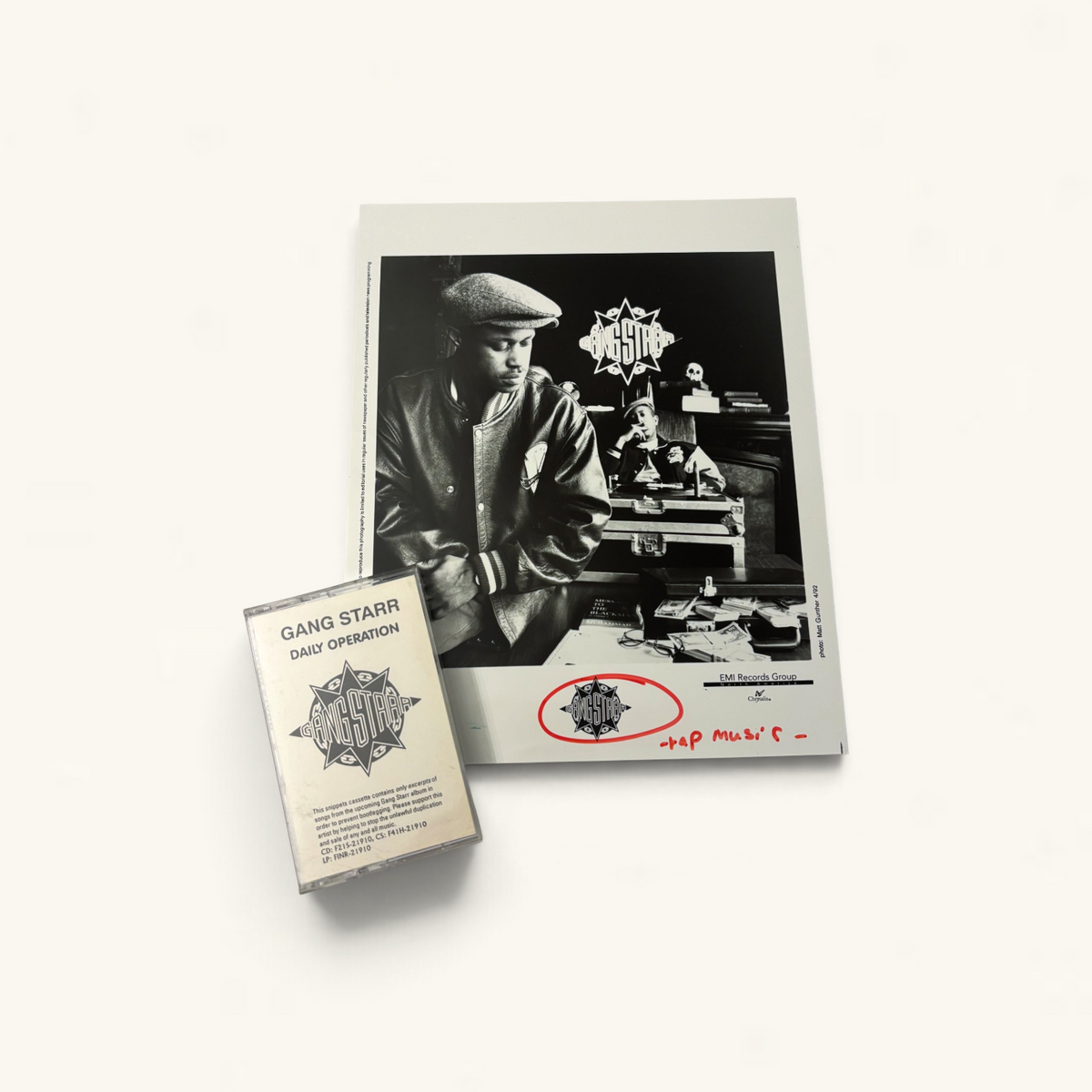
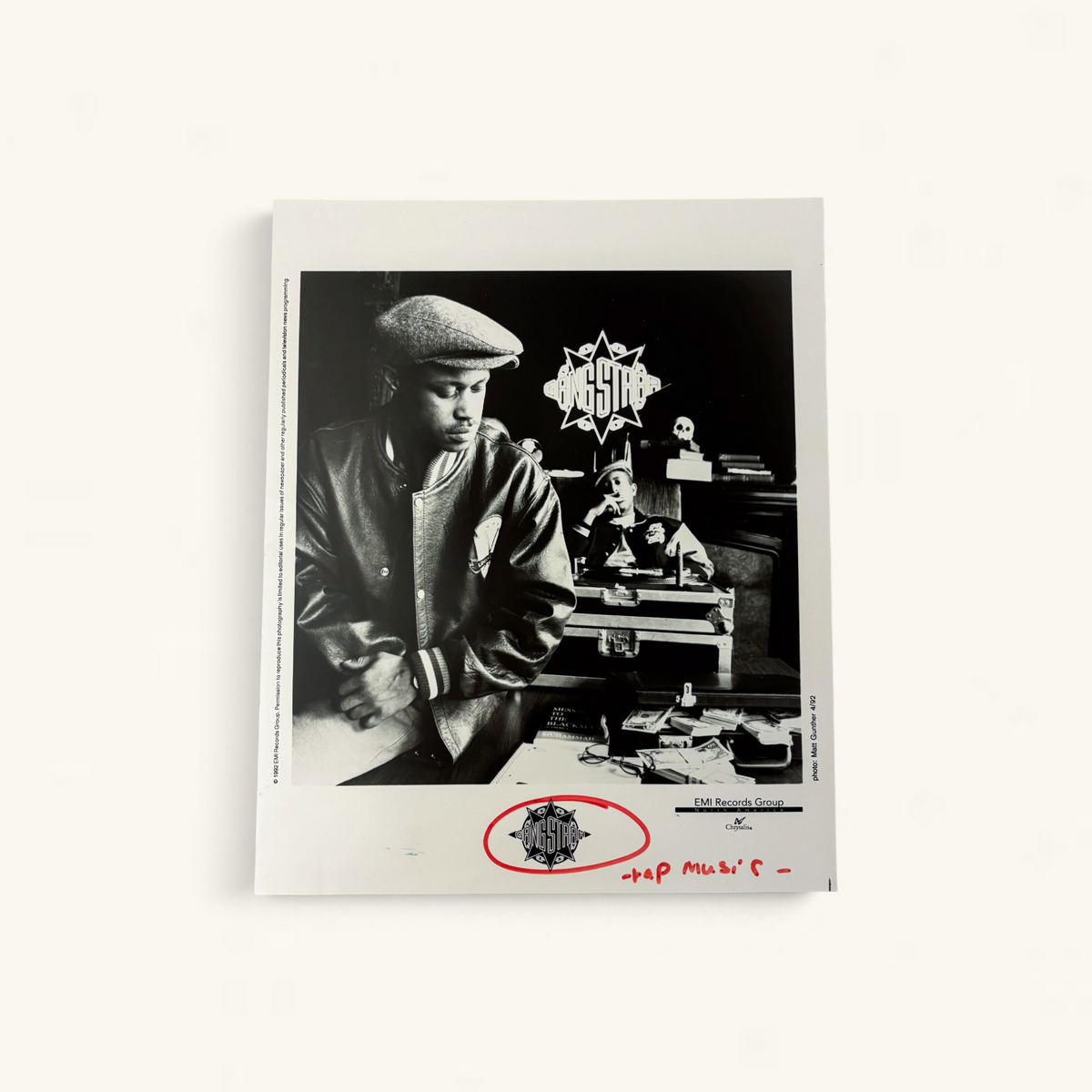

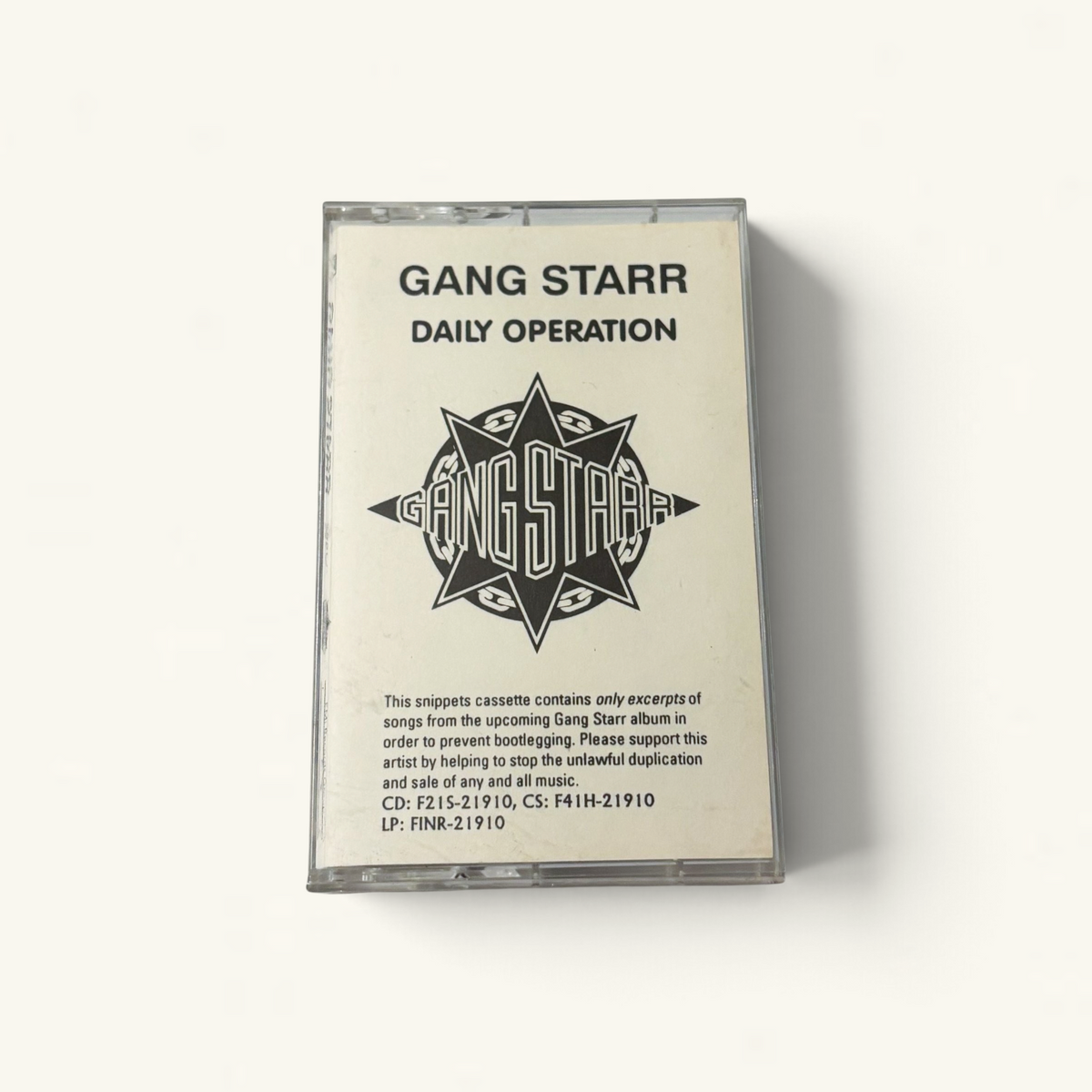
Gang Starr - ‘Daily Operation’ Press Kit Photo and Cassette