


HIGHLIGHT: SIGNED SP-1200
Used on records with Pharoah Monch, Mos Def, Eminem, Polyrhythm Addicts, and Jigmastas & more...
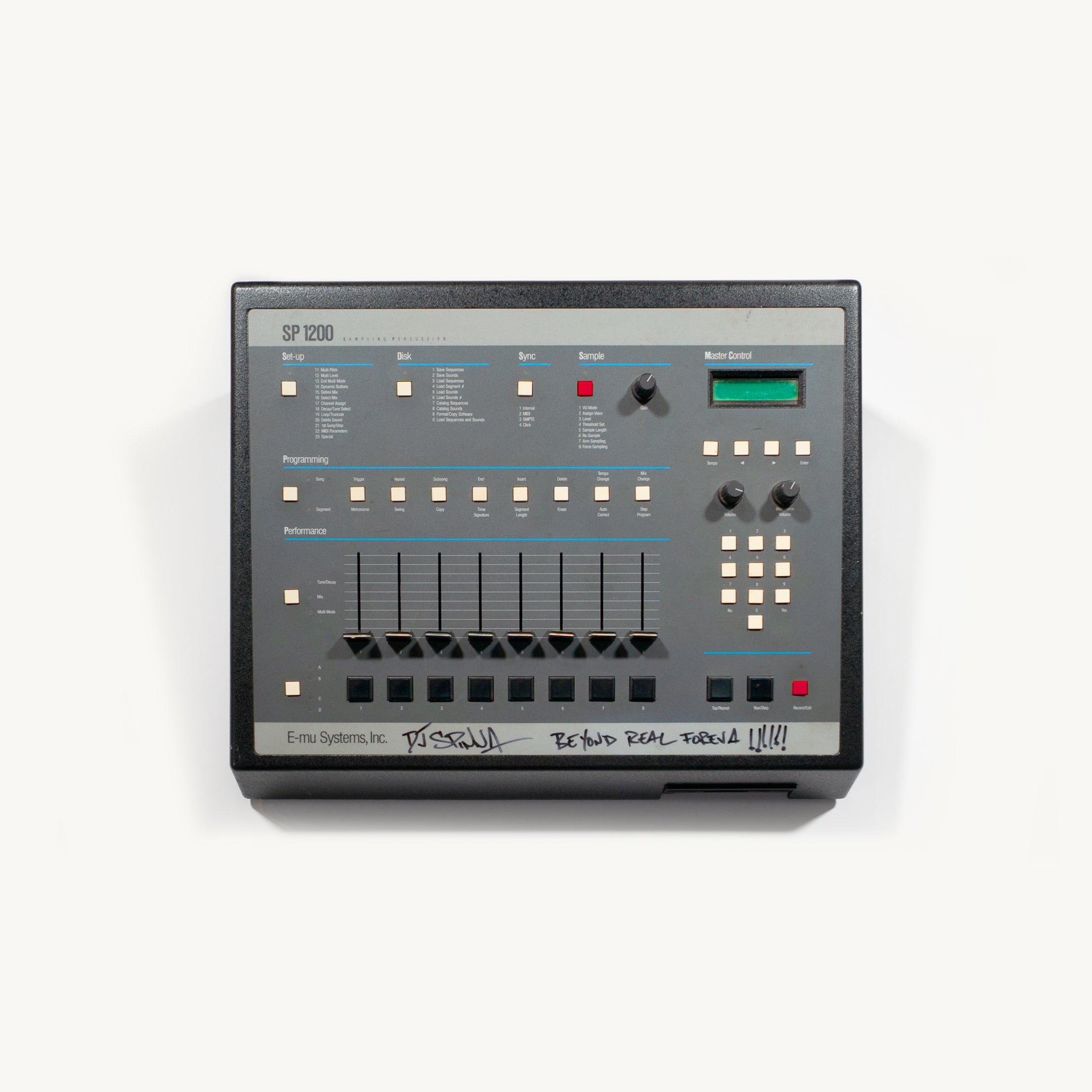
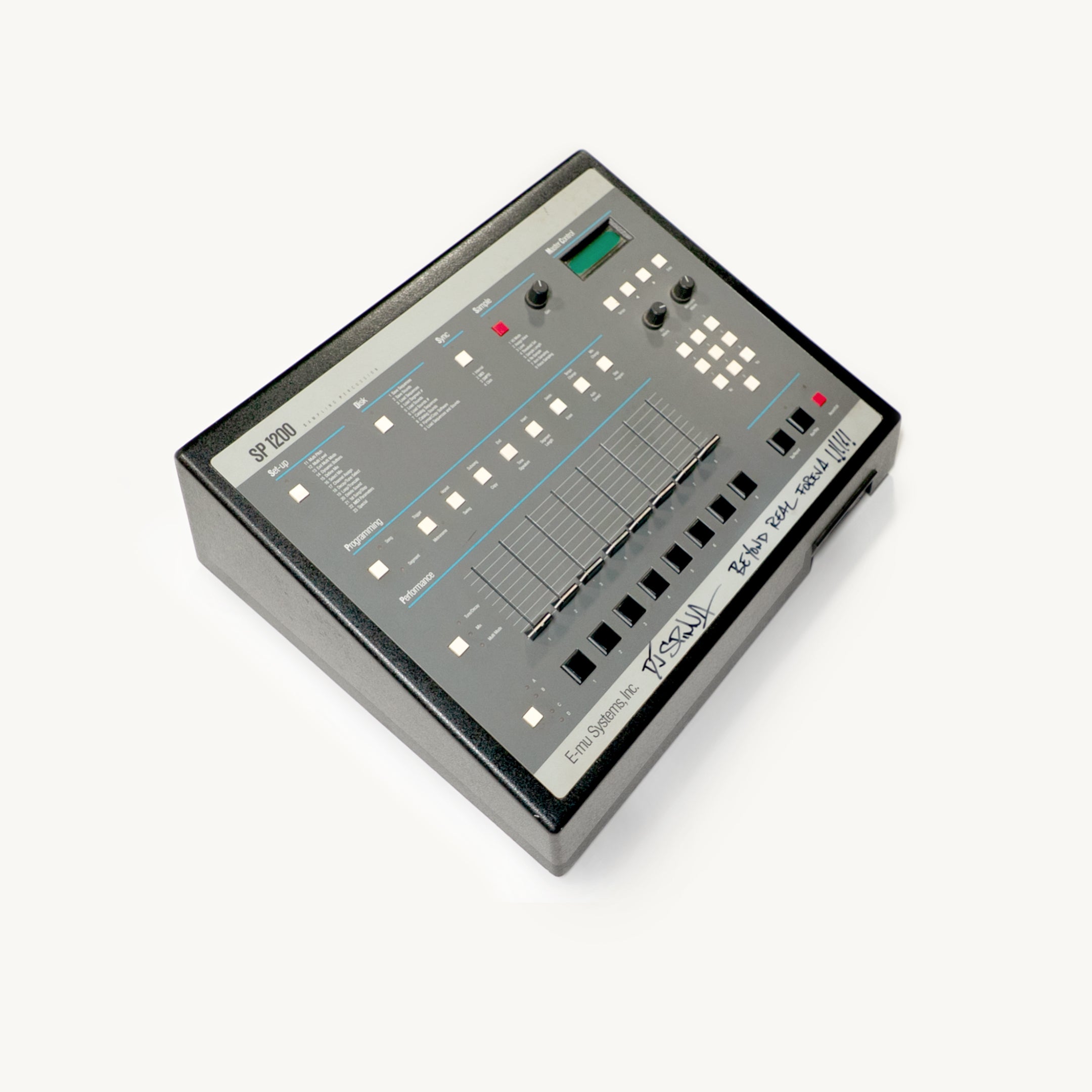

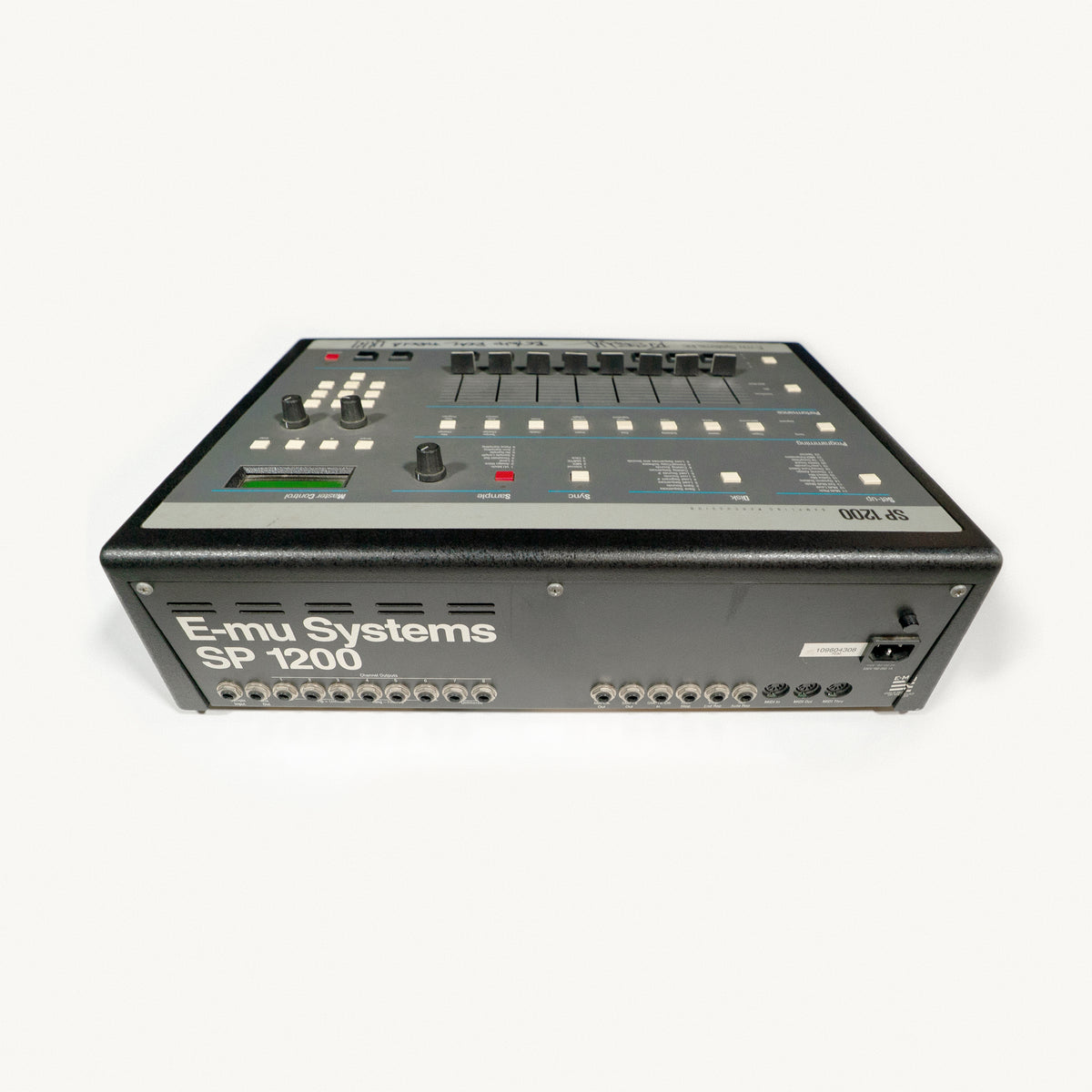
Signed by DJ Spinna and used to make records for Pharoah Monch, Mos Def, Eminem, Polyrhythm Addicts, and Jigmastas to name a few.
A signed, studio-used E-mu Systems SP-1200 Sampling Percussion — the sampler/drum machine synonymous with the "golden era" of hip-hop and boom-bap production, prized for its gritty 12-bit sound.
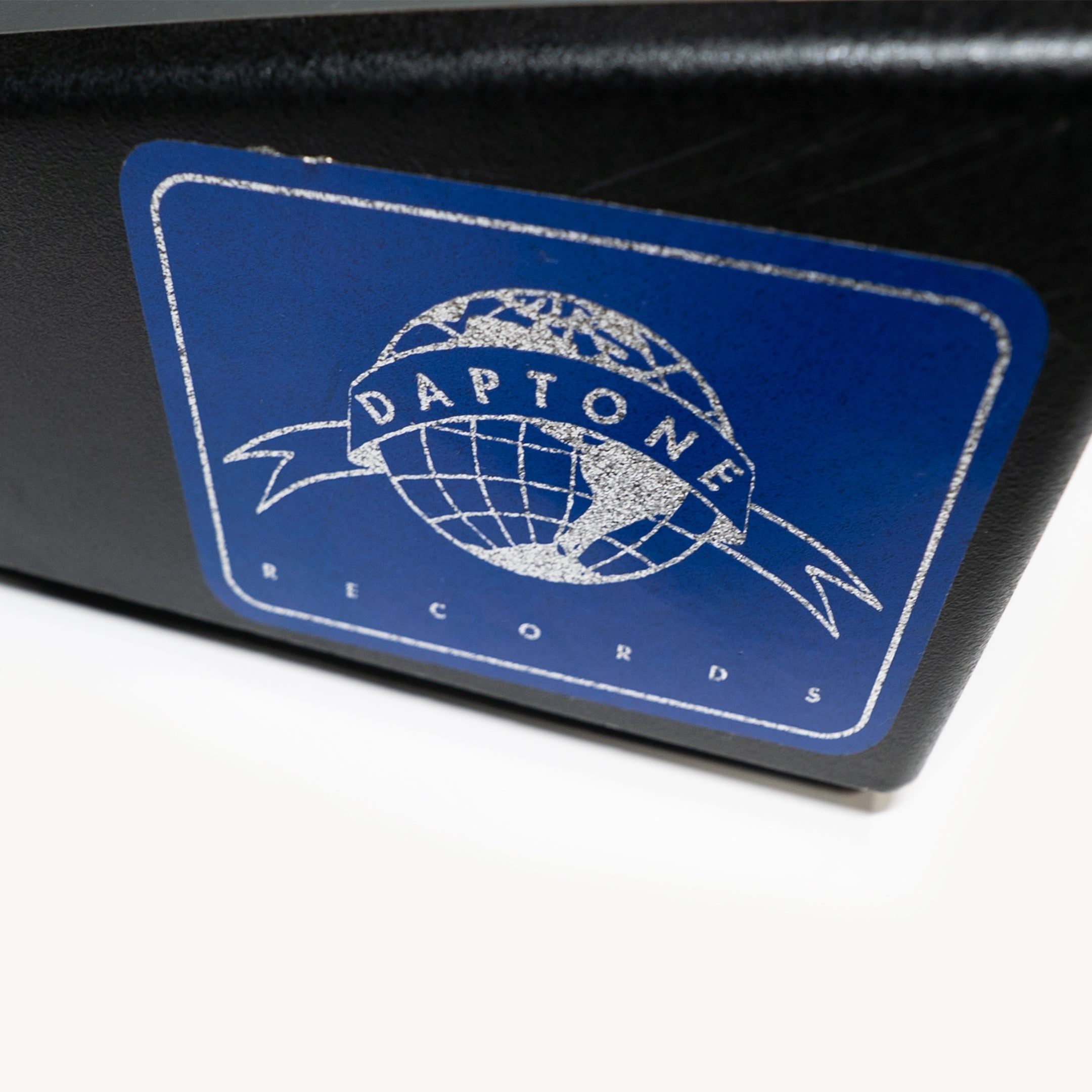
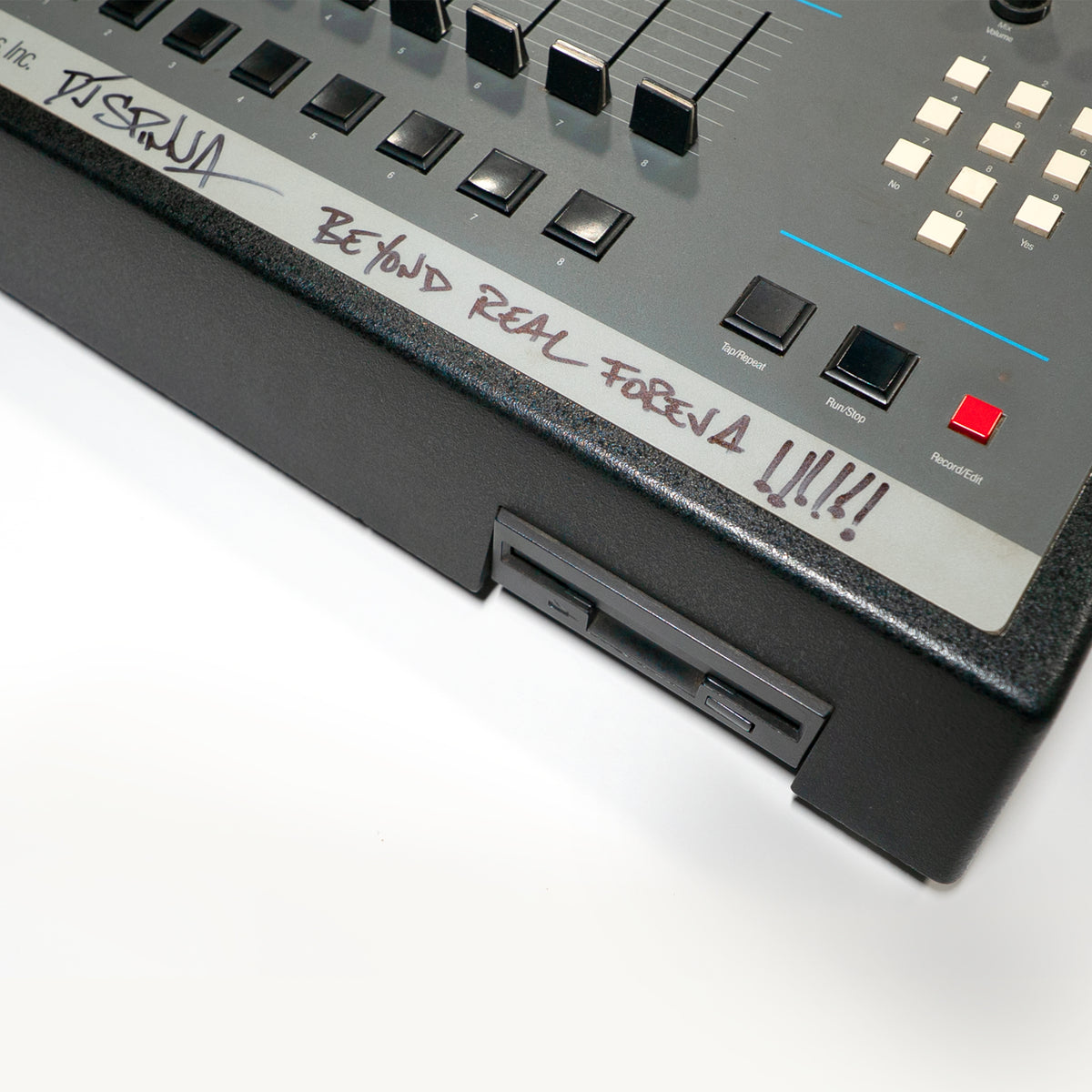
The unit carries a bold marker inscription at the bottom, reading "DJ Spinna — Beyond Real Foreva!!!,”. A Daptone Records sticker is stuck to the side of the casing, linking the machine to the soul/funk label's studio circle.
Key Details & Collectability
-
Signed and inscribed by DJ Spinna directly on the unit's front panel ("DJ Spinna — Beyond Real Foreva!!!")
-
Daptone Records studio sticker affixed to the casing
-
Accompanied by original E-mu SP-1200 setup/reference card
-
Iconic sampler model central to the golden era of hip-hop production
-
Direct provenance from DJ Spinna
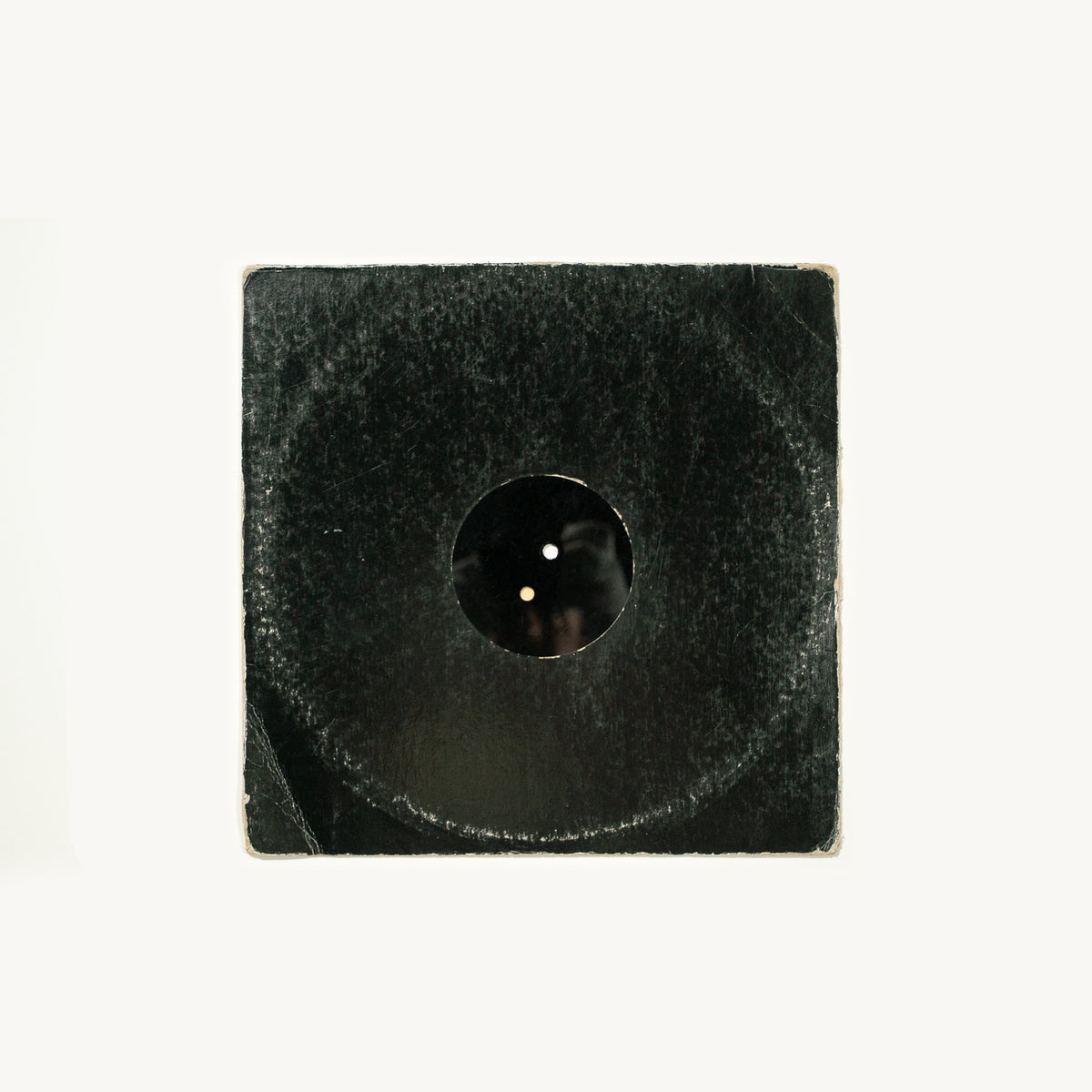
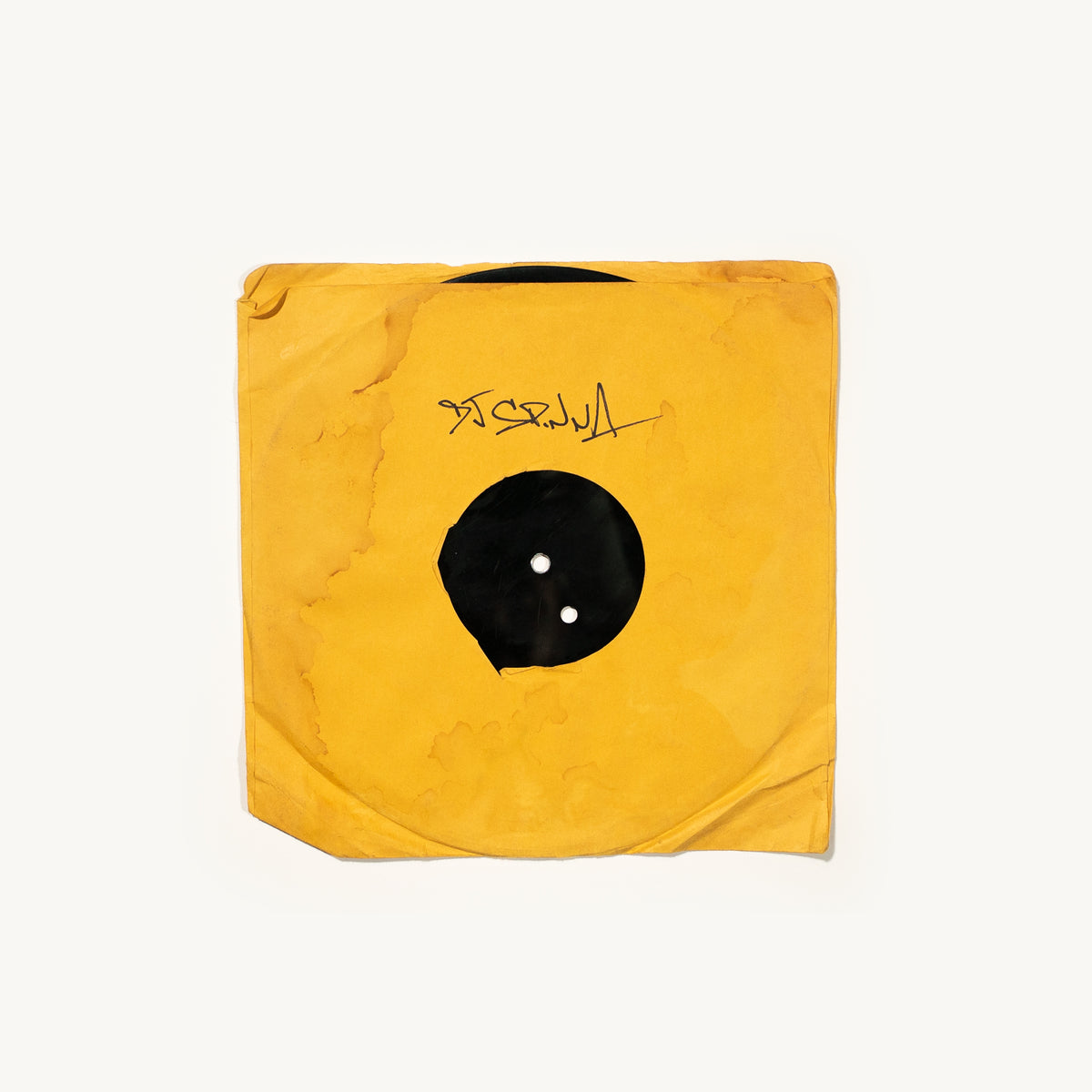
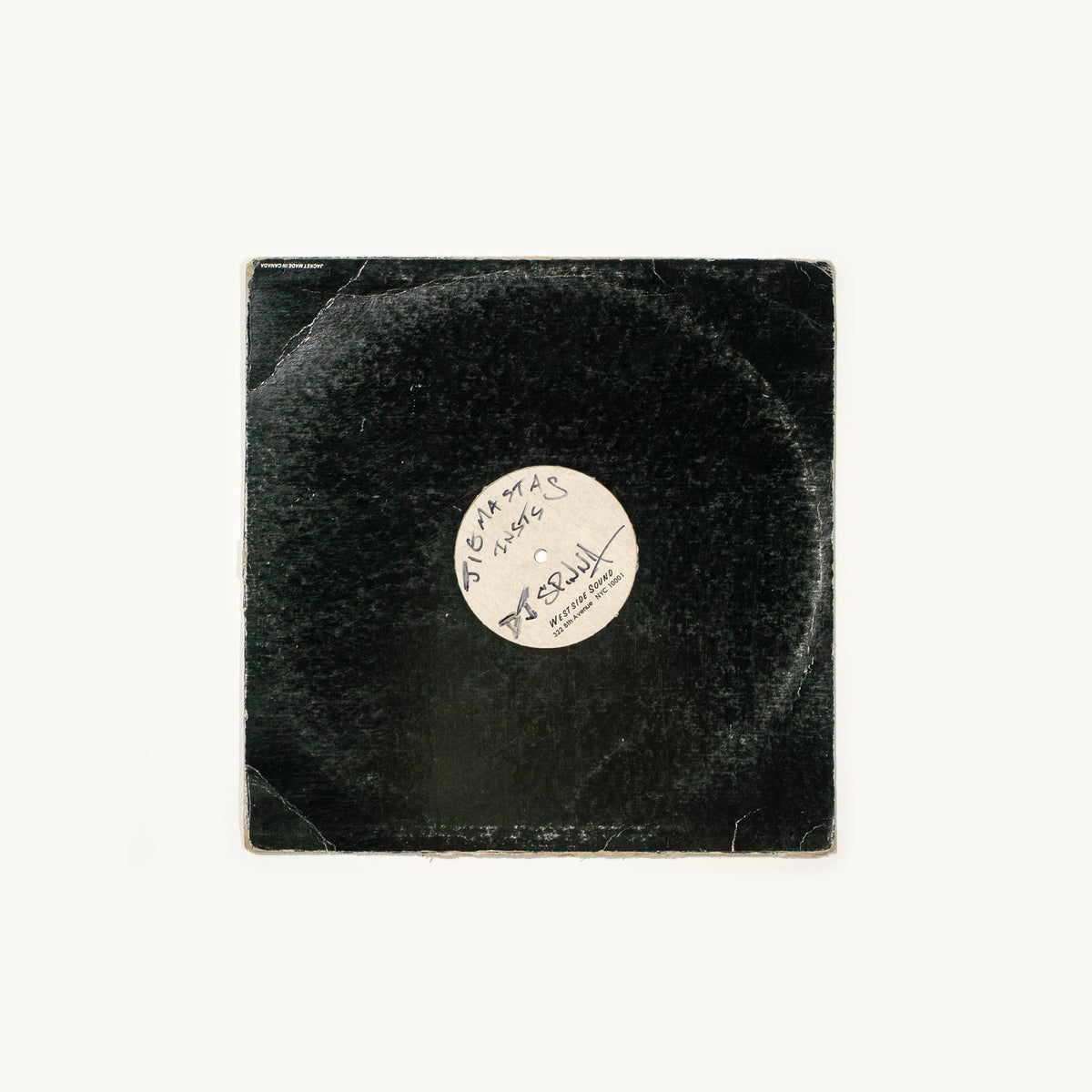
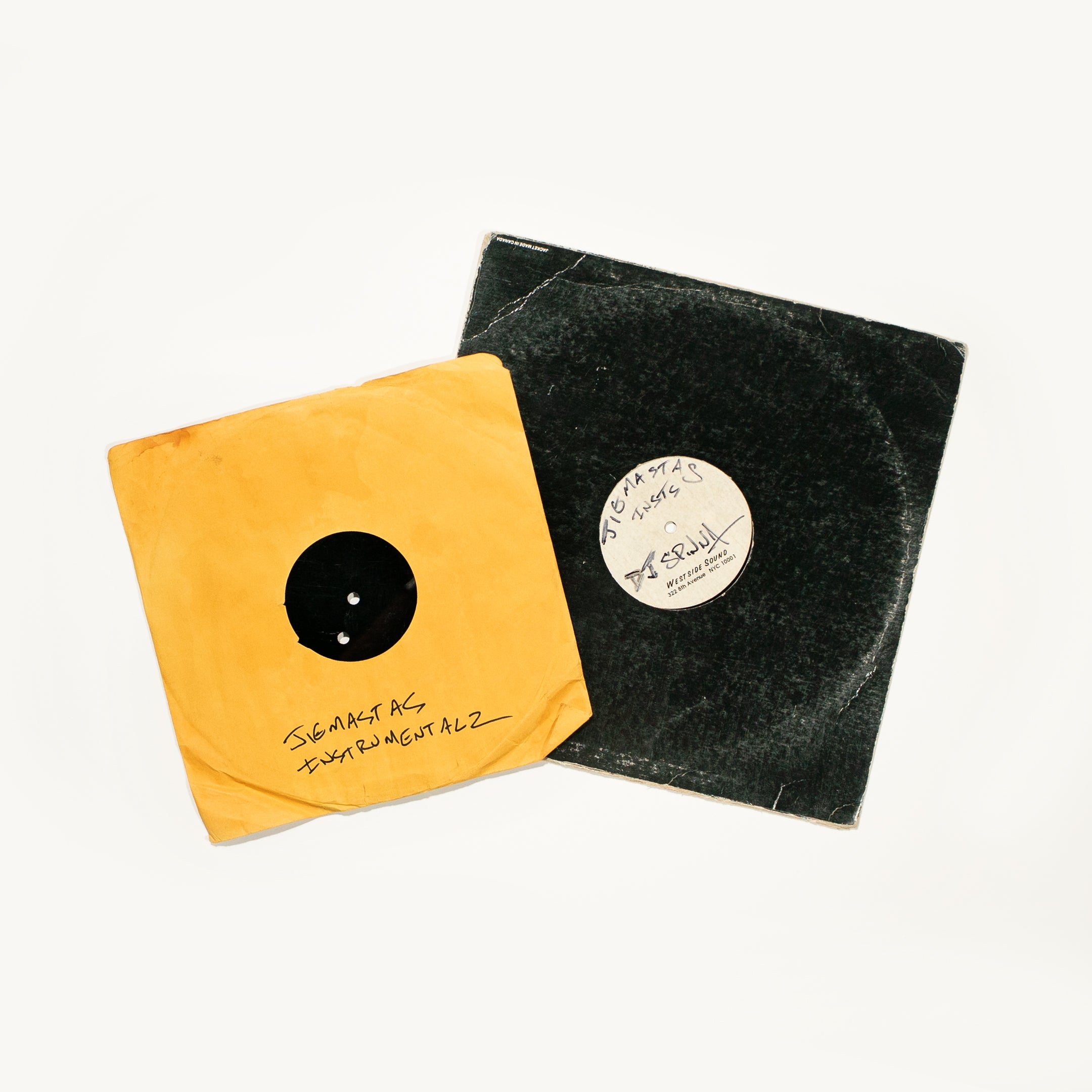
Jigmastas Instrumental Acetate (2 Unreleased Instrumentals)
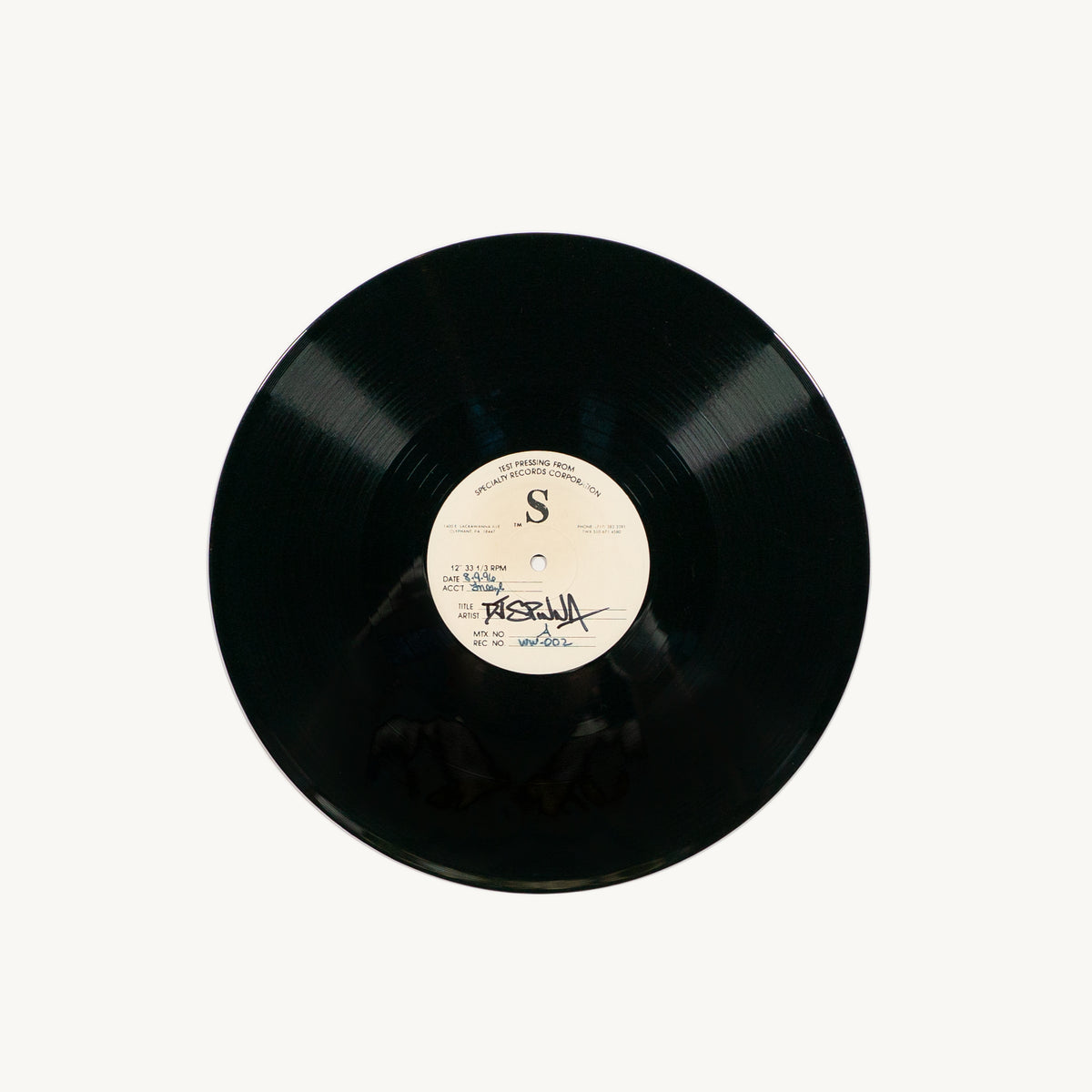
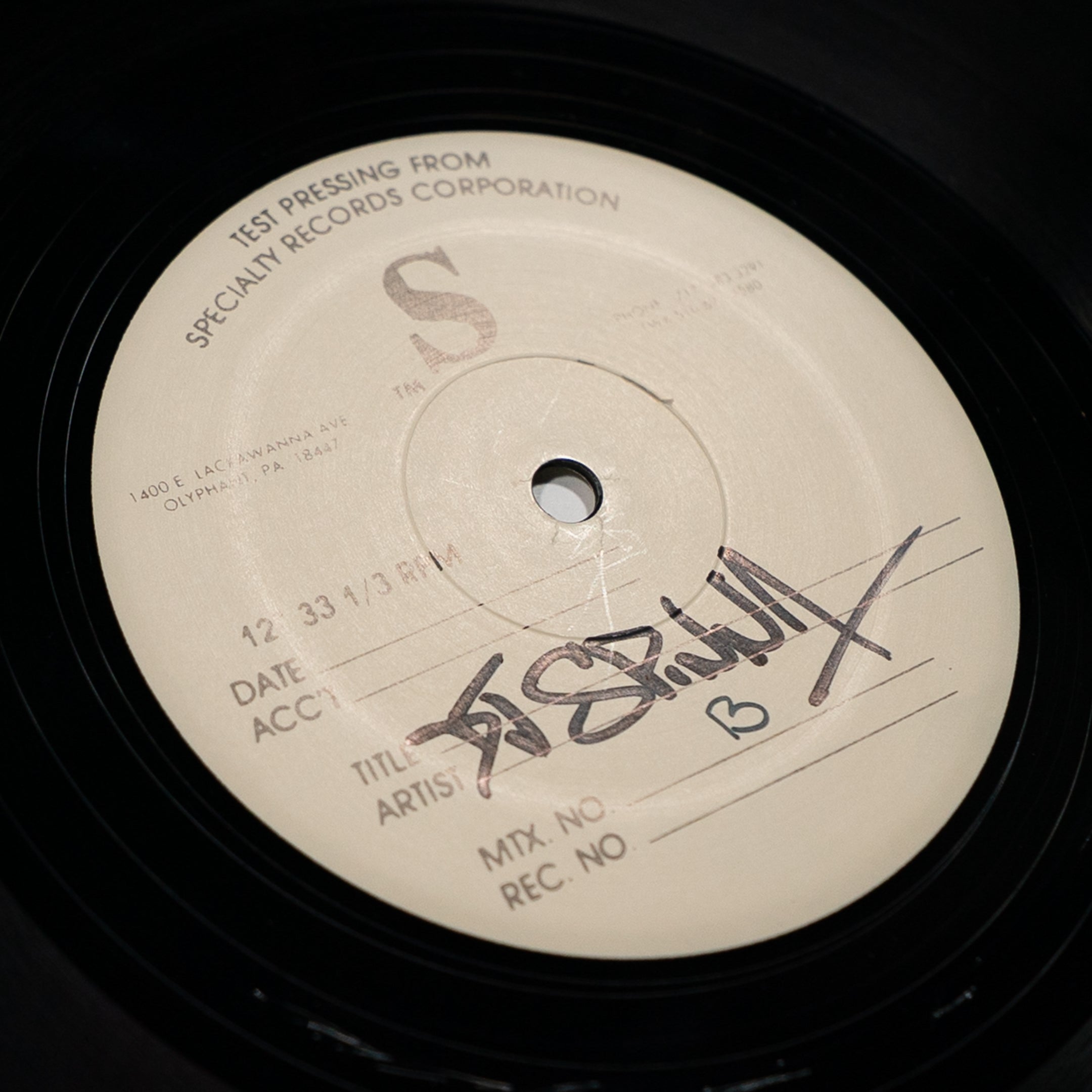
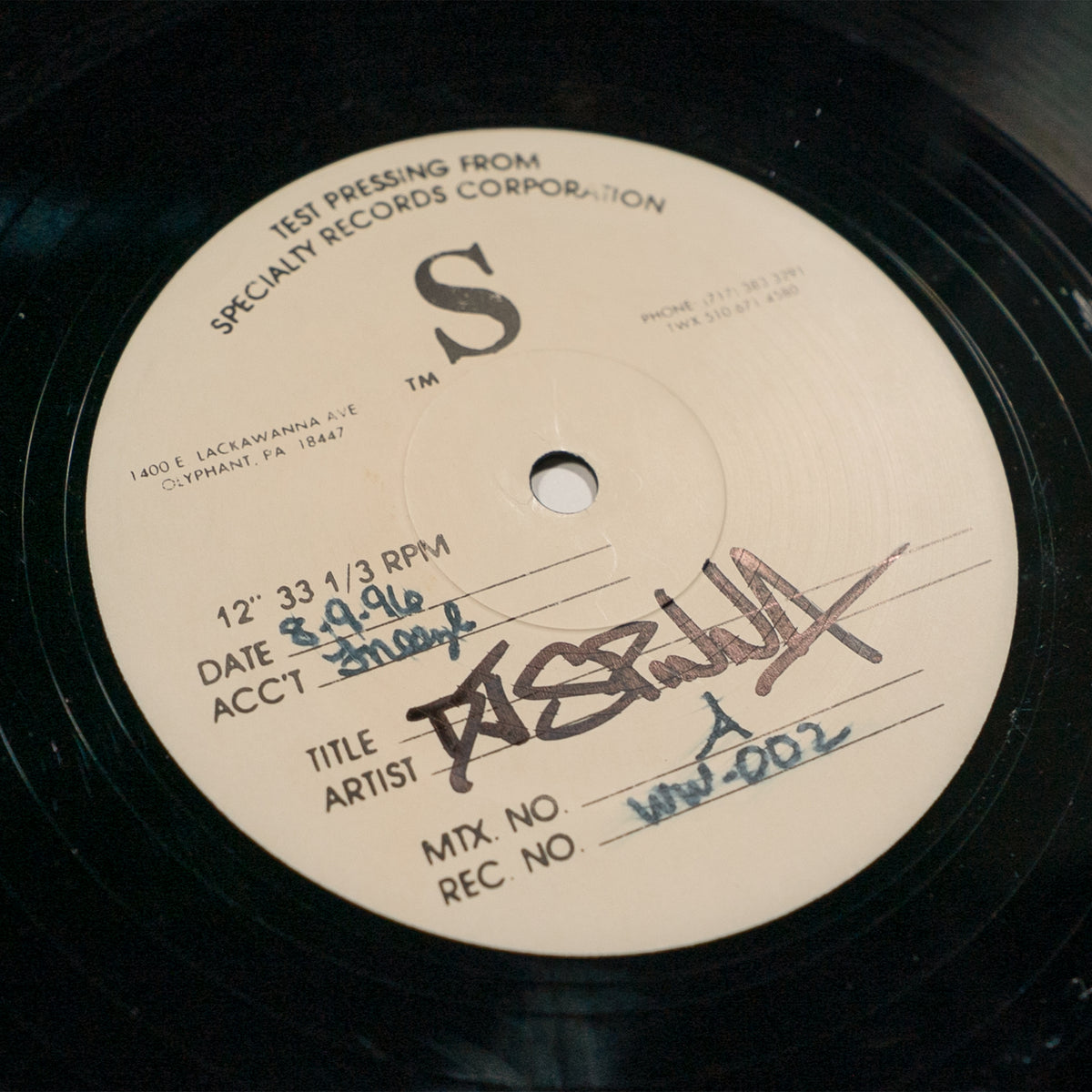
Unreleased Test Pressing (1996)
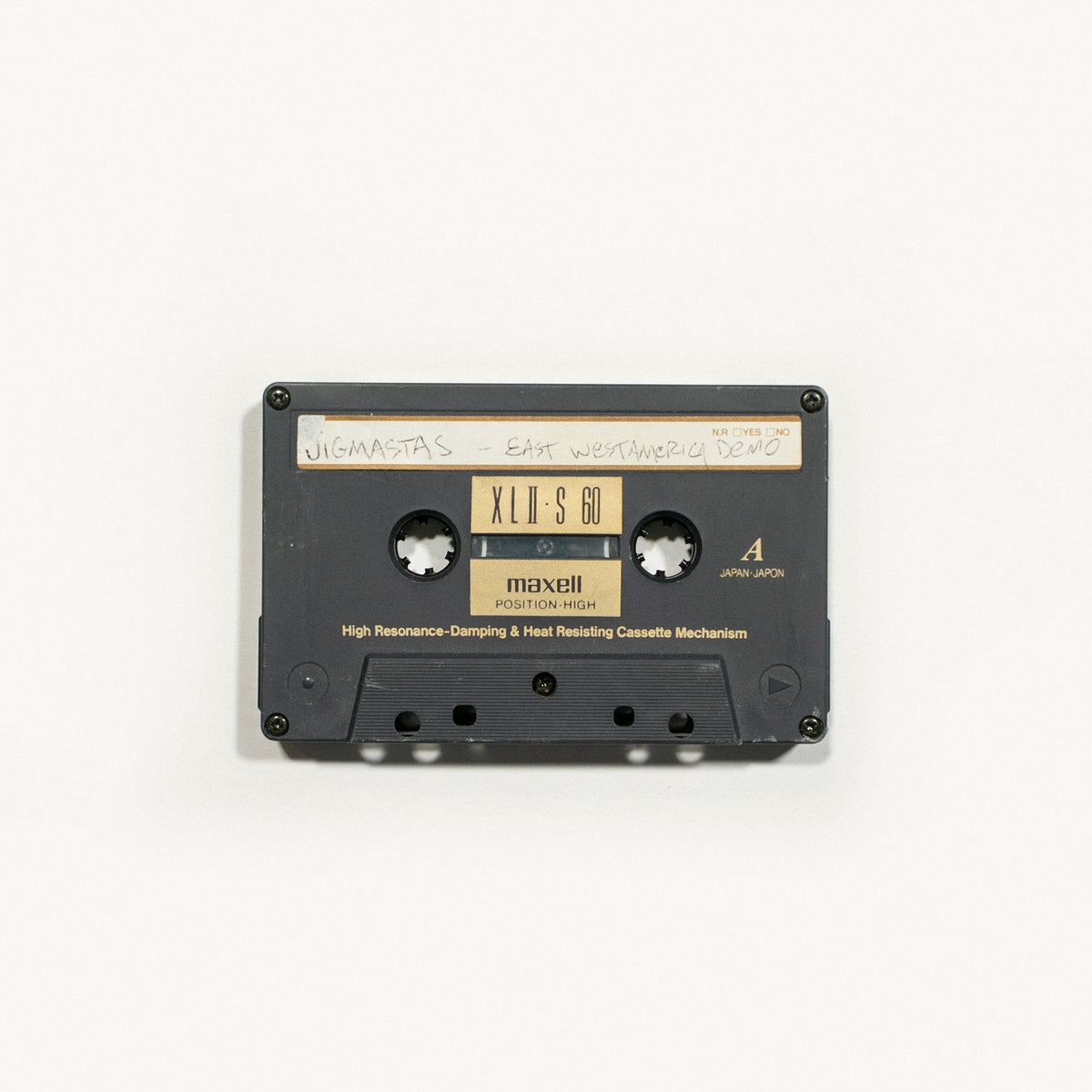
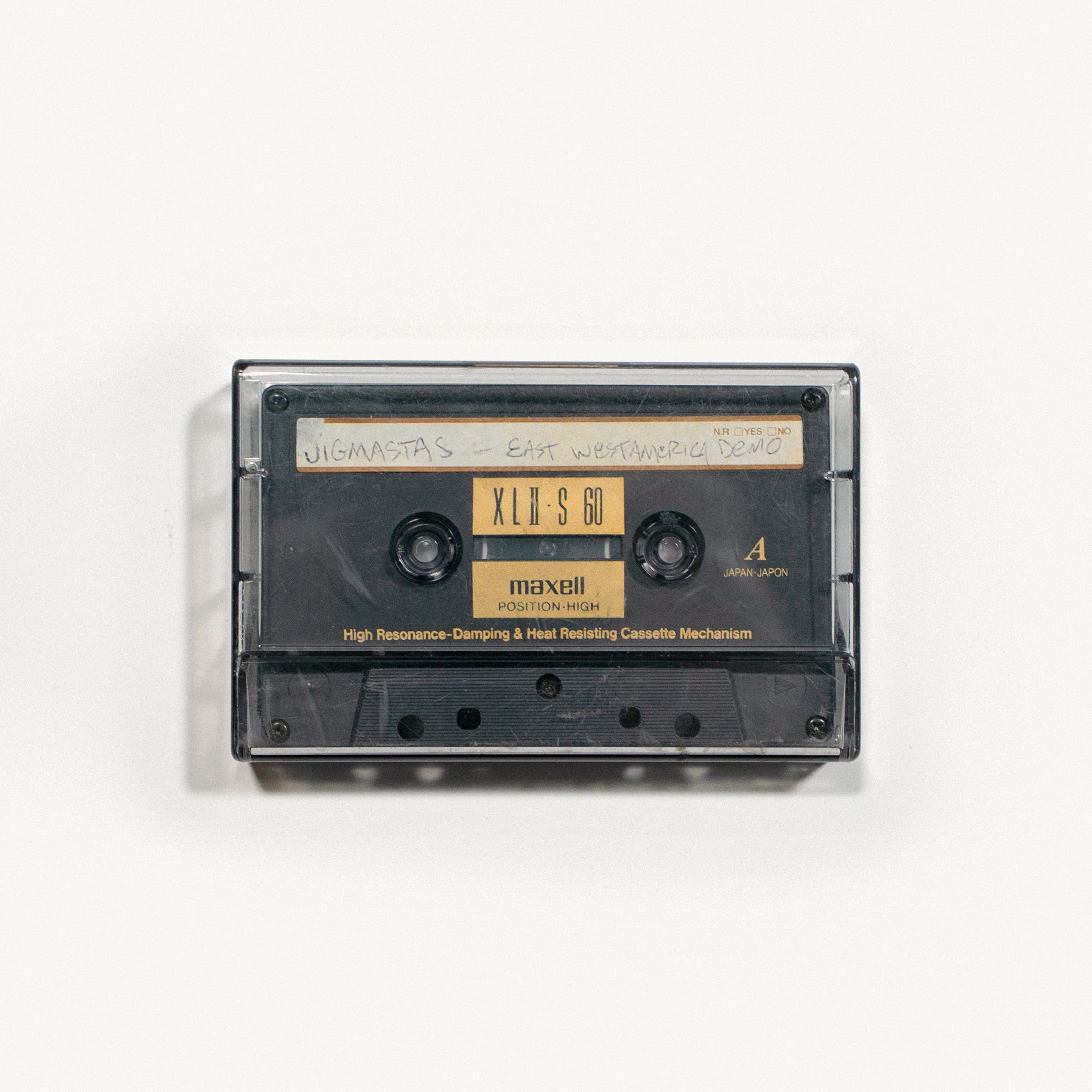
Jigmastas Demo Deal Tape for EastWest Records
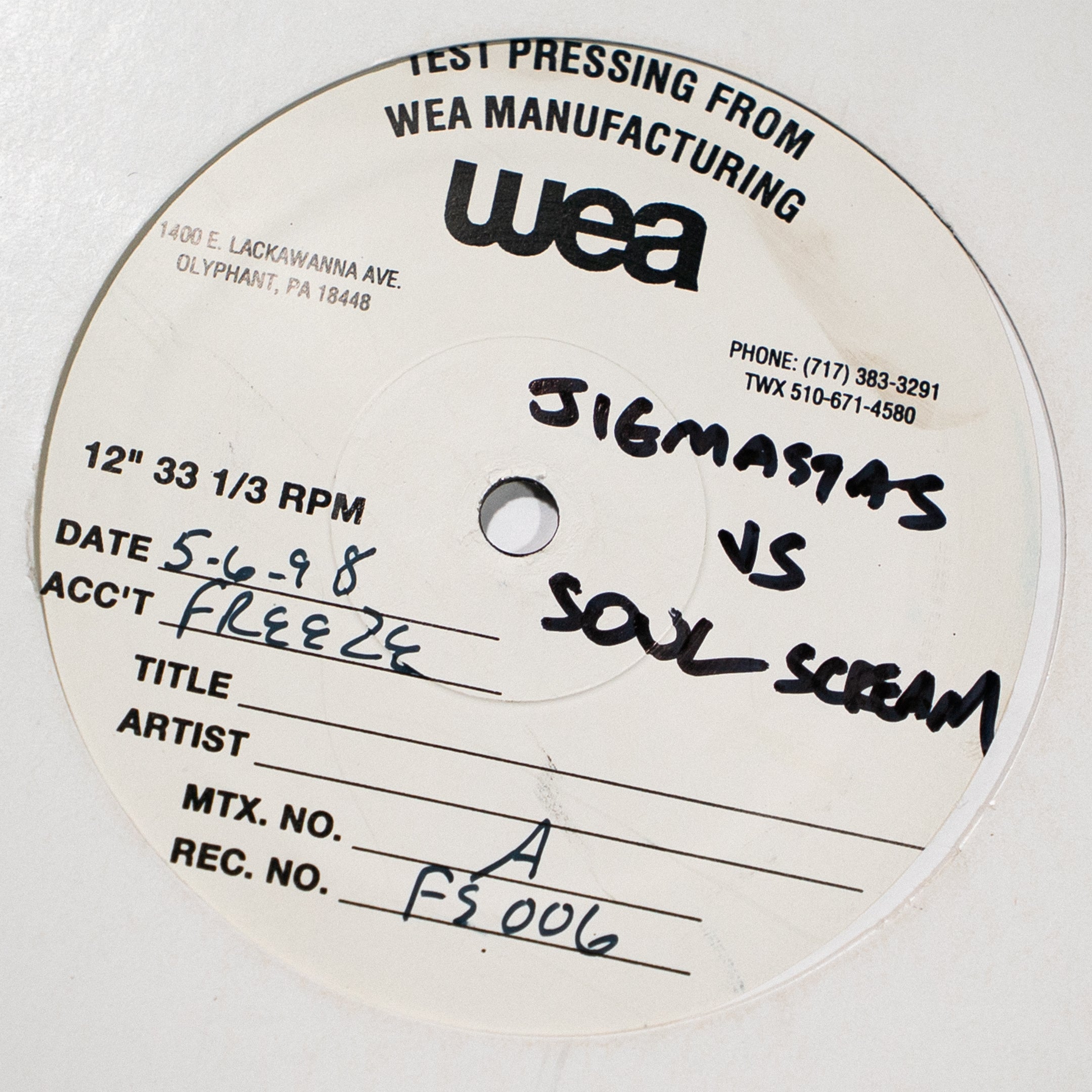
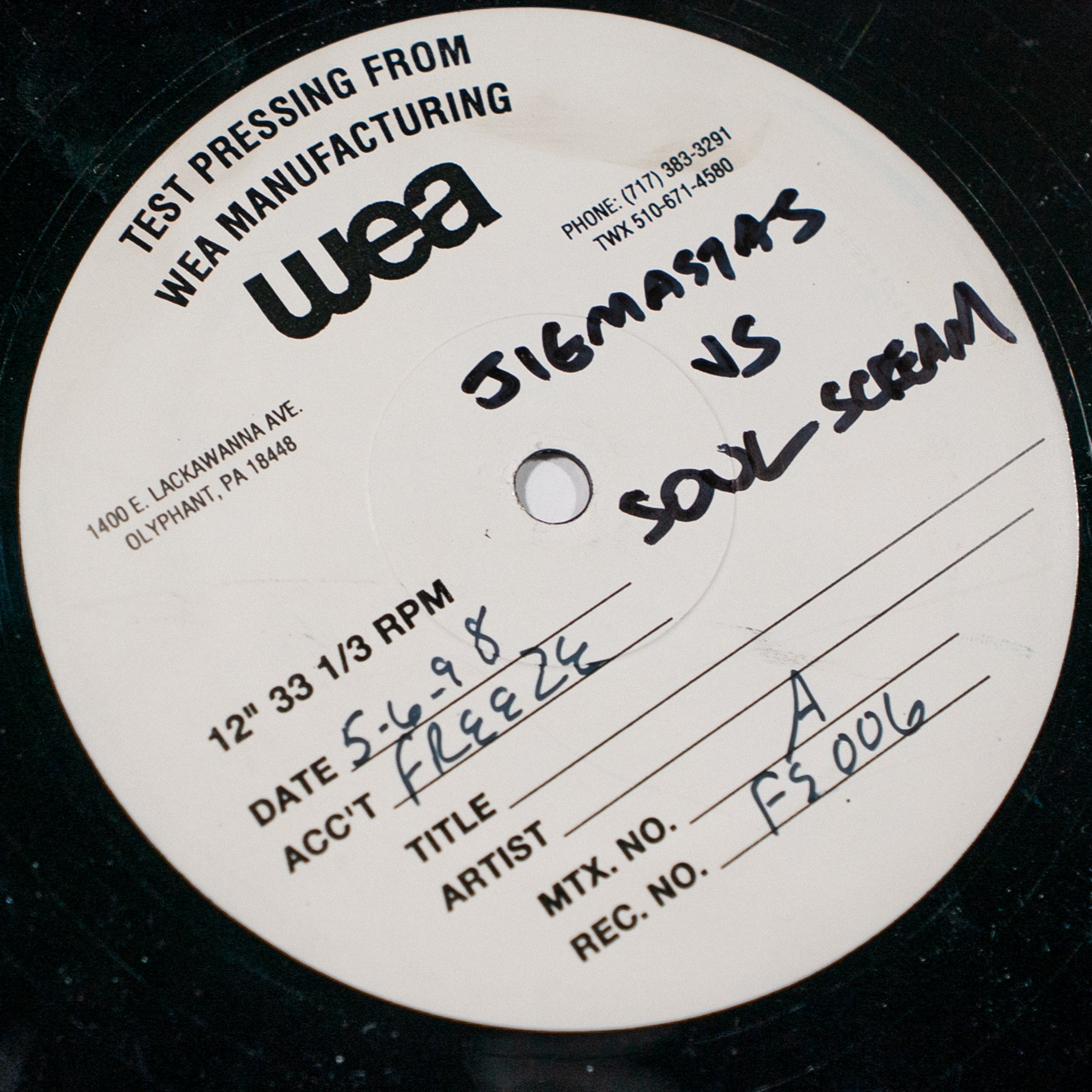
Jigmastas & Soul Scream Test Pressing
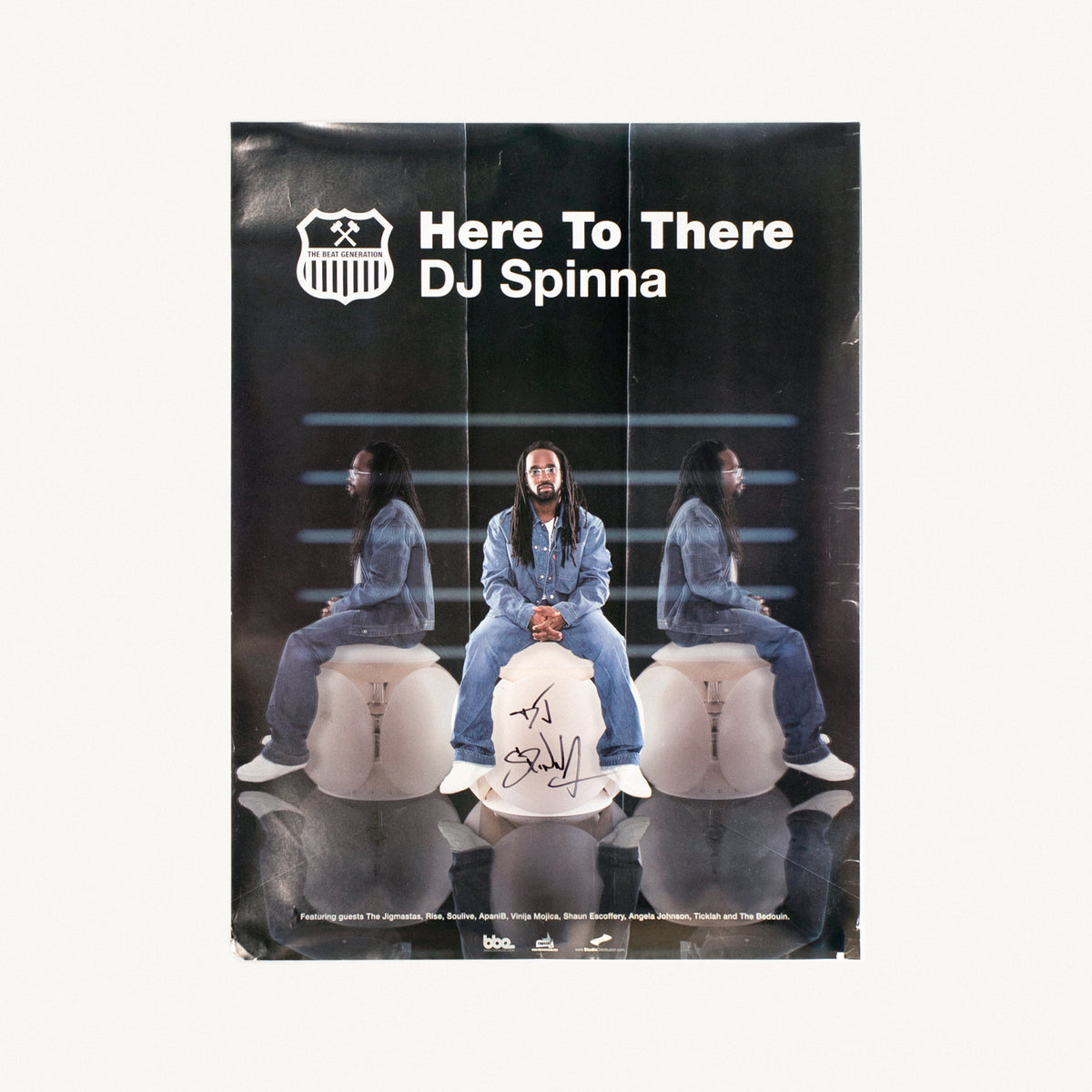
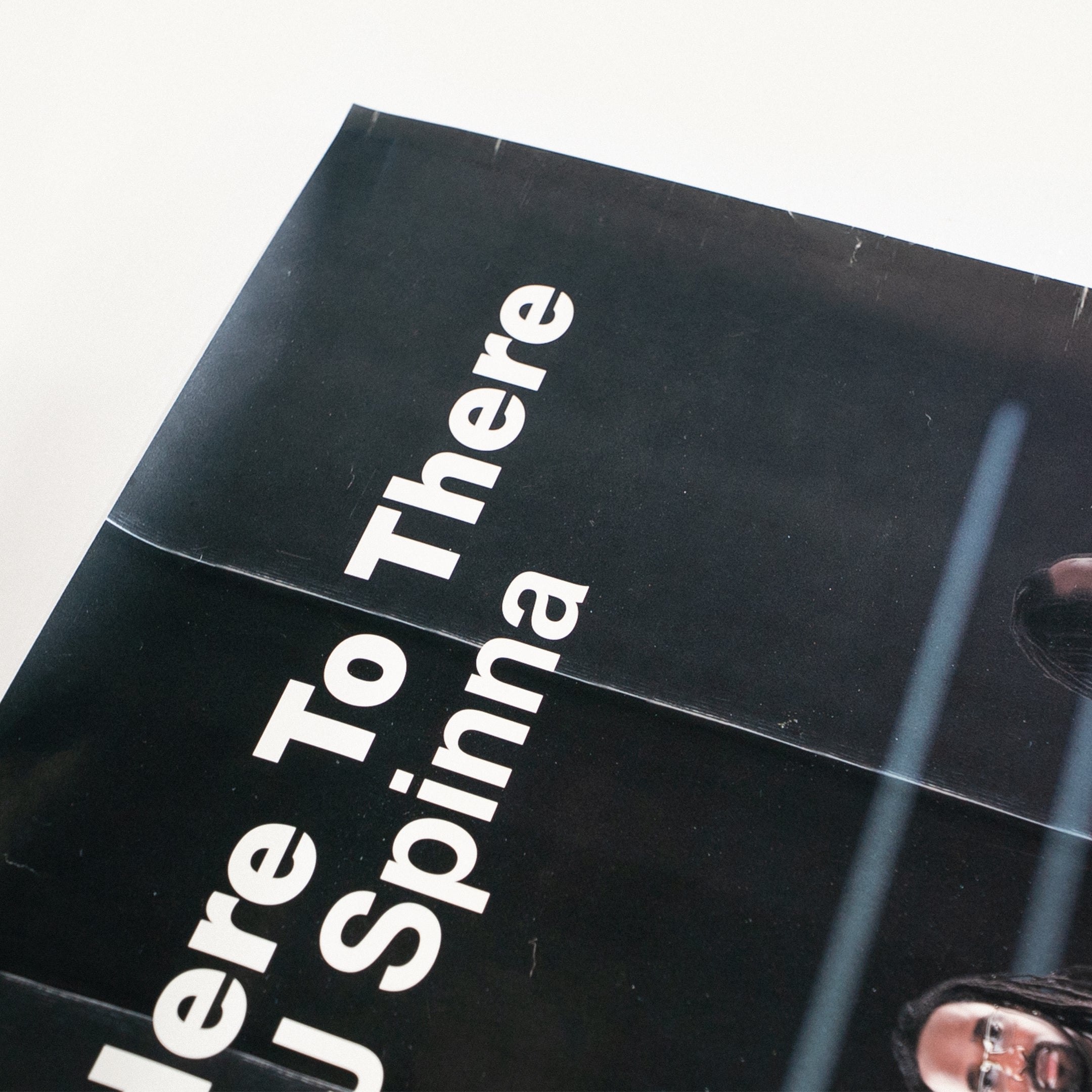
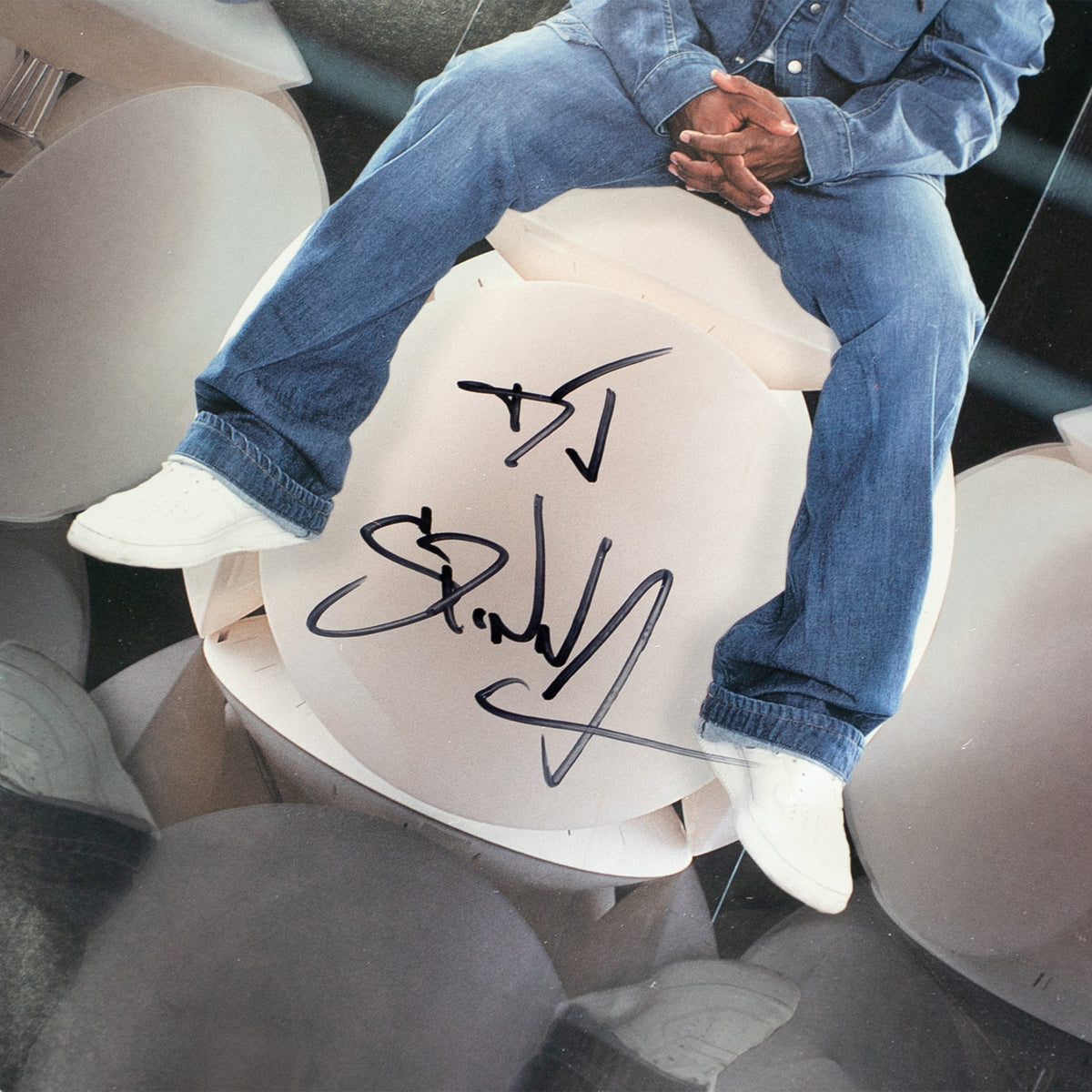
Signed BBE 'Beat Generation' Album Poster (Here to There)
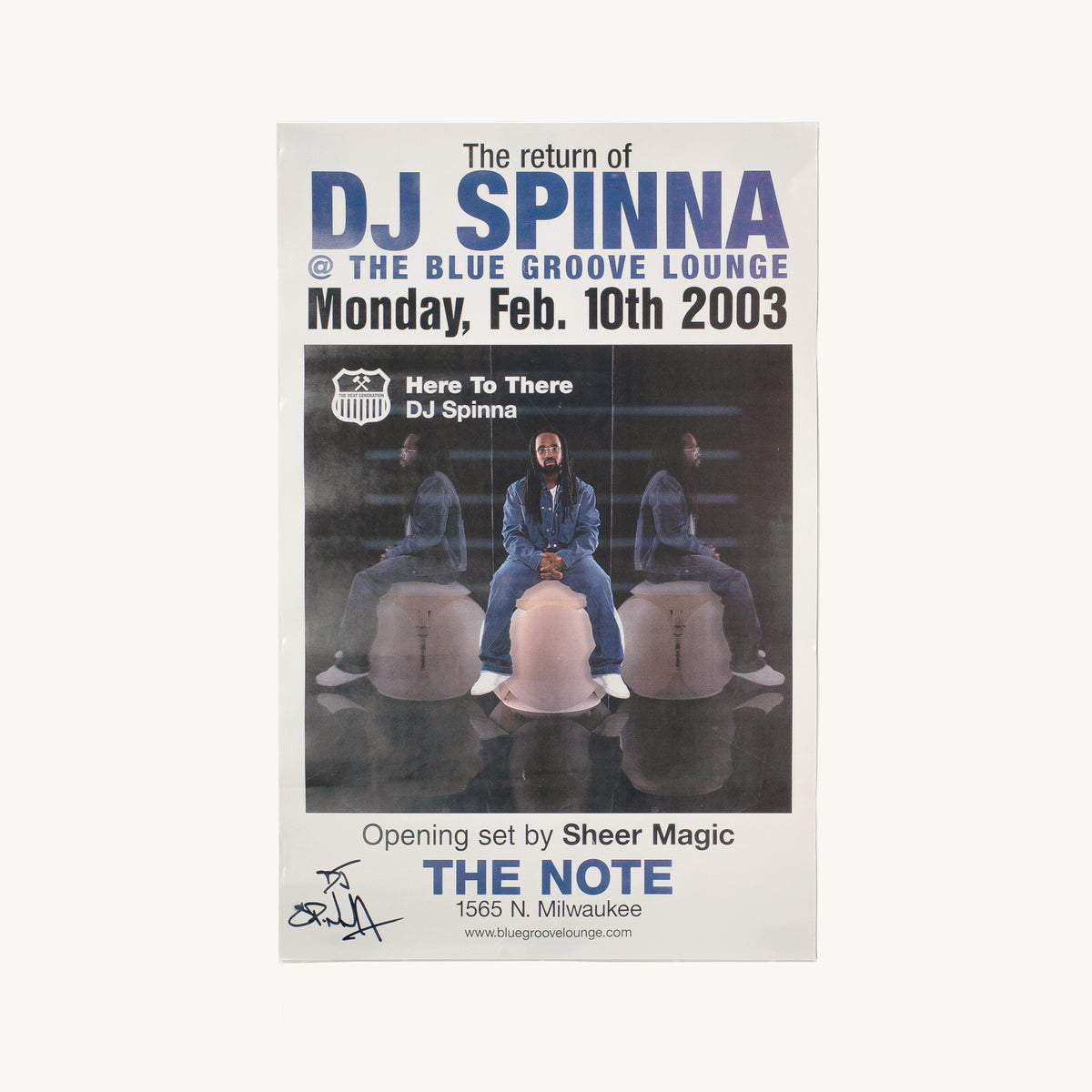
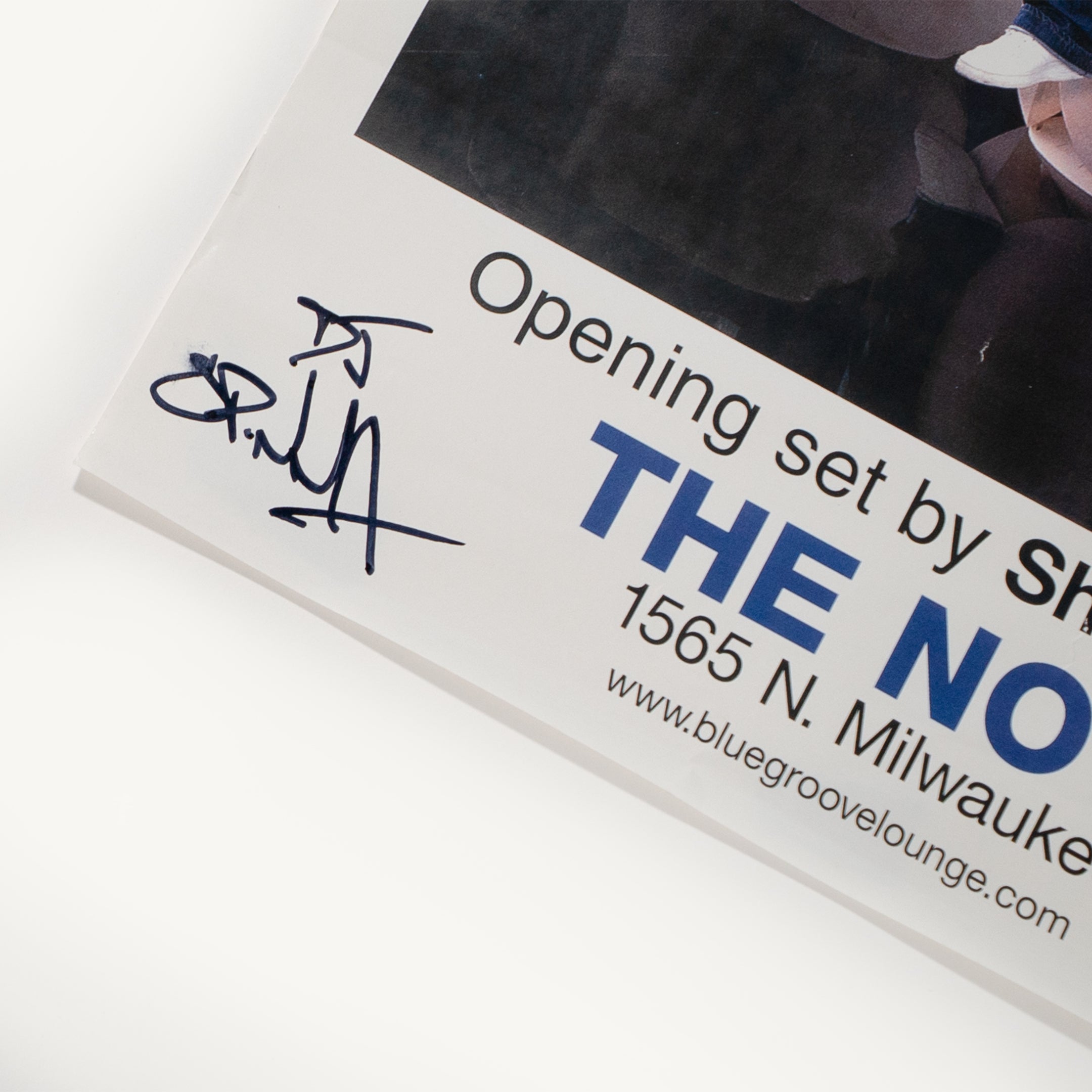
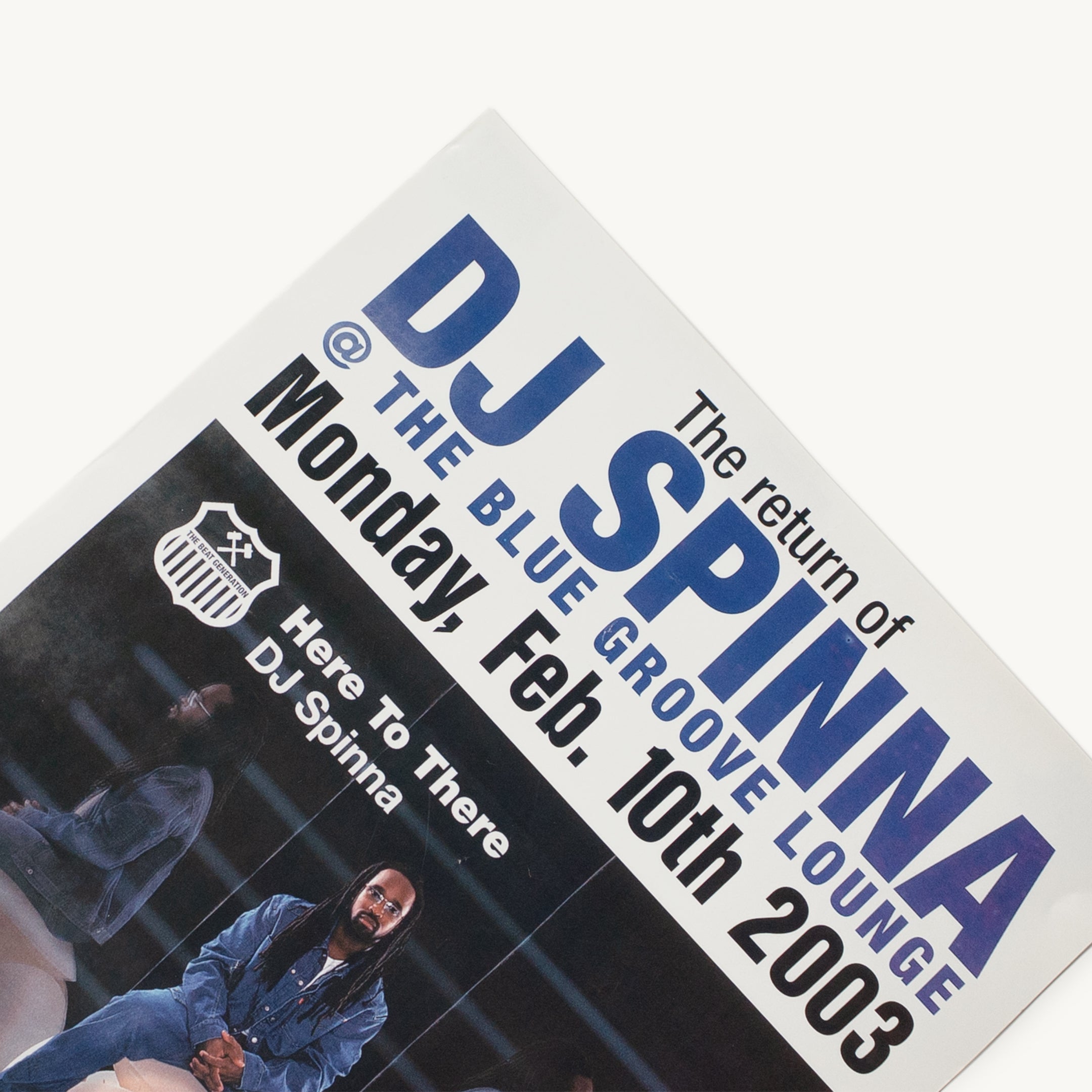
Signed BBE Album Release Party Poster
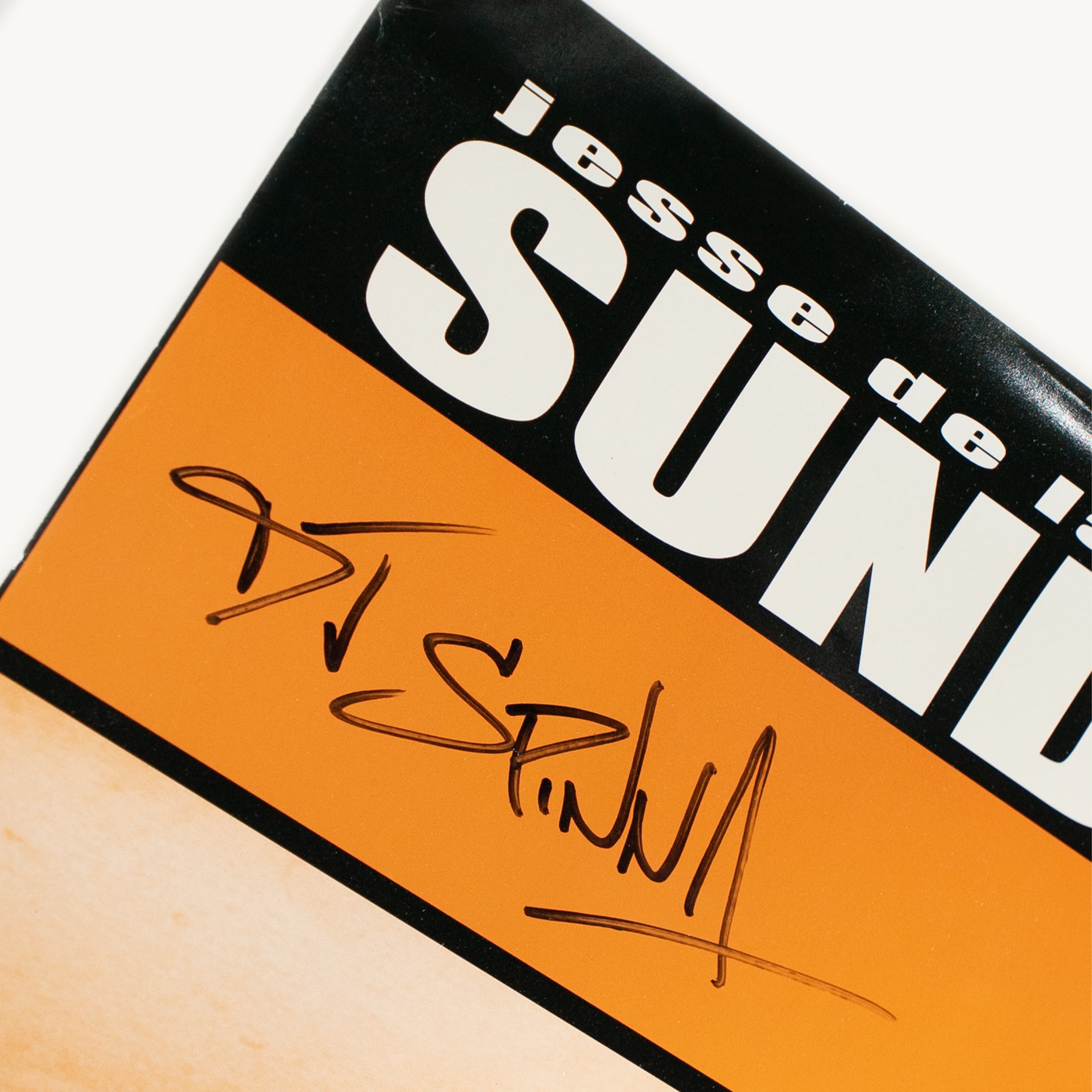
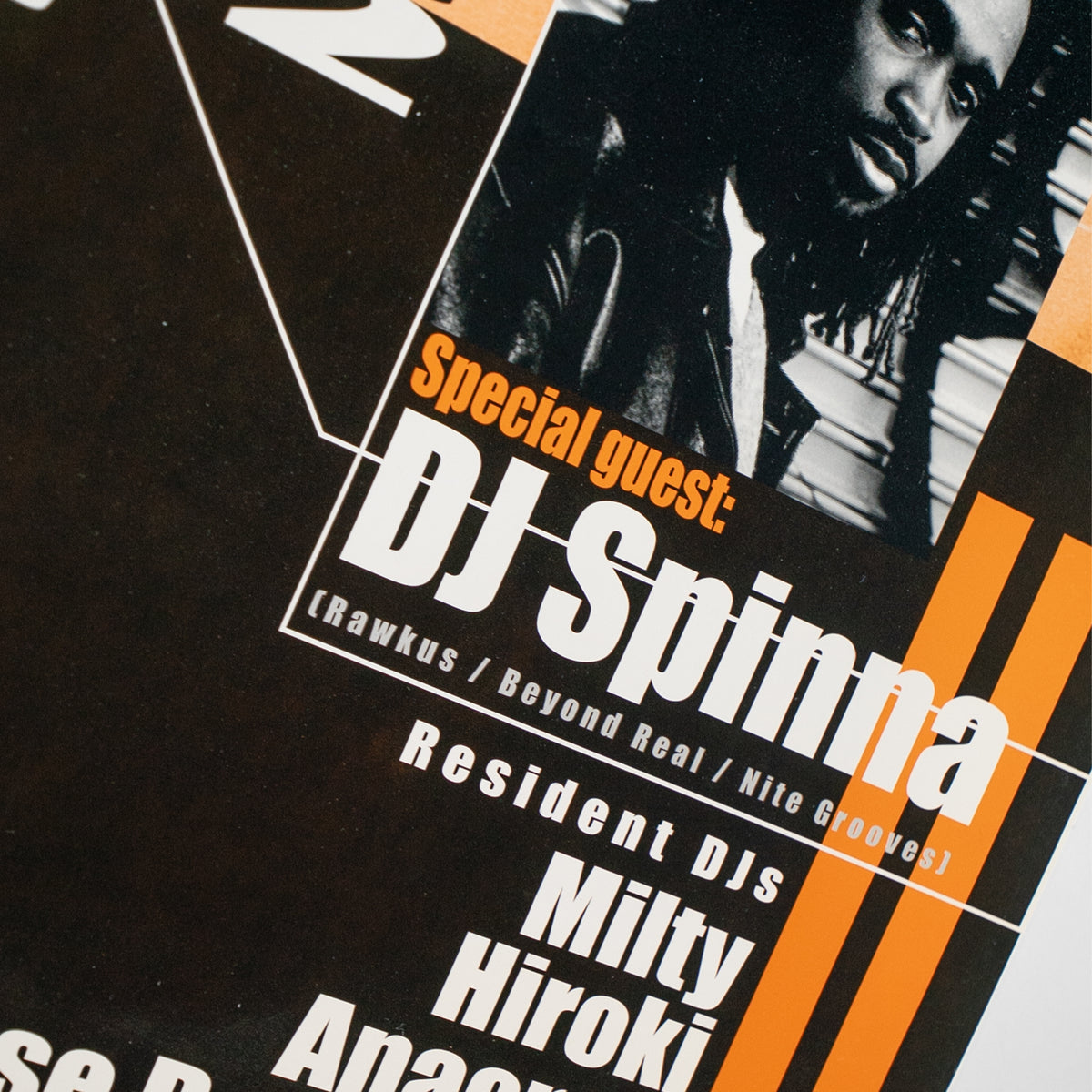
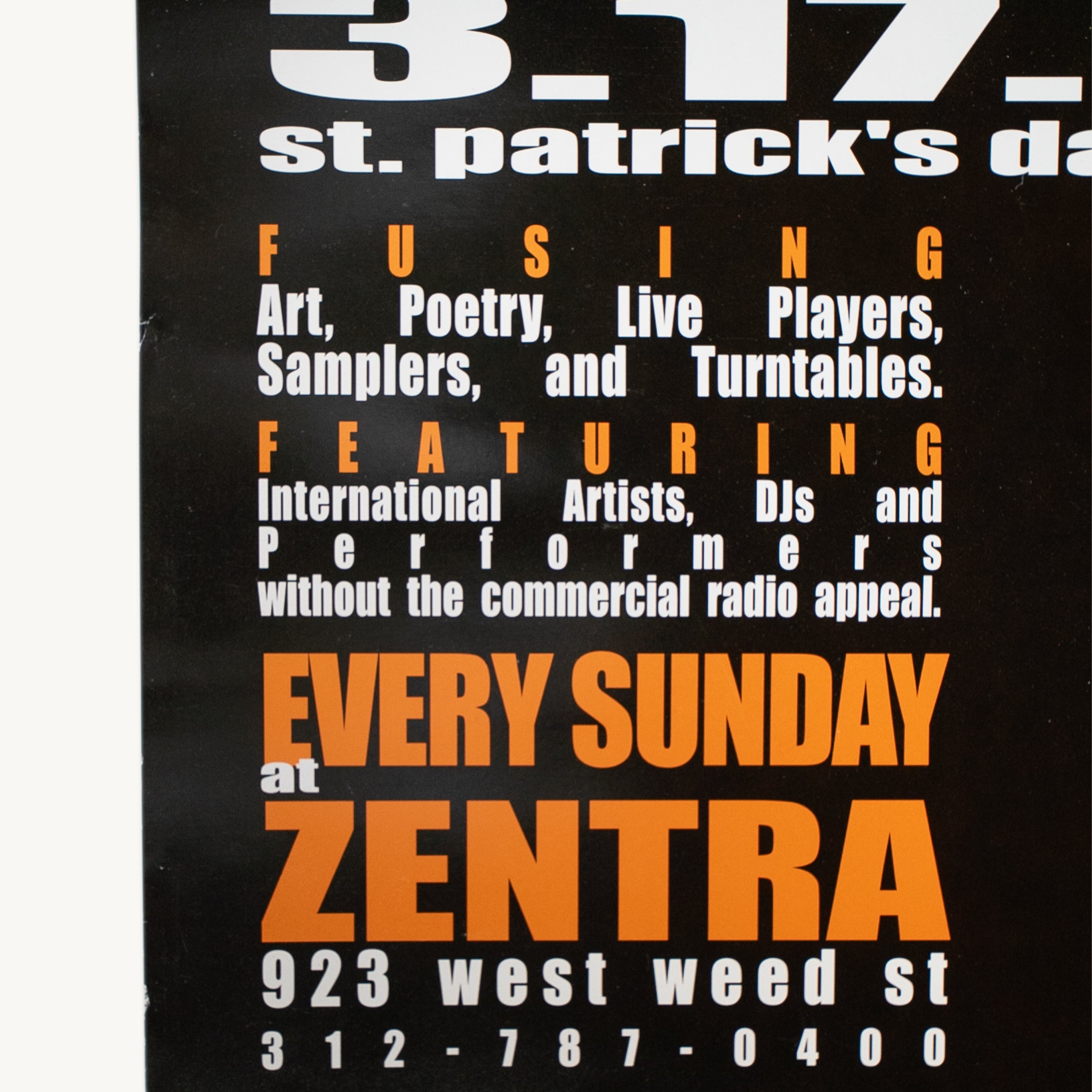
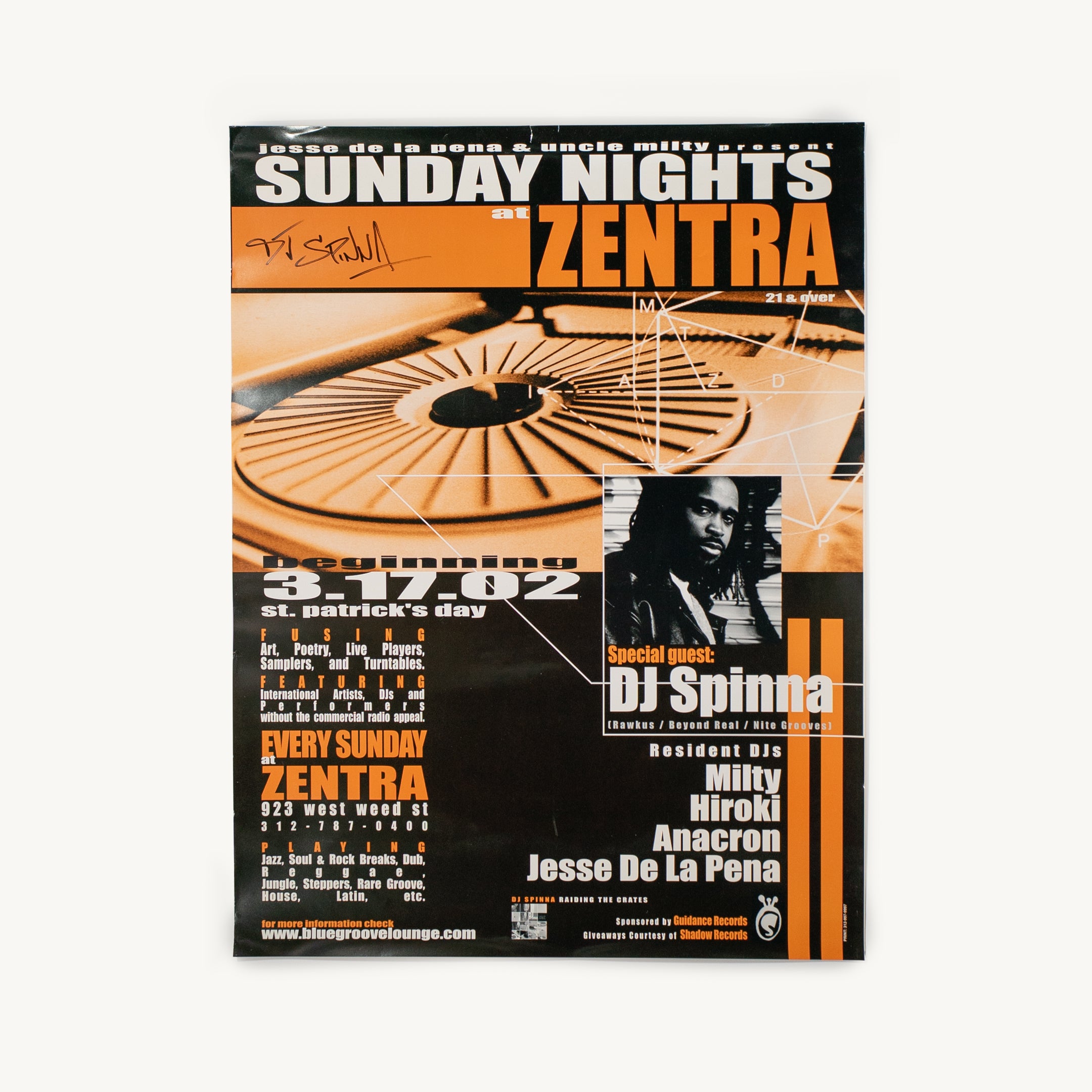
Signed Chicago Party Poster (2002)
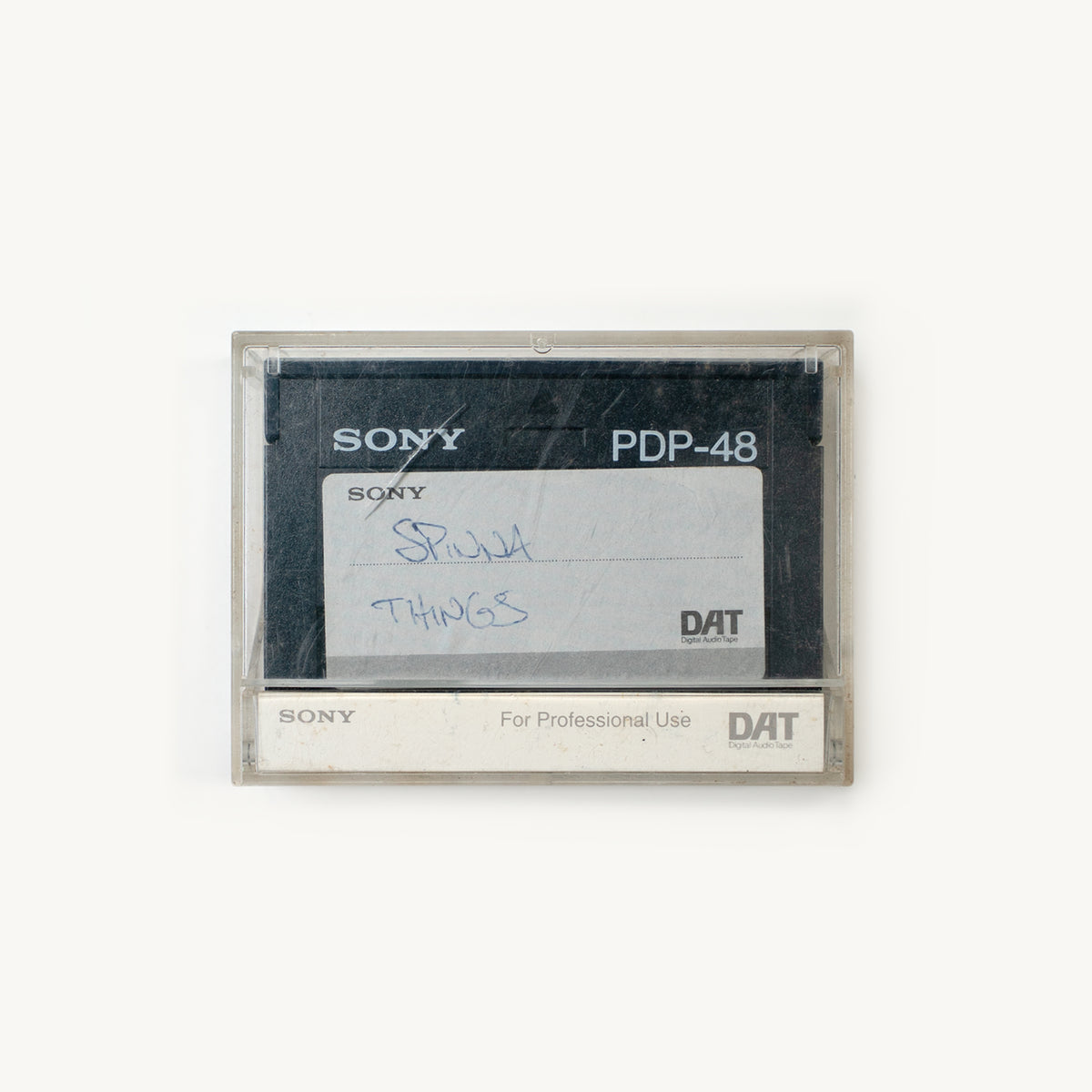
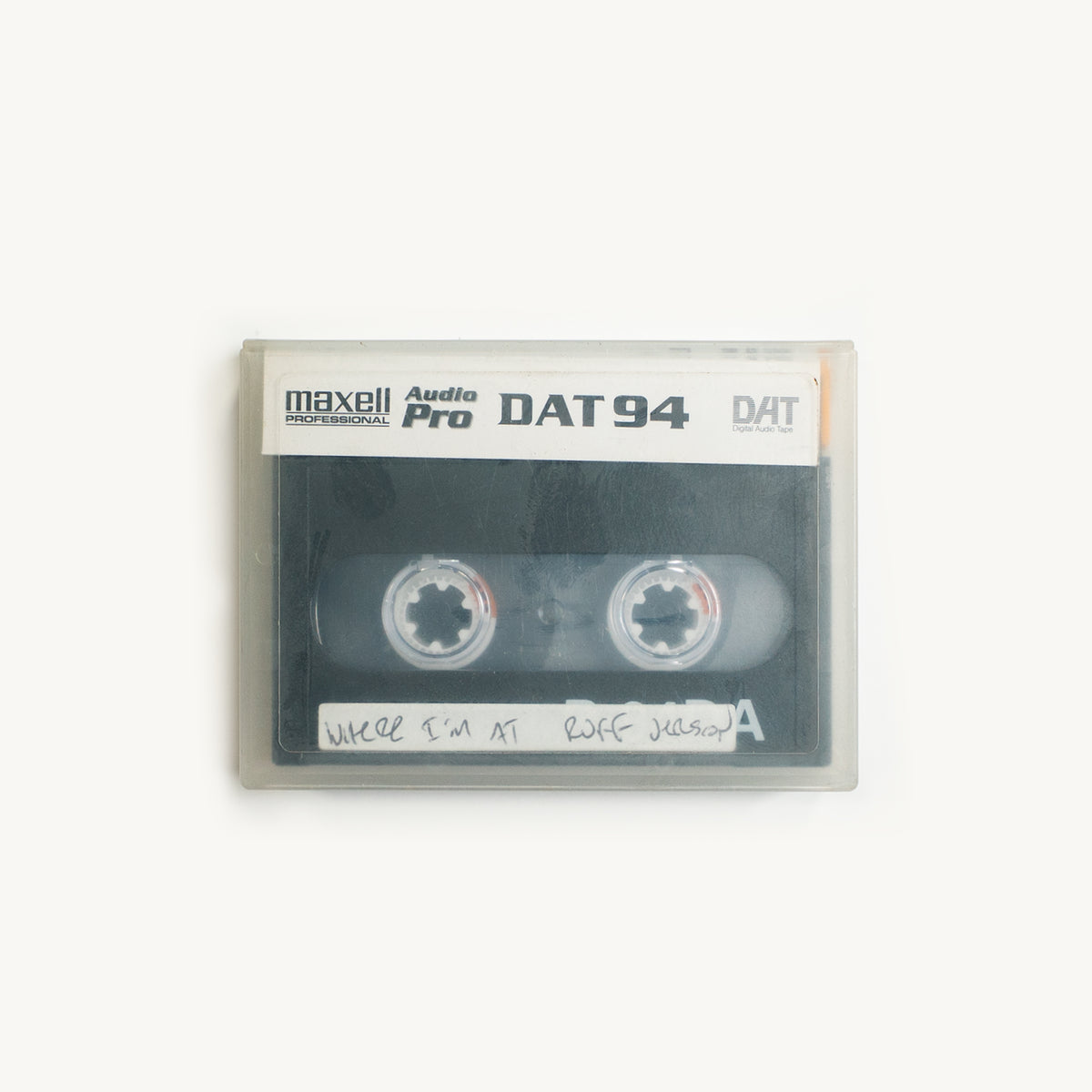
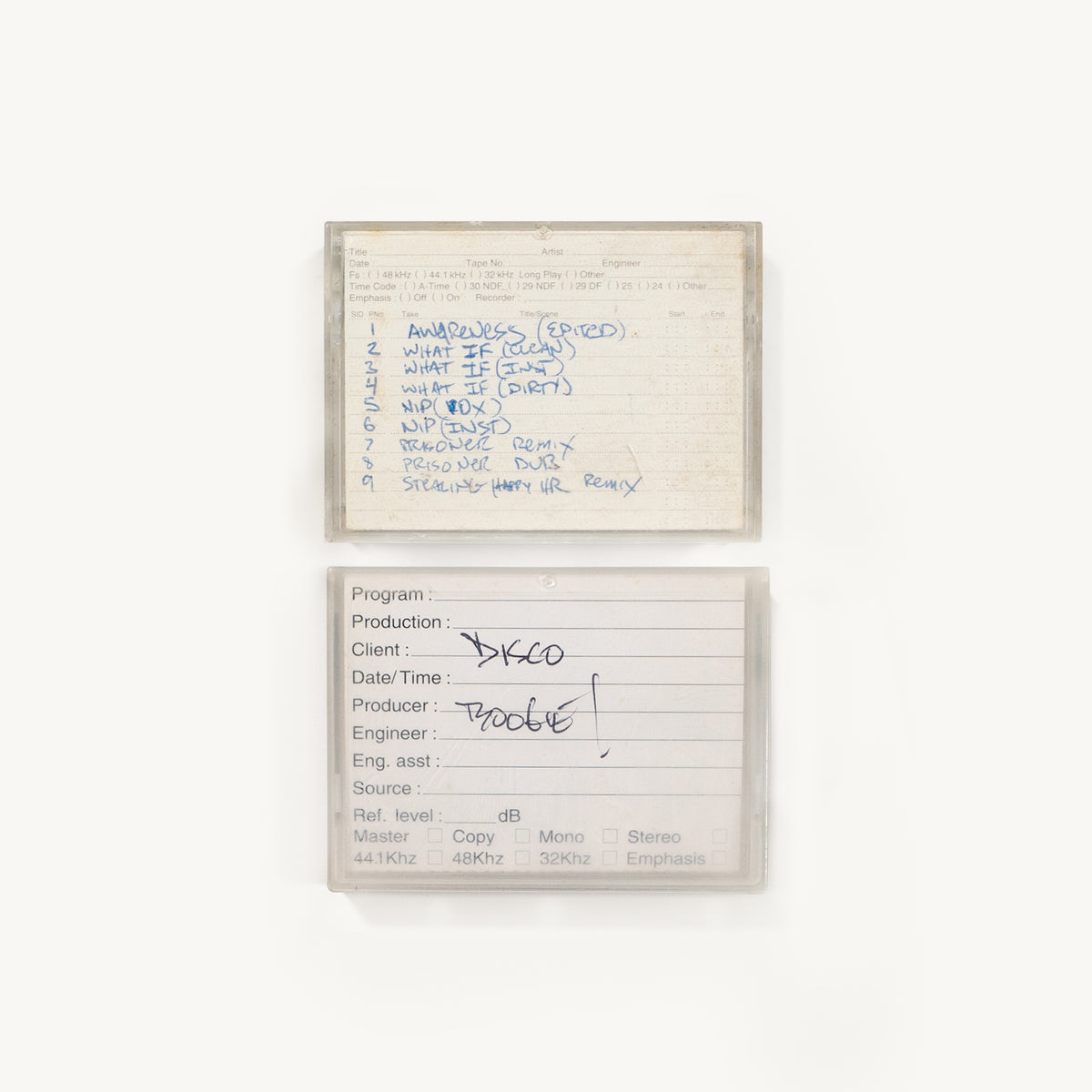
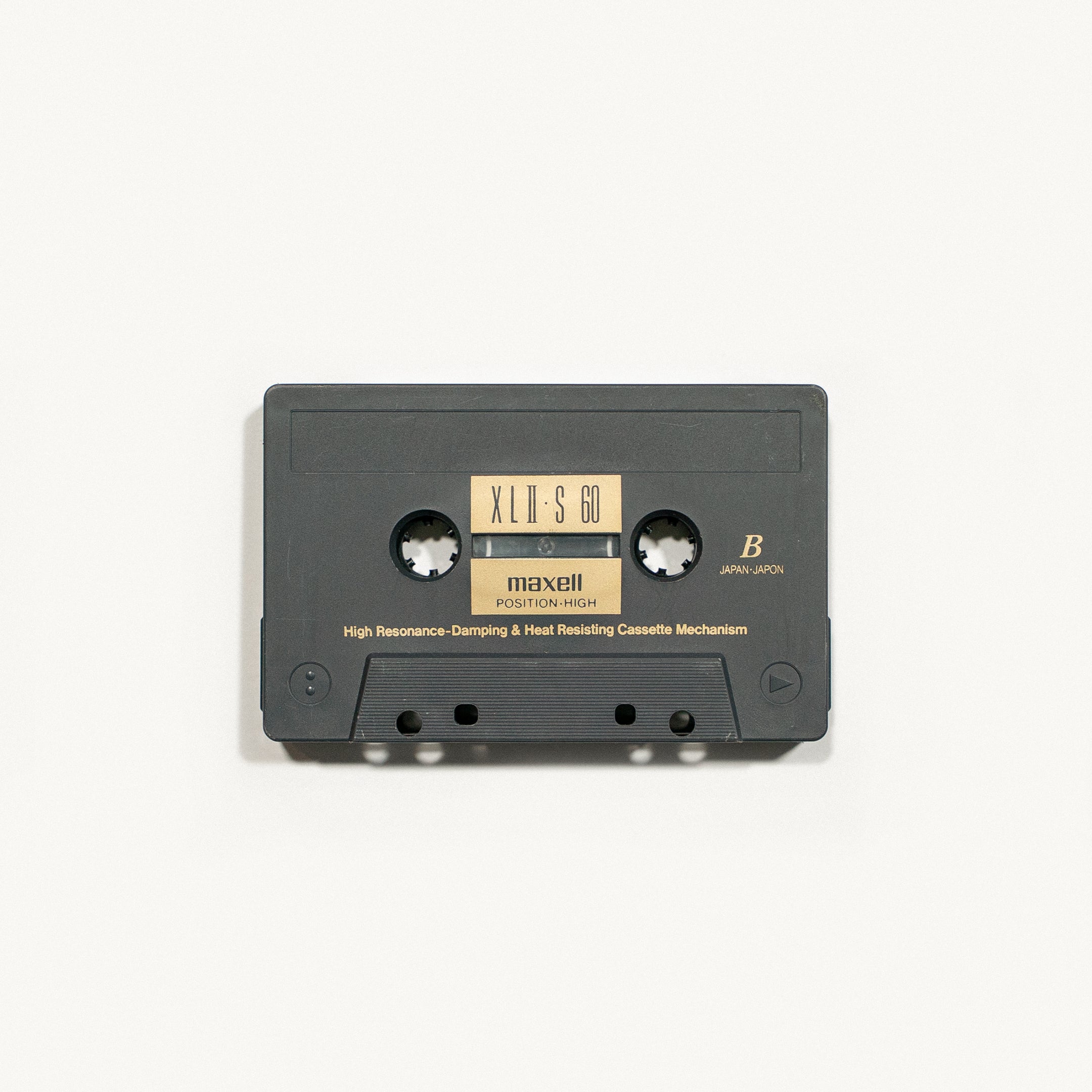
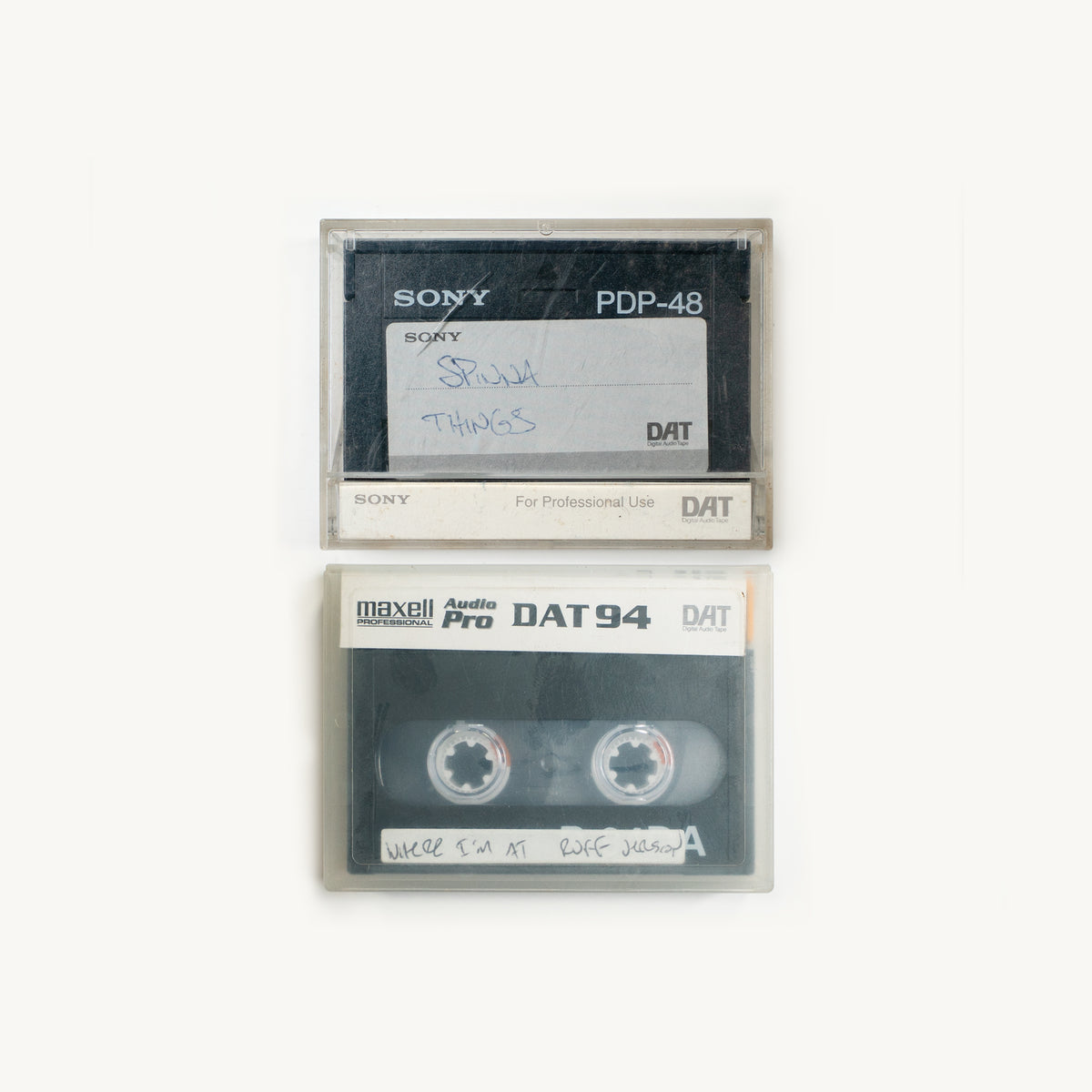
Unreleased DATs (Jigmastas, 311 + Spinna Disco Mixtape)
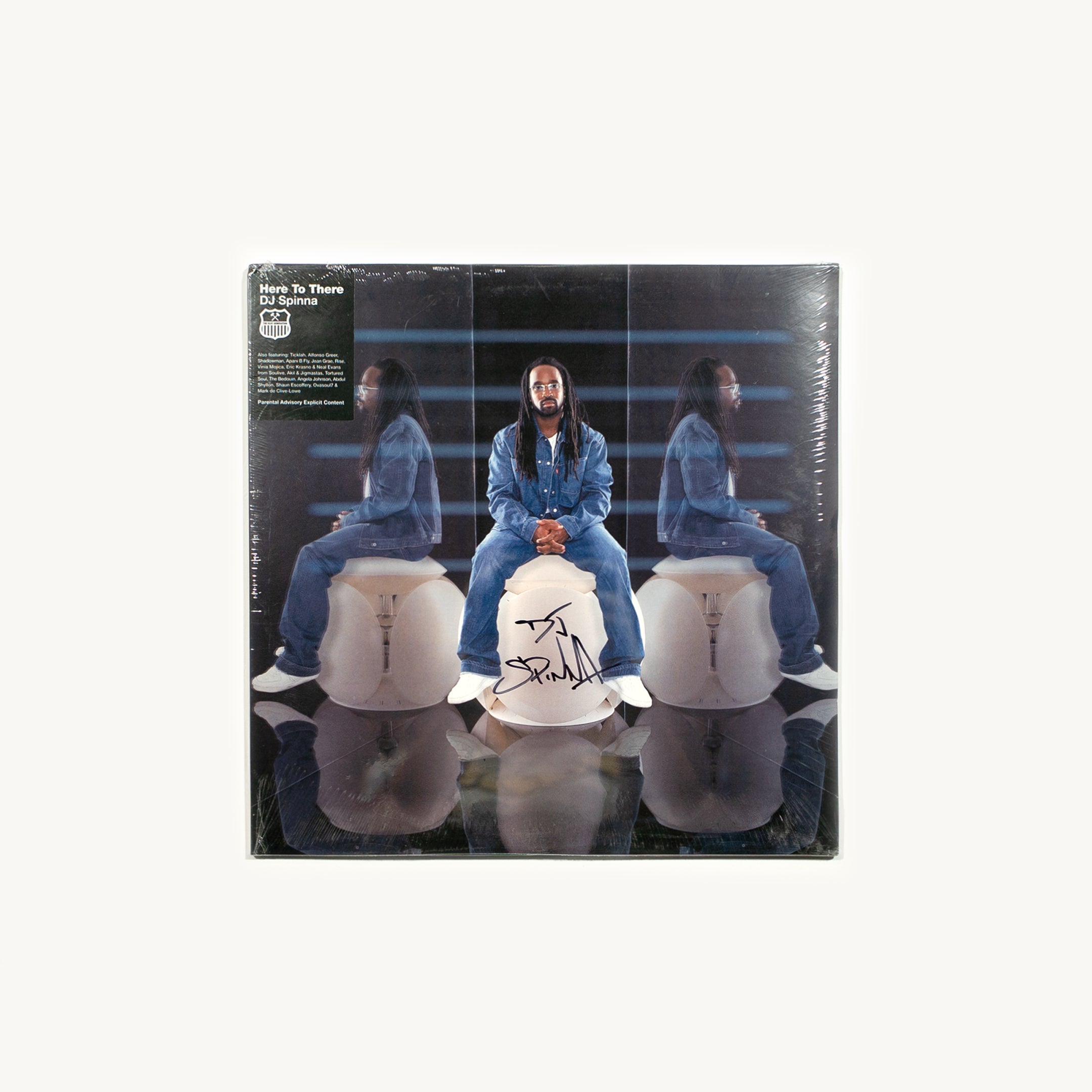
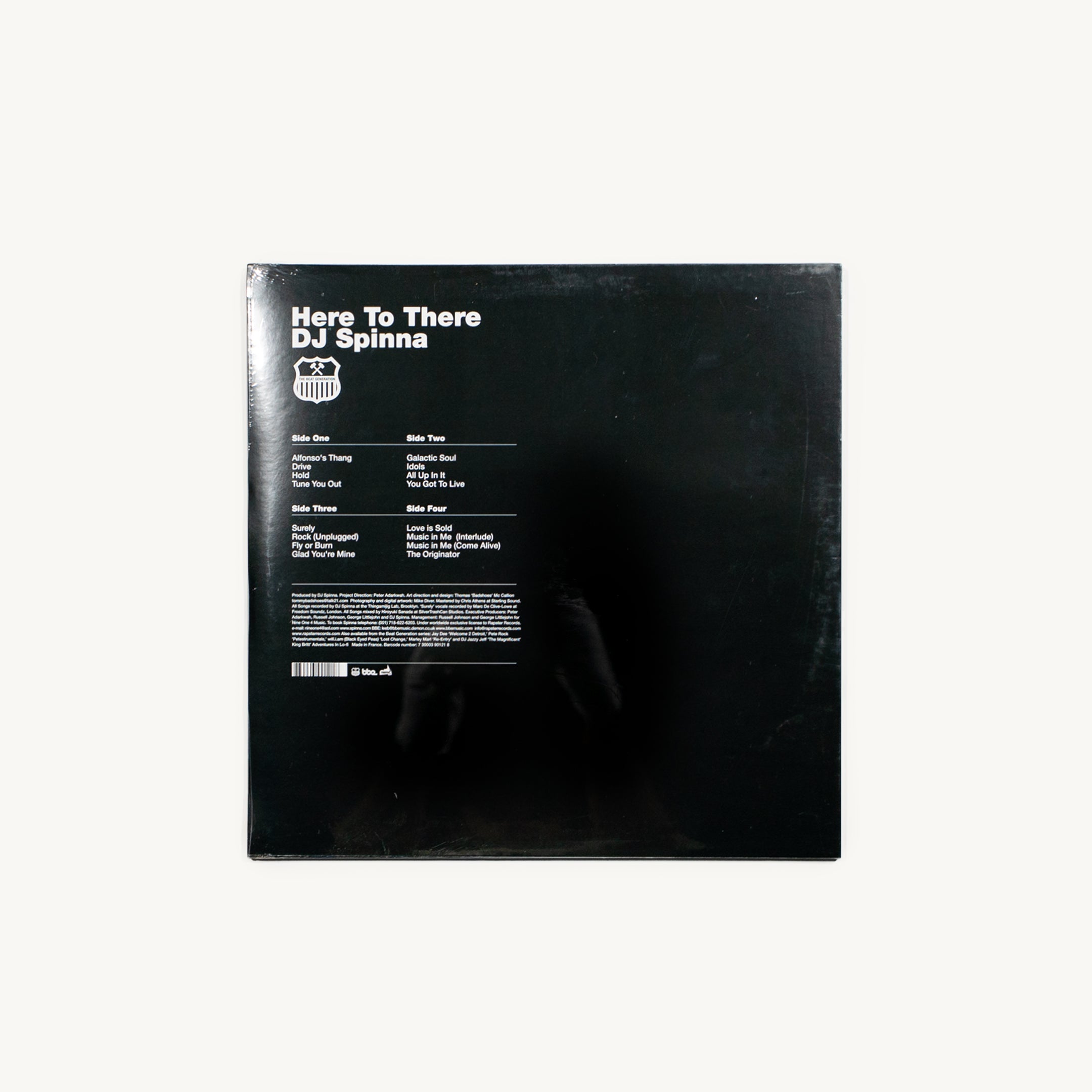
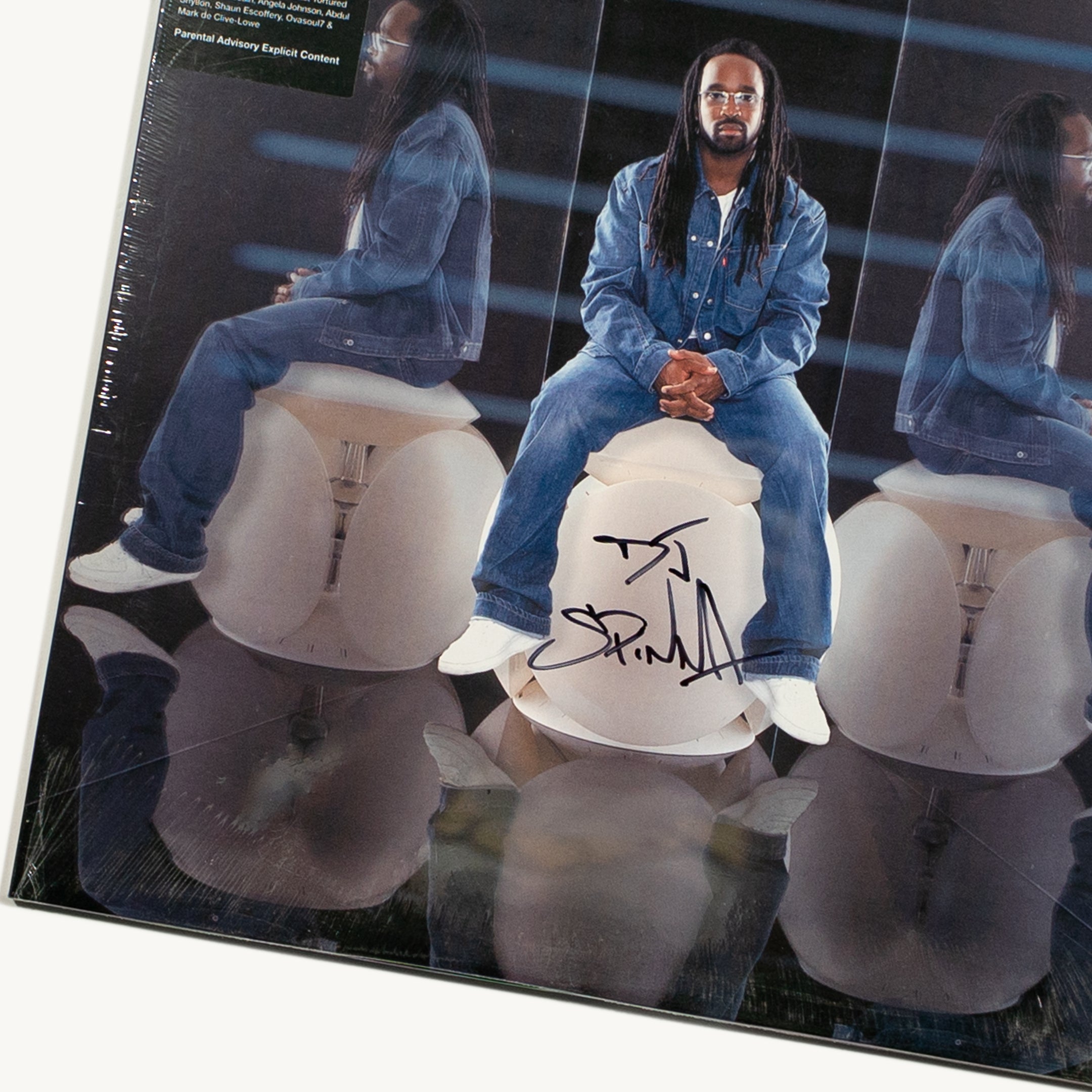
Signed + Sealed 'Here to There' Vinyl
1990s
Jigmastas form in Brooklyn
DJ Spinna co-founds Jigmastas, whose independent releases become touchstones of East Coast underground rap and put his production on the map.
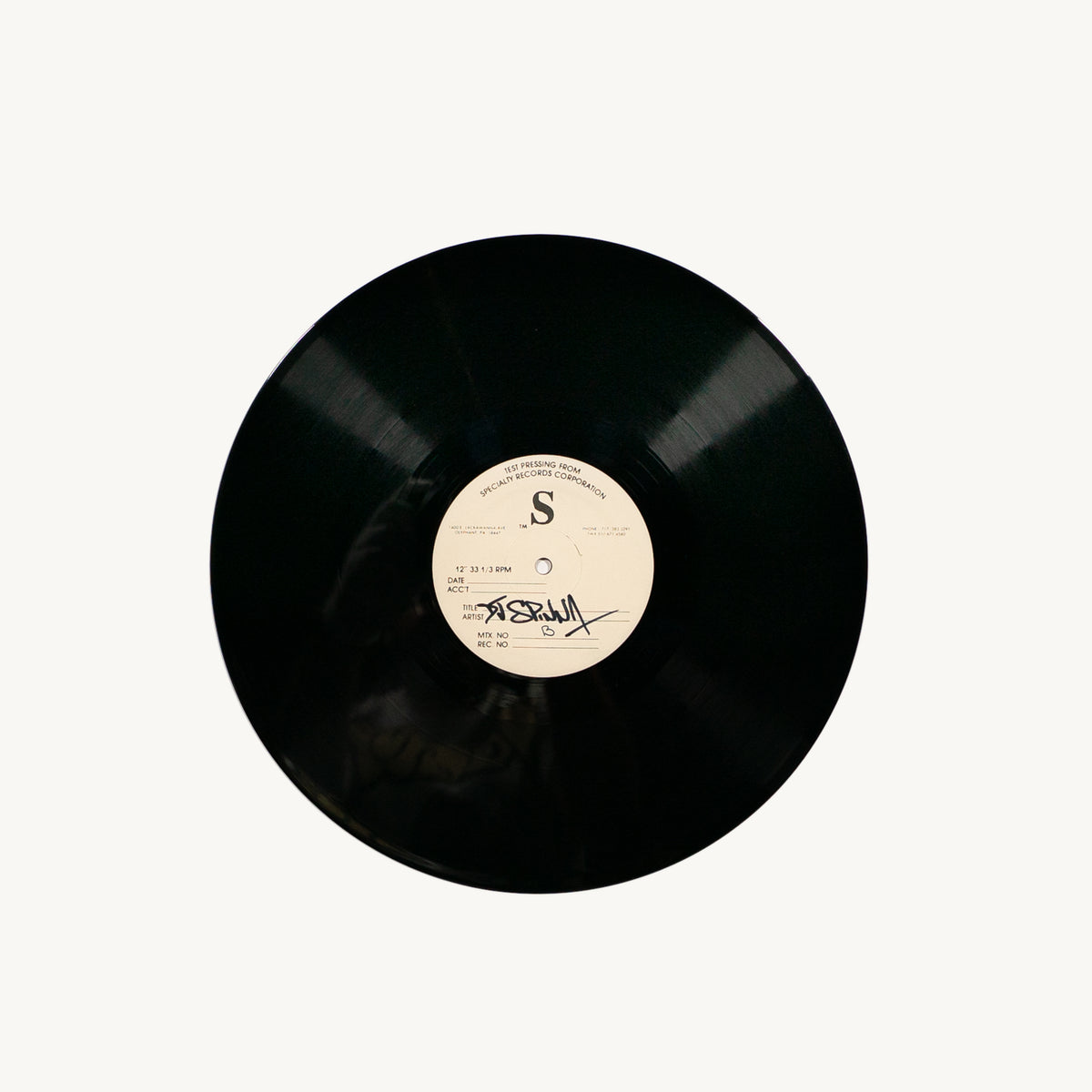
1996
Test pressings, acetates and deal tapes
Demo tapes cut for EastWest, instrumental acetates and one-off test pressings — the working documents of a young producer, most of which never saw release.
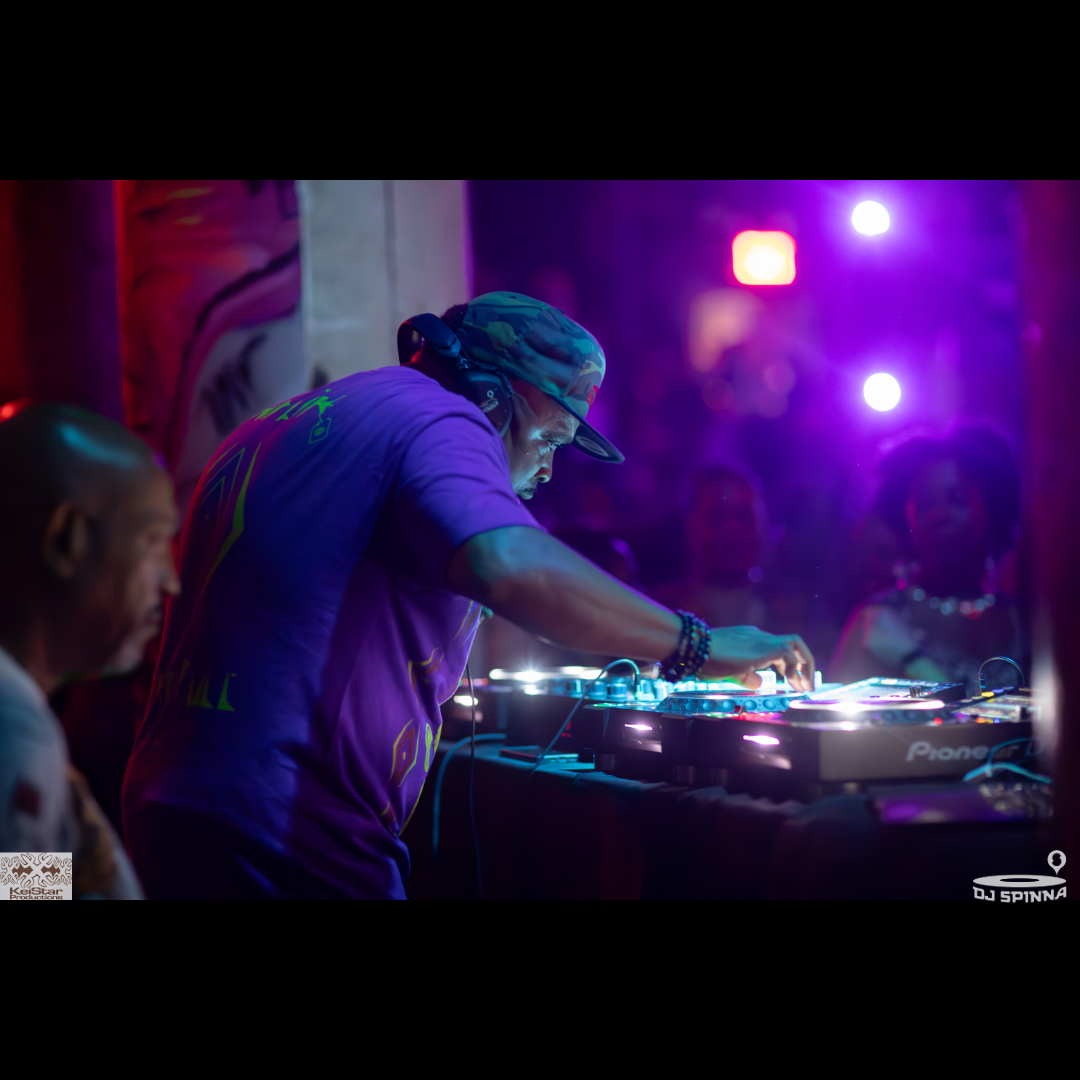
LATE 1990s
Wonder-Full begins
Spinna's long-running tribute to Stevie Wonder starts in New York and goes on to tour internationally, built on deep cuts, remixes and rarities.
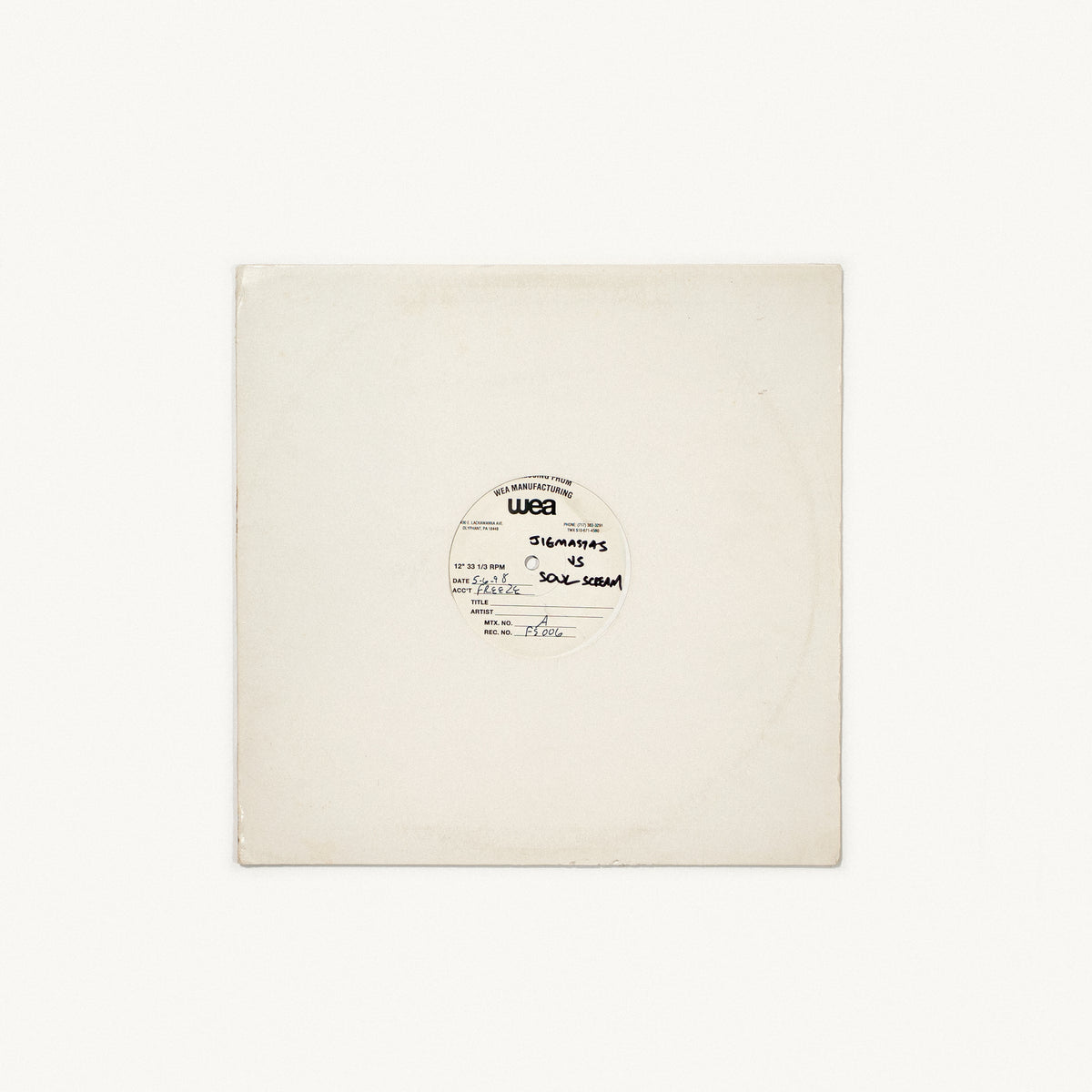
2001
Grass Roots: The Prologue
The Jigmastas album lands, cementing the duo's place in New York's conscious rap circle alongside Pharoahe Monch, Mos Def and Talib Kweli.
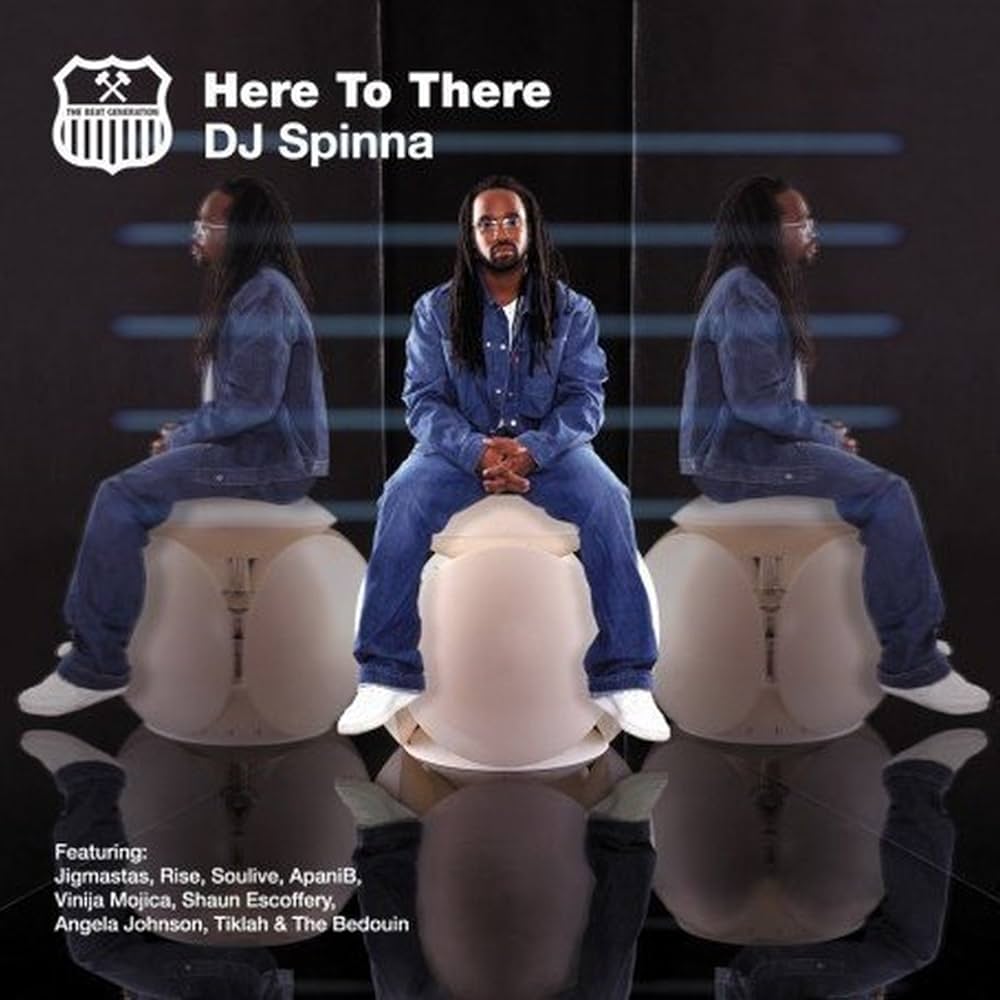
2003
Here to There arrives on BBE
Spinna's solo record joins BBE's Beat Generation series next to J Dilla and Pete Rock, with Jean Grae, Apani B Fly, Vinia Mojica, Shaun Escoffery and Angela Johnson.
2016
Resurgence
Jigmastas return with a record that trades classic boom-bap for something more refined — proof the partnership never really stopped.
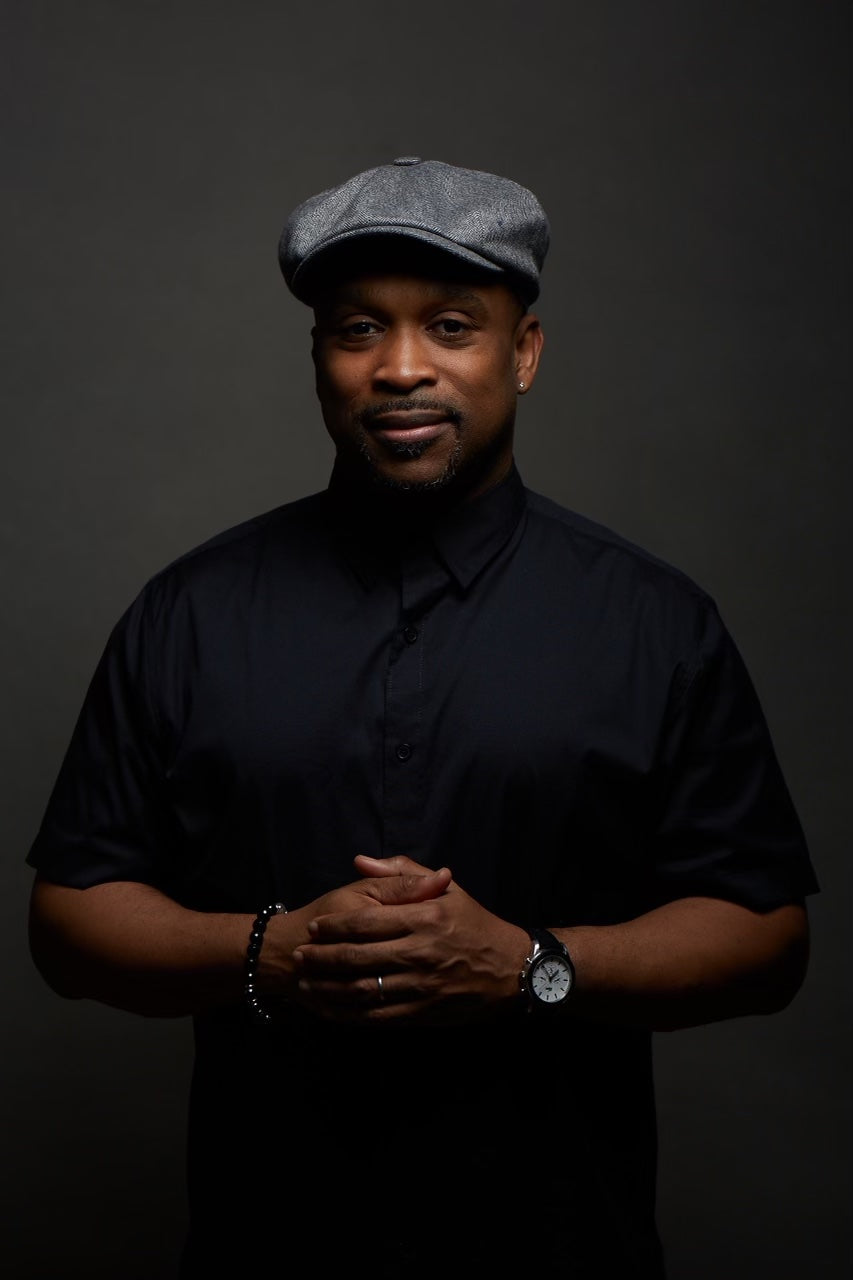
A huge part of Spinna's catalogue lives in other people's records. He has remixed across genres — Stevie Wonder, Mary J. Blige, De La Soul, Eminem — turned Shaun Escoffery's Days Like This into a worldwide dance floor record, and revived productions from Roy Ayers, Donald Byrd, Betty Carter, Al Jarreau and Eddie Kendricks. In 2001 Motown handed him a Michael Jackson remix. The pieces in this collection are the other side of that work: the machine, the tapes and the pressings it came out of.
Brooklyn's Own: DJ Spinna embraces his block party roots
BY JOSH POWERS - WAX POETICS ISSUE 23
DJ Spinna keeps his schedule full. An internationally respected DJ, producer, and owner of two record labels, Spinna (aka Vince Williams) has worked with some of the top MCs in hip-hop, and his expansion into broken beat and house ensures that his production isn’t limited to any one style. He’s remixed legends like De La Soul, Betty Carter, and Michael Jackson (to name but a few), and along the way he’s amassed some of the deepest crates in the world. He speaks to Wax Poetics about his current project with Polyrhythm Addicts, the annual “Wonder-Full” party, and how he reps BK to the fullest.
Born and bred in Brooklyn, right?
Brooklyn is the biggest melting pot—it’s important to mention that. You can travel the world and not experience the culture that you do here in Brooklyn. There are so many things about Brooklyn that mean so much. And on the music tip, the block parties—really any social event—meant that music would play a significant role, and that’s where I got my influences. I was that kid hovering around the DJs, watching every move and thinking, “Some day, that’s gonna be me.” That’s what Brooklyn means to me. And you know there are parts of Brooklyn that are safe and some that aren’t, and all of those elements go into my person. When they say, “If you can make it in New York City, you can make it anywhere,” they’re really talking about Brooklyn!
What DJs and records were important to you coming up?
In my hood, there was a crew, the Laser Rock Crew, and they had a sound system. They played disco, reggae, and breakbeats. I remember 12-inches of “Big Beat,” “Rocket in the Pocket”—you know, the ill disco classics. “Situation” by Yaz, “Good Times,” “Super Sporm,” “Dance to the Drummer’s Beat,” all the street classics.
Then there was the World Famous Supreme Team Show, which aired on WhBi during the week, but it used to come on at like two or three o’clock in the morning, and I would actually have to sneak to listen to them. The first time I heard “Last Night Changed It All” by Esther Williams and “Impeach the President” by the Honeydrippers was on this show. This was like ’81, way before “Buffalo Gals” came out! They were ahead of their time. A few years later, Shep Pettibone on Kiss-fM, Latin Rascals, Red Alert, Chuck Chillout, and Mr. Magic radio shows were major. Also, Frankie Crocker (riP) on WBLs could go from Bob Marley, hip-hop artists like De La Soul, Das EFX, and MC Eiht, a lot of these singles were B-sides and didn’t get the notoriety that they should have gotten, because of their low profile. It wasn’t really until the things that I feel I’m most respected for—Polyrhythm Addicts, J-Live, Jigmastas—came out, because they were independent records, and they were fullon releases that got publicity, but were still underground records. So I have pretty much remained underground all these years because I haven’t really worked with the major, major artists. I always wanted to remain specialized, so that anybody from the mainstream world that sought me out, they’d have to get me the way I am. I wasn’t really trying to make keyboard, corny-sounding commercial beats. I want to make soulful, chop-up-the-drum-break, traditional, real hip-hop beats. And I’m still down to do it, but I have so many things going on musically, that I’m not really dependent on that route. However, I have been hitting the beats harder than I had been in recent years. Part of that inspiration comes from Dilla’s passing.
What did Dilla mean to you?
Dilla was the undisputed beat champ, the only producer that really kept me on my toes. Even a year after his passing, I’m still scratching my head like, “Huh?” After learning of how hard he worked while he was ill makes me feel like a lazy bastard. [laughs] Once you’re aware of how he destroyed records, you realize the man was really from another planet. Knowing him is a blessing.
Japan seems to embrace and support you on all fronts. Do you notice a difference in the reception you get there and the one you get in the States?
You know what, man? I think it was a review on the “Microphone Master” remix that I did, with the help of Mr. Joc Max, of course, that said, “Look out for this guy.” This was, like, ’95, and they seemed to know something that a lot of people didn’t. All I can say is that I’m blessed, and I’m fortunate that it’s happened that way, because you just never know what people are going to like. I’m lucky; I’ve been to Japan close to twenty times in seven or eight years, and they’ve hung on whatever direction I decided to go. What’s going on with Jigmastas right now? We’ve been on hiatus for a while due to “grown folks” commitments. Krim has an album worth of beats that he’s been vibing on, and we’re in the process of working on the new album.
Tell me about the Polyrhythm Addicts album.
Well, after an eight-year hiatus, Mr. Complex and I decided to reform the group. The long gap was attributed to a few things like Shabaam Saadiq doing a bid, Apani relocating to Japan, and myself venturing off into other genres of music. We really just felt like the timing was right. There’s a whole generation of hip-hoppers that are in search of quality boom-bap material. I personally took a long break from the hip-hop world, only having productions for a few cats like Sadat X and Masta Ace over the years. I was really annoyed with the scene on a whole—both on the underground and the mainstream level. But I care about the culture too much to abandon it. If things are going to get better, it only makes sense that I’m part of the evolution, because I understand I’ve been buying records since I was eight years old, and I’ve been fortunate. And it turns out that over the years a lot of records that my father bought me have become big DJ/collector pieces that are difficult to find now—like the instrumental of Jimmy “Bo” Horne’s “Spank.” Impossible...
But you’ve got it.
[laughs] I got it. I’ve been lucky. You do reach a point where you don’t have to dig, but that never really stops if you love the music. There’s always something out there that you want, or need extras of. It never stops! I’ll be diggin’ when I’m gray!
Tell me about your association with Kenny Dope and his Sure Shot label.
Well, Kenny created Sure Shot to be an outlet to put out instrumental beats—break loops and dance-floor hiphop. Somewhat familiar, but flipped. Things for the DJ to rock or put a cappellas over. When I did mine, I had a different vision. I kind of flipped it a bit more than the average. I chopped up “Daisy Lady” [by 7th Wonder, 1979] and called it “Daisy Crazy.” And I created another name: I called myself Chop Master Flop. [laughs] It’s just trying to put something out there that’s different.
And the flip is “Sweetie Pie” by Stone Alliance. “Peetie Swie” by Chop Master Flop. And the series is a piece at a time, with some of the top producers in hip-hop?
He has joints from Jazzy Jeff, J-Rocc, Prince Paul, Cash Money, Juju from the Beatnuts, Joc Max—a bunch of dudes. It seems that overall you’re better known as a DJ than as a producer, which is wild given the MCs you’ve worked with.
Why do you think that is?
In the beginning, when I did remixes for major-label hip-hop as a culture, and I know where things should be. Anyway, I feel great about this album. Plex and Shabaam are spitting on it like we never stopped recording together. But watch out for Tiye Phoenix. She’s the newest member, and she’s dangerous! Definitely the star of the show. We even have a reappearance by Pharoahe Monch and a collabo with Phonte from Little Brother. That track [“It’s My Life”] was produced by my man Joc Max.
You’ve done a lot of remix work for labels like Blue Note and Verve. Do you enjoy remixing those types of things in the same way you’d enjoy creating something new, or are there different pressures involved?
There are different pressures, because depending on the nature of the song, in its original context, you can either go the route of changing the direction totally by creating a whole new track with the vocals, or staying close to the original by just expanding the original elements of the song. An example of both routes is displayed with the Blue Note and the Verve things, because with the Betty Carter [remix, “Naima’s Love Song], the only thing I kept was her vocals, and I had a whole new broken-beat track under her vocals. With the Donald Byrd [remix, “Lansanna’s Priestess”], I used the session musicians—I had the drummer, the keyboard player; I used Donald Byrd’s horns, obviously, but what I did was I flipped the outro, changed the groove totally. I kept the drummer, changed the bass line—had Jonathan Maron from Groove Collective come in and change the bass groove. Had keyboard player Selan come in and change the keys for the last section of the song. I felt that by doing that I was taking it to another level, but still keeping the integrity of the musicianship that was there from the beginning. It’s almost like I wanted to make it seem as though this remix could have been done back in the original session, with the original players. That was my goal.
Talk about the Michael Jackson remix, “We’re Almost There.”
Soul Source is this company in Japan that does a lot of specialty reissue series—they’ve done Jackson 5 and Michael Jackson; they’ve done Earth, Wind & Fire—where they get the master tapes and they solicit it to different producers, mostly Japanese producers, and give them the opportunity to flip a mix, and I was one of those lucky persons who got called on for the Michael Jackson project, which really was a Jackson 5 project; they just happened to put “We’re Almost There” on this project.
Was it more difficult because MJ is a figure of such historical proportions?
For me, no, because I had a general idea of what I wanted to do from out the gate. As soon as I was told that I could get those parts, the master for that song, I had a basic idea, ’cause I knew there was a break that needed some work—it could be extended, could be a lot more exciting than it was on the original. But the fact that it was MJ, of course, that was very special. And on the actual master tape, there are voices at the beginning of the song, and I think Michael—it even sounded like it could be Janet in the studio—there’s a young voice that says something in the beginning of the session, before the track actually starts, and I was like, “Whoa, this is crazy.” It’s all these little things like that, even the countdown to the song—one, two, three—and the drumroll starts and the beat comes in. It’s like, this is what I want to hear, all the stuff that didn’t make the cut.
Did you ever get any feedback from MJ or his camp? No, not at all. Nothing. I don’t even know if he heard it. Your residencies are the stuff of legend, especially the Stevie Wonder night you do with Bobbito...
The party is actually called “Wonder-Full.” It’s a yearly event we do in New York around his birthday. The party started in ’99, and we’re coming up on ten years! It started really small—capacity was like maybe a hundred and fifty people in this club on the Lower East Side, and then Keita from KeiStar Productions took it to the other level, expanded it to what it is today—huge! We’ve taken it to Amsterdam, Japan, San Francisco, L.A. In 2005, Stevie called! He called during the party!
And he said?
I’ll play it for you. It’s crazy. His daughter was there, Aisha Morris, his firstborn. So he called Aisha, and I put the phone up to the mic, and then you heard Stevie saying hello over the sound system—and the crowd lost it. And on top of that, his wife had just given birth to his newest son. He actually called from the hospital! So it’s official now: the event has the Stevie Wonder stamp of approval.
How did he address the crowd?
He really just talked about love. How it’s a time for love. I mean, I know his [2005] album is called A Time to Love, but I think he’s really about it. He’s really about the notion that everyone should be lovin’ each other right now, because we’ve been through—and are still going through—world disaster, going through war. We’re going through all the negative attributes of a lifetime, and people forget about how to love each other. So that was his main thing for about five minutes while speaking to the audience.
I can only imagine what it was like when he was finished, the crowd’s reaction...
It was bananas. And actually as a result of all this, I received a phone call and a message from him requesting me to remix a track from A Time to Love. He called my crib from London! Still can’t believe that one.
Other than “Wonder-Full,” you have a couple of other regular parties.
Well, I do a James Brown party that’s also a more mainstream funk party where I’ll play Slave, Parliment-Funkadelic, et cetera—just the joints that rock the house. And I also do this Michael Jackson versus Prince party, “Soul Slam,” which is an amazing party. I go back and forth, almost making them battle each other, and I’ll play Mazarati, Sheila E., the Time, Jackson 5, Janet, Jermaine—anything Michael Jackson or Prince related. We do that party twice a year. And there’s my “Behind the Groove” party at aPt, which I do every first Monday of the month. As guests I’ve had Kenny Dope, DJ Scratch, Jazzy Jay, DJ Riz, Premier, Cash Money, Grand Wizard Theodore, Lord Finesse. In the near future, I’m trying to get Red Alert and Biz to come down and rock. .
THE SP-1200 — UNRELEASED TAPES — SIGNED VINYL
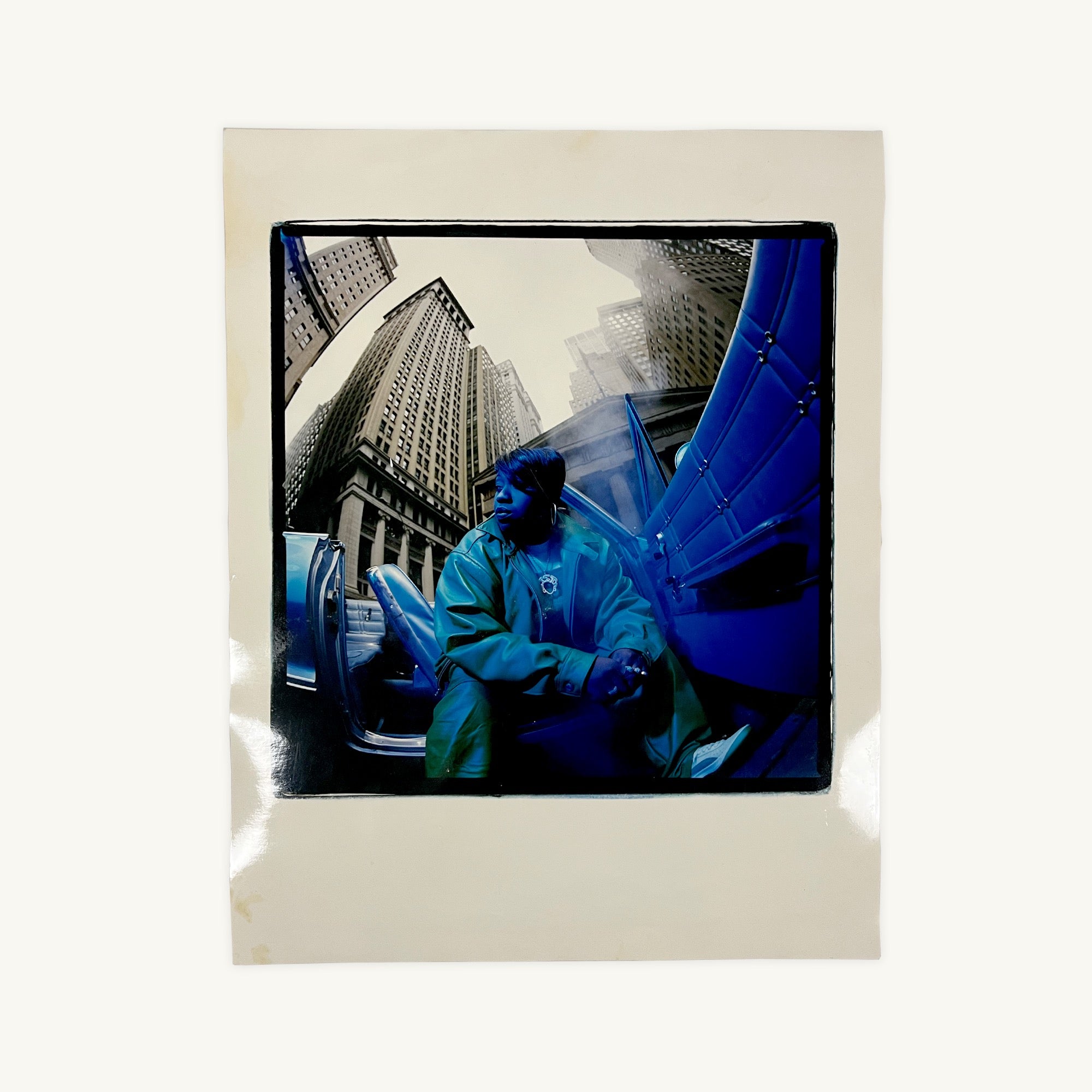
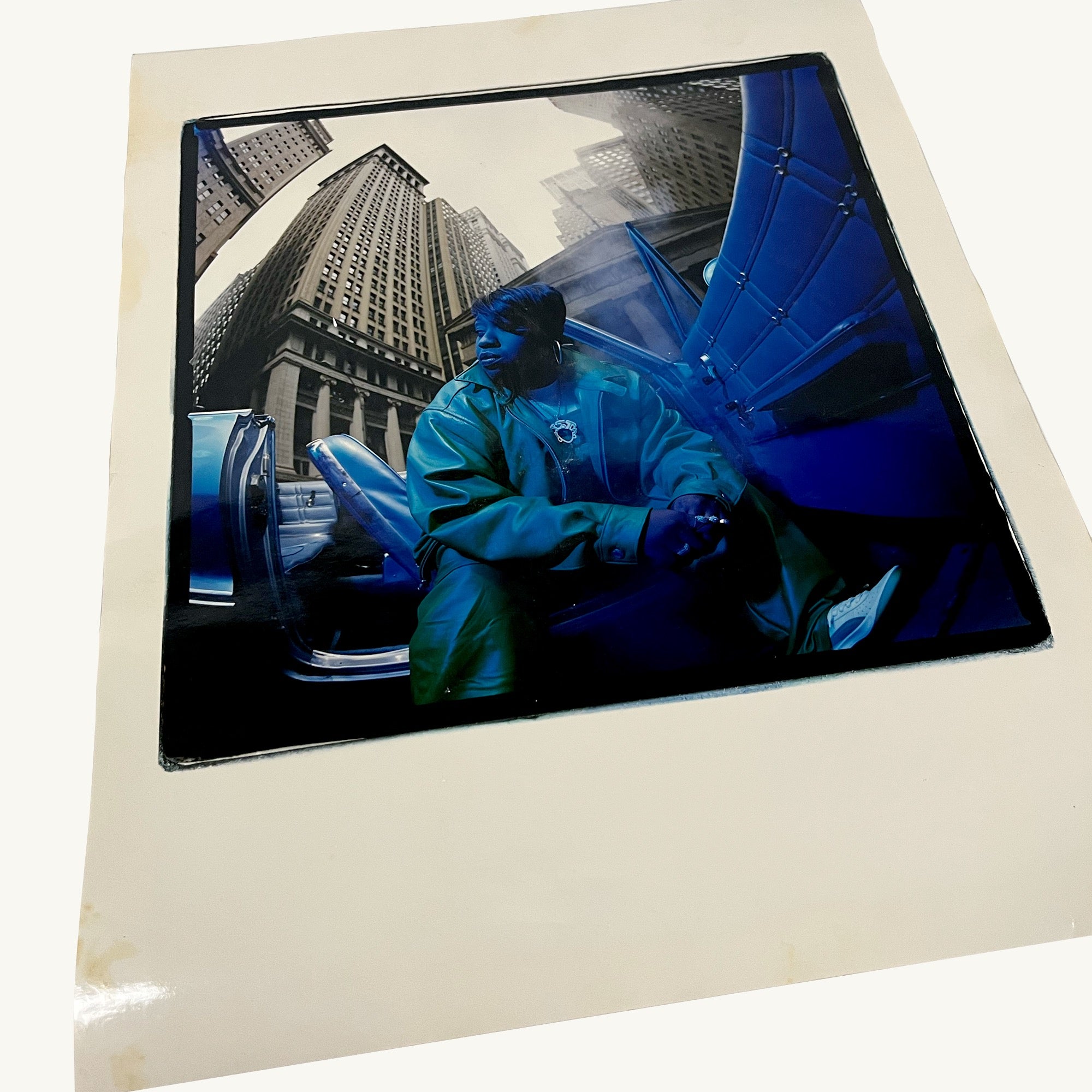
Missy Elliott - Original Promotional Photograph
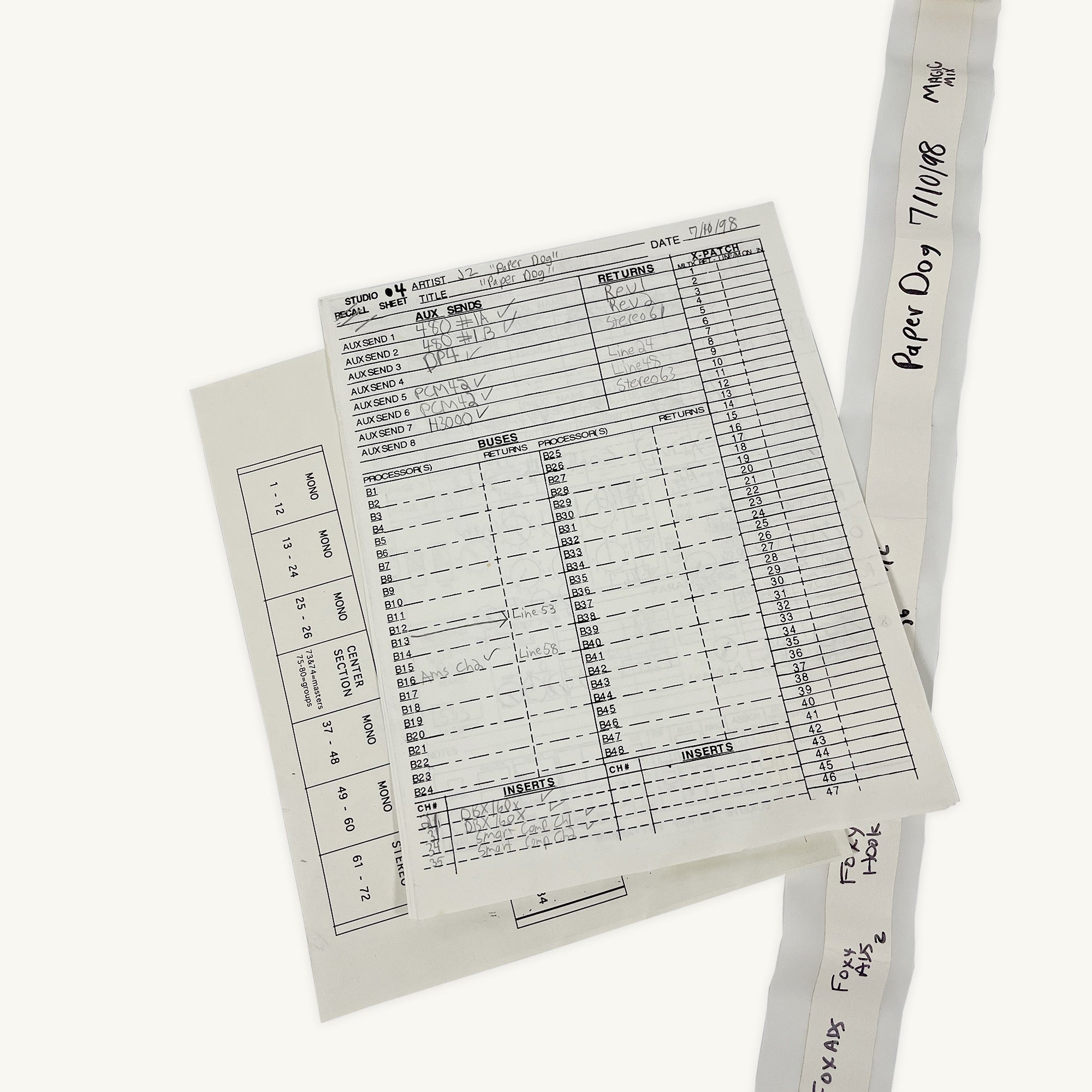
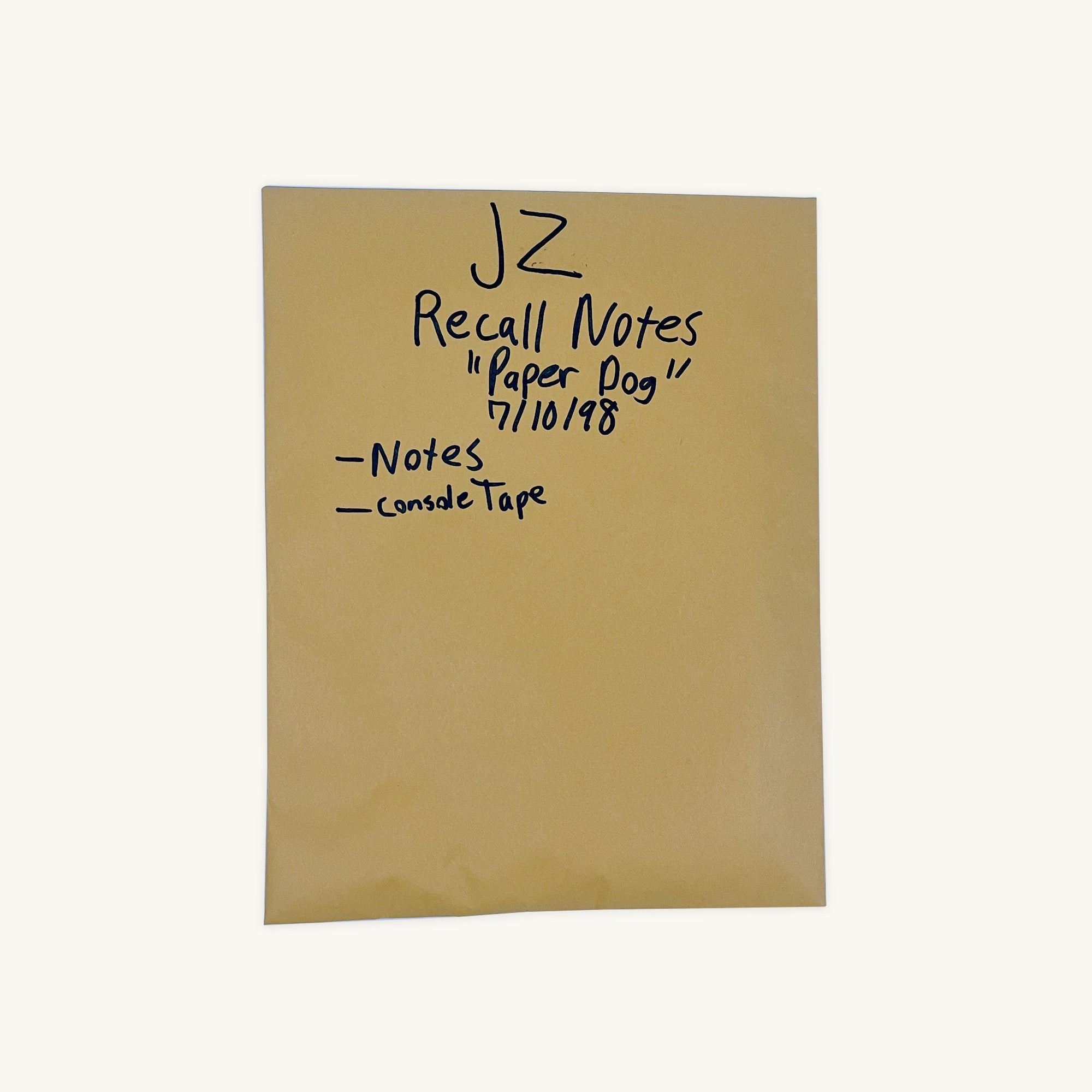
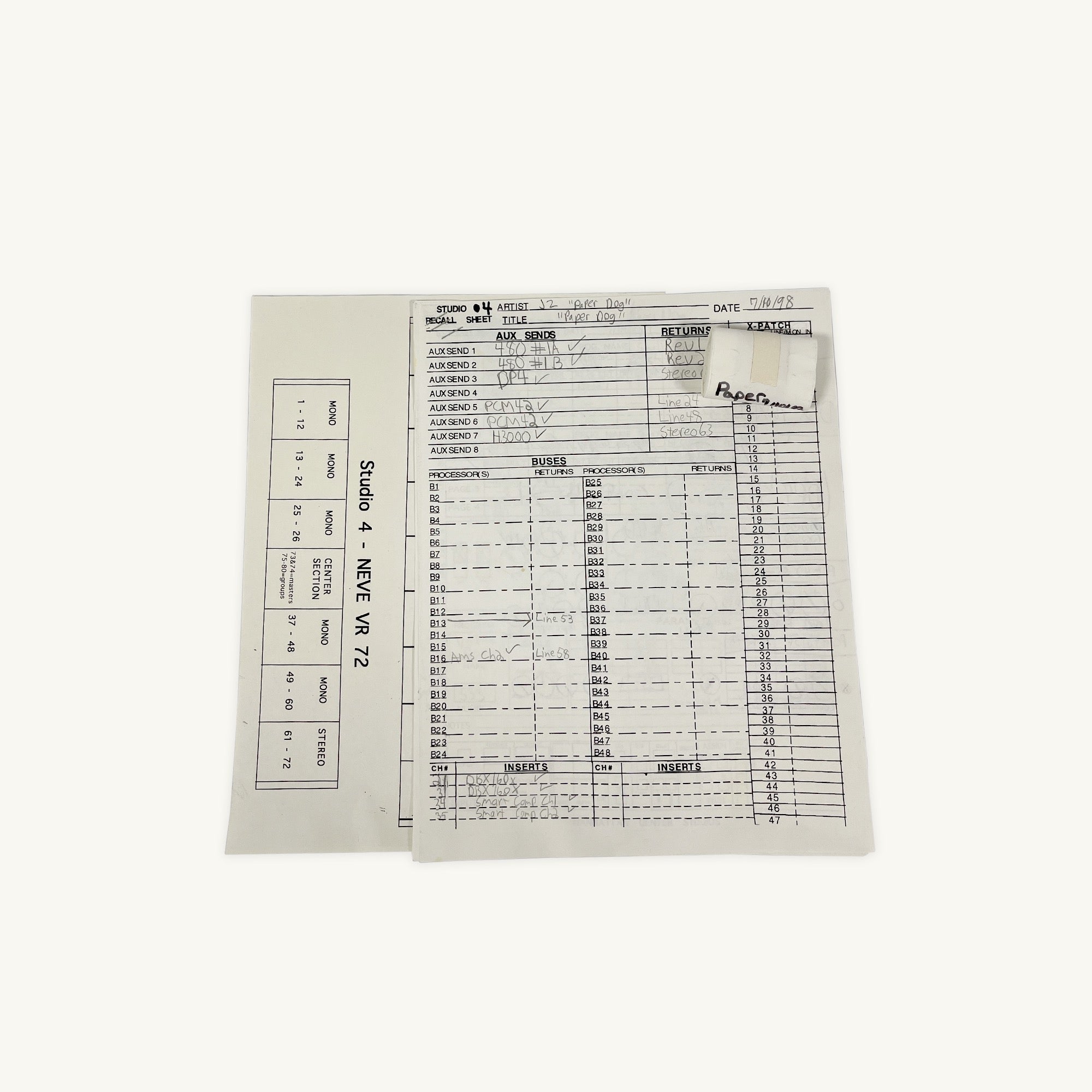
Jay-Z - “Paper Dog” Recall Notes and Console Tape (1998)

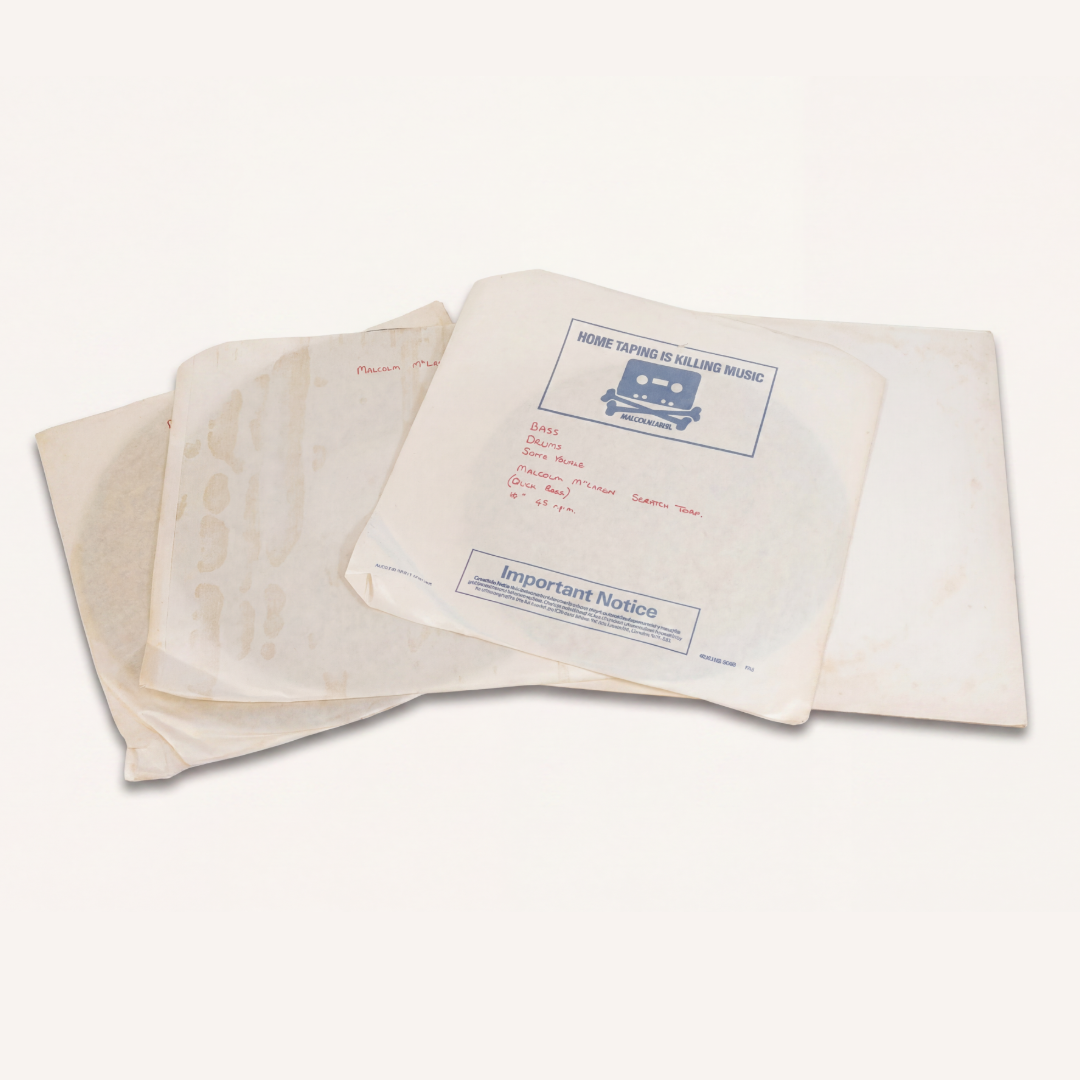
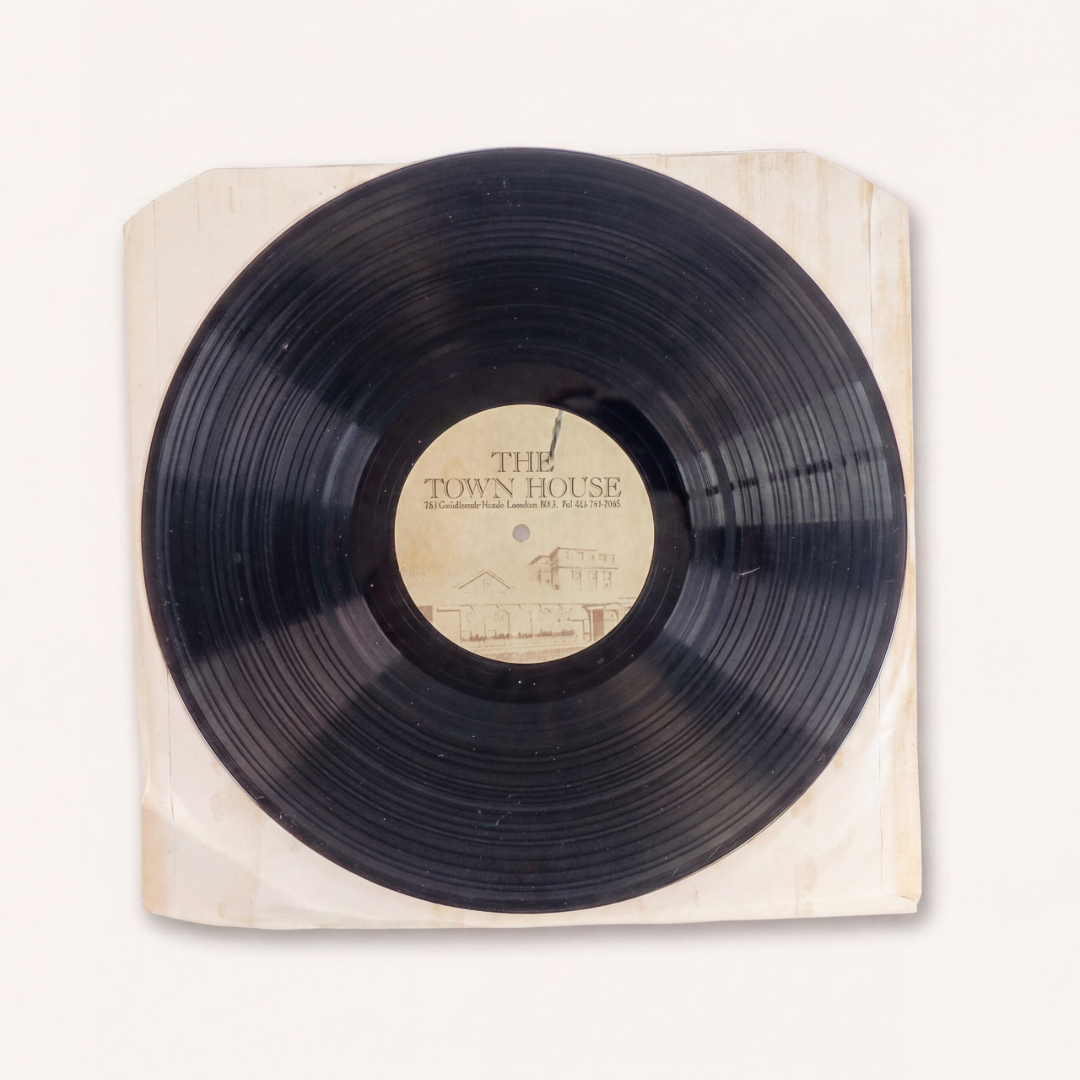
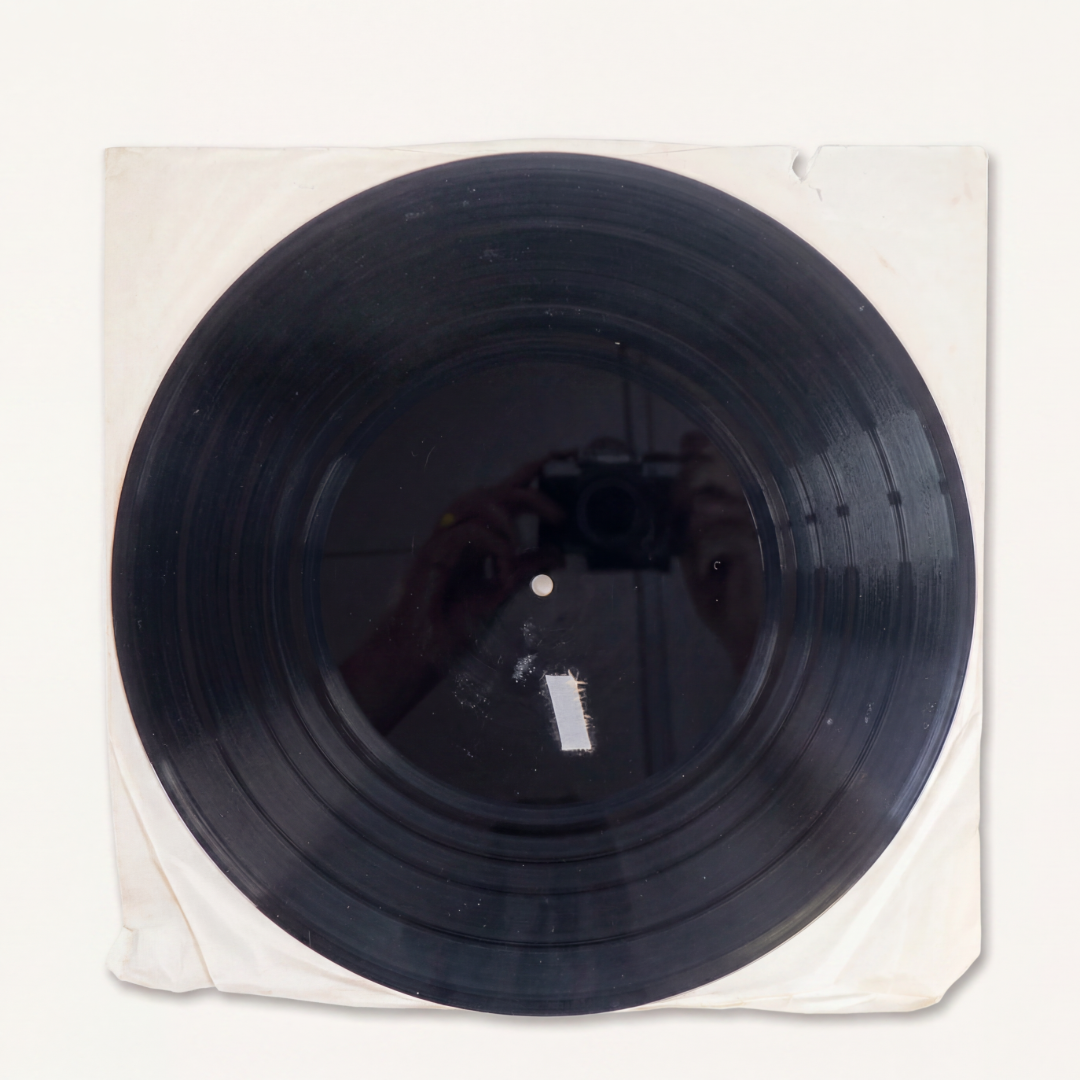
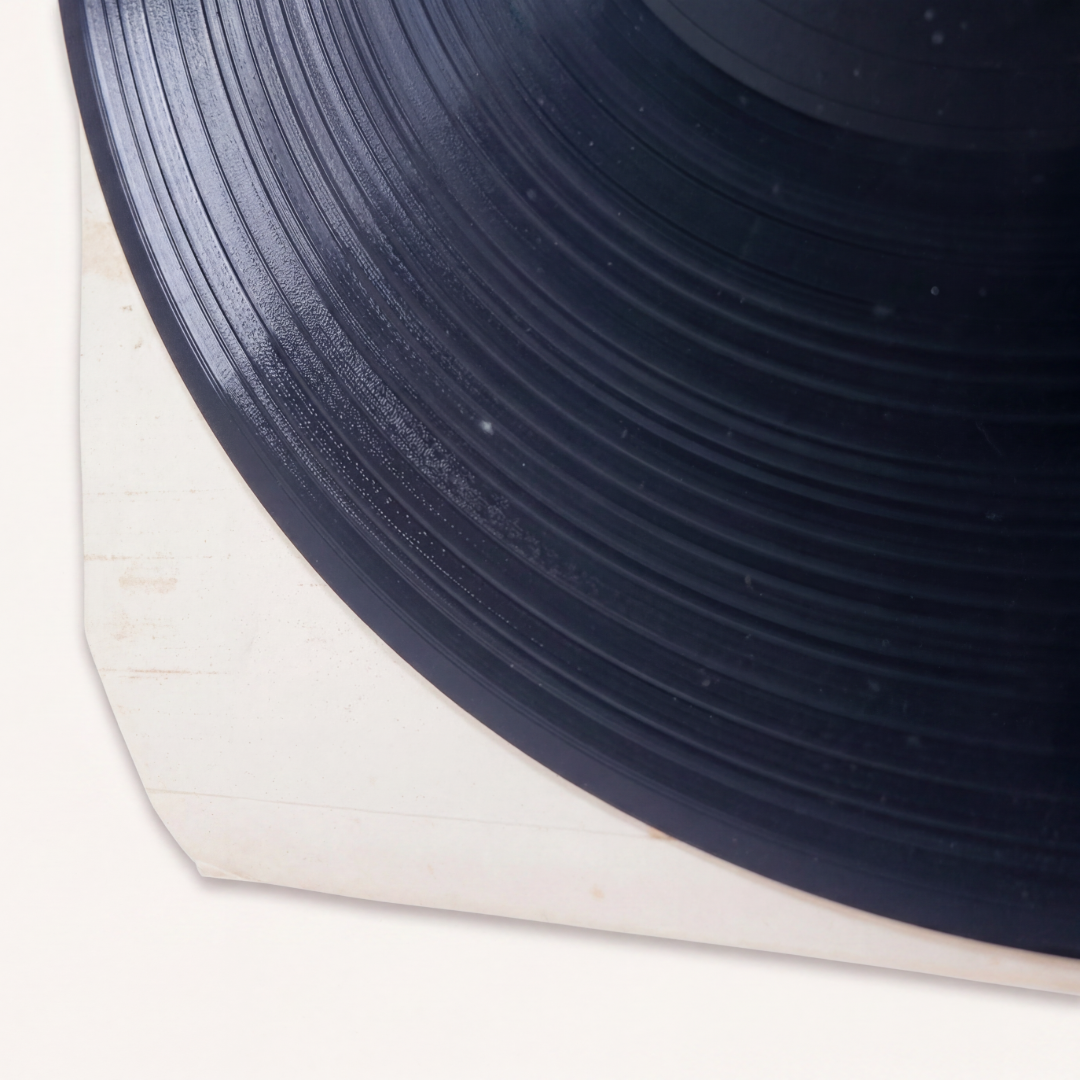
Malcolm McLaren - "Duck Rock" Acetates

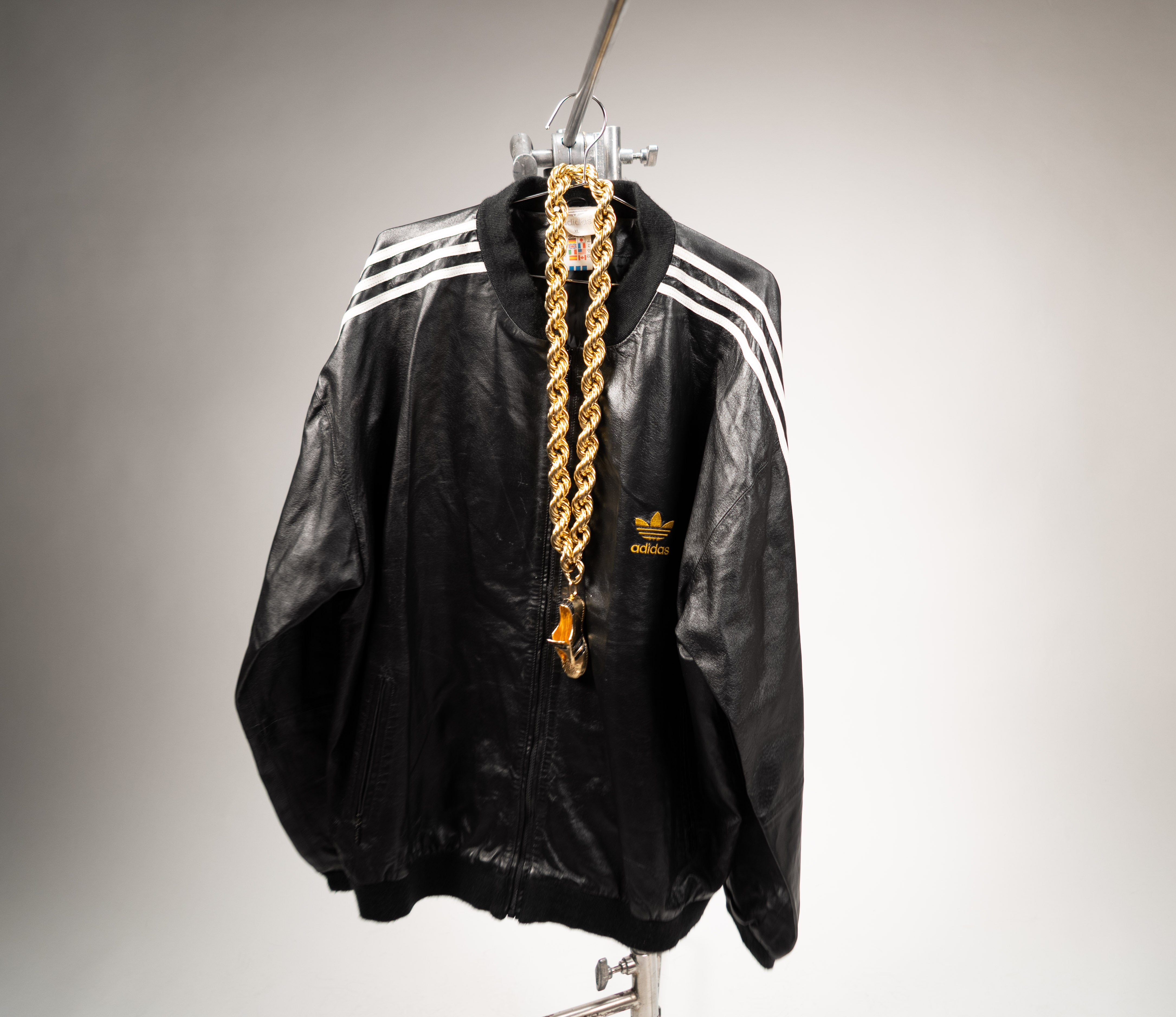


Jam Master Jay Adidas Leather Tracksuit - Rock & Roll Hall of Fame Exhibit Piece


Tupac Lyrics on notepad (framed)
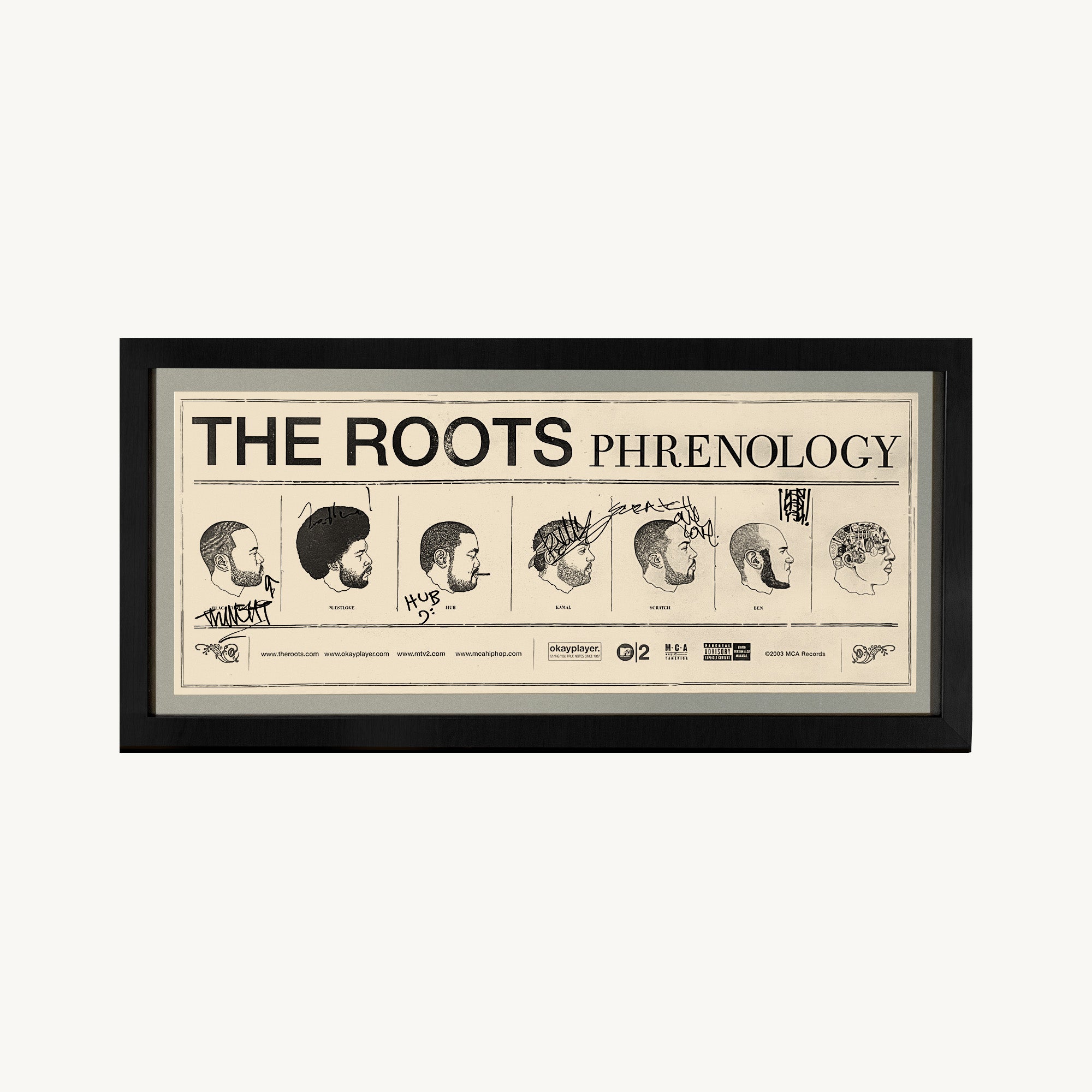
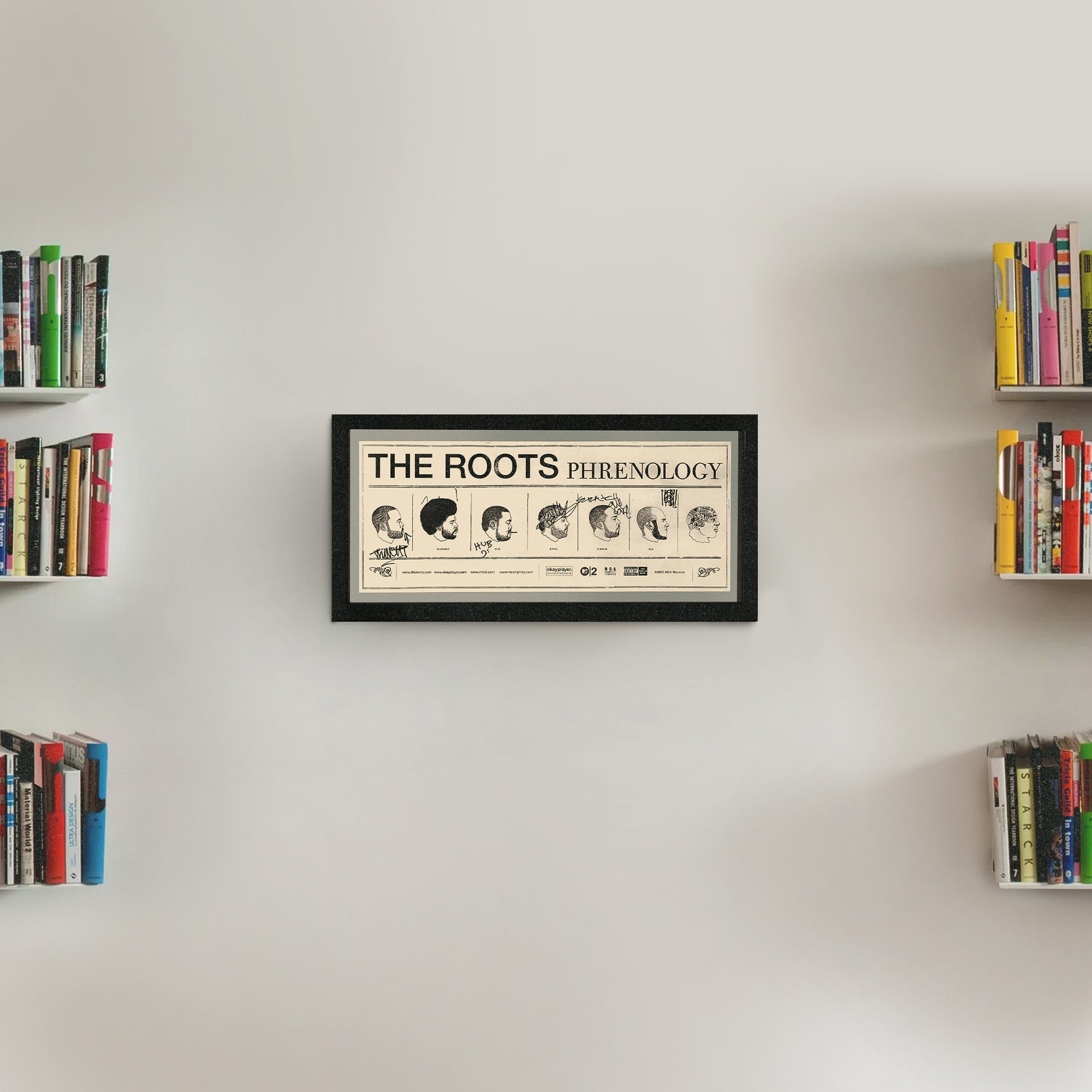

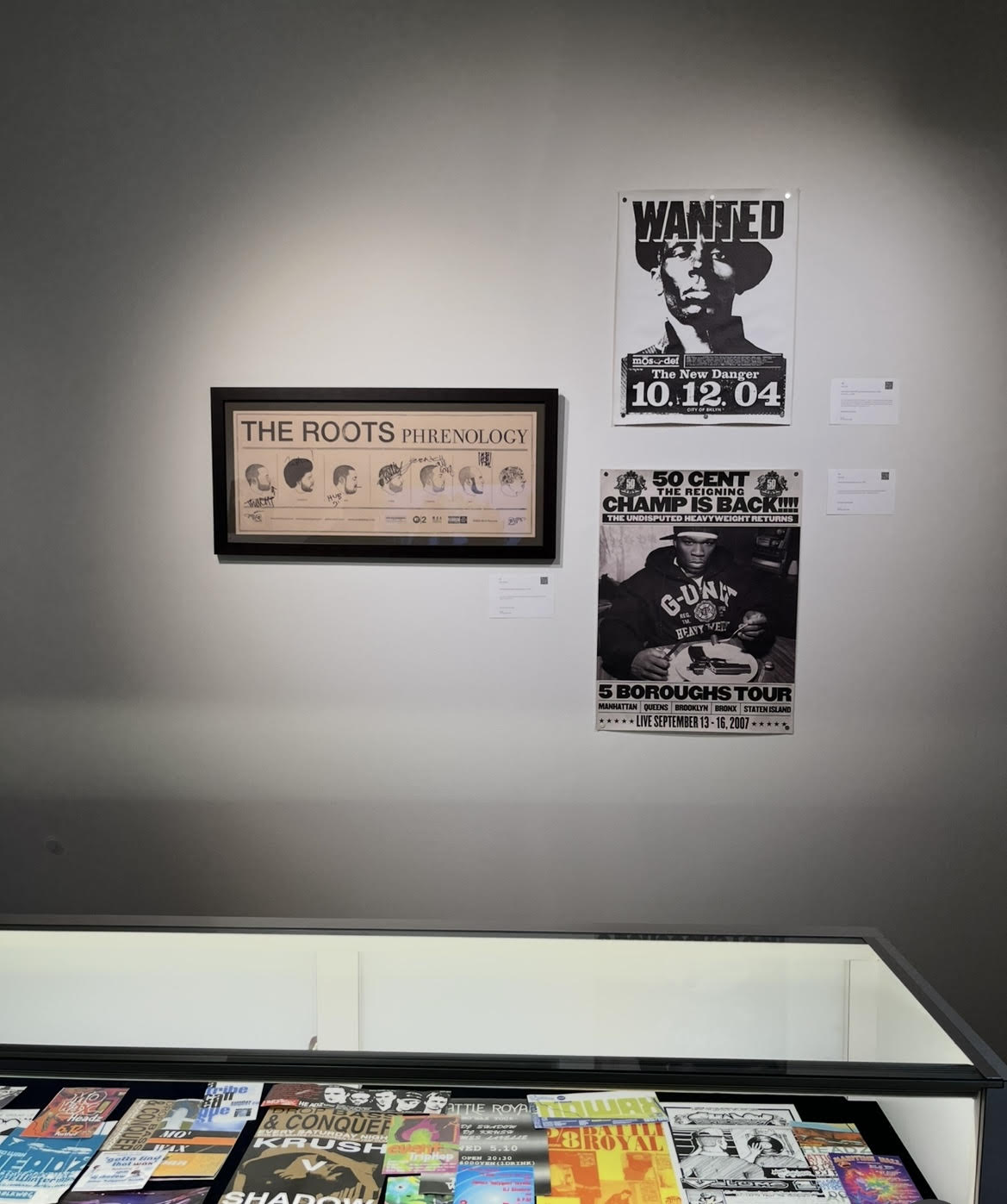
The Roots – Phrenology Autographed Limited-Edition Lithograph Print