


Nicky Siano’s The Gallery – Original Film Footage Archive with Rights: Four Betacam SP Masters, DAT Audio, and MiniDV (DuArt, 1999)
Private enquiries now open. Please email alex@waxpoetics.com for more info.
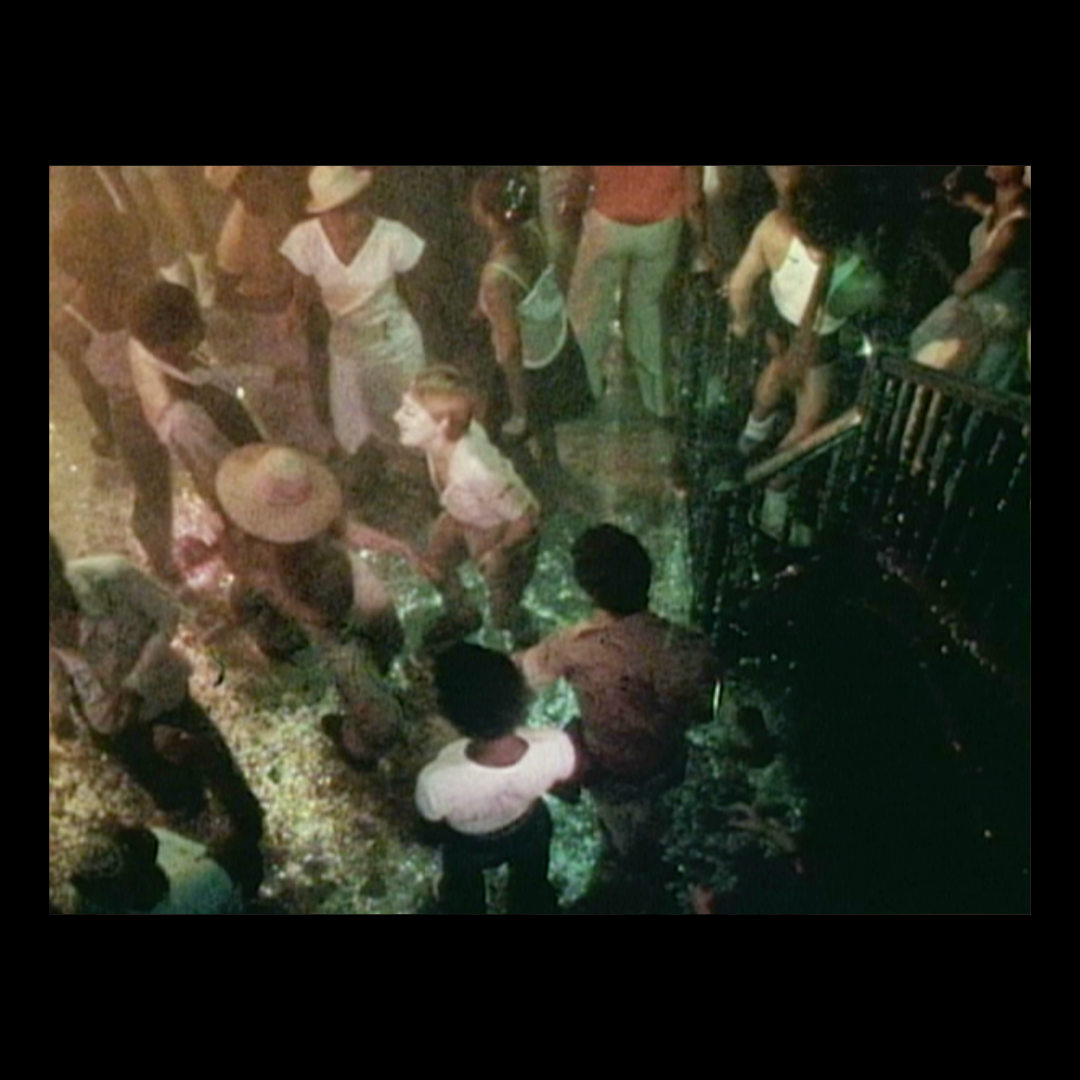
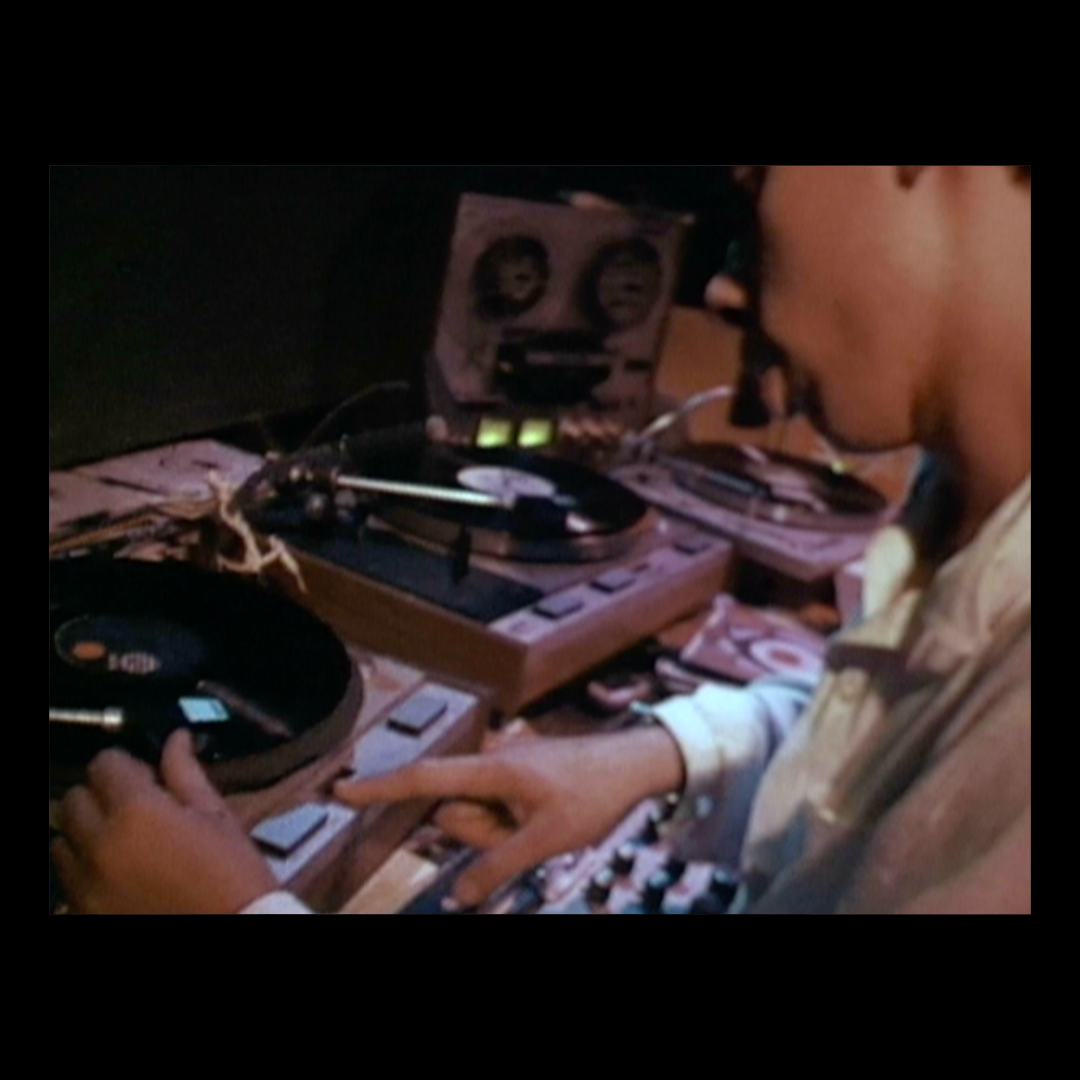
In 1973, a teenage Nicky Siano opened the Gallery in Manhattan, and within a few years it was one of the rooms where New York disco was invented. Larry Levan and Frankie Knuckles both worked there before going on to the Paradise Garage and the Warehouse. Film from inside that room is almost never seen. This lot is Siano’s own archive of footage from the Gallery: sixteen camera rolls transferred to broadcast-quality video, the matching sound, and a later viewing copy. It is sold together with the rights to the footage.
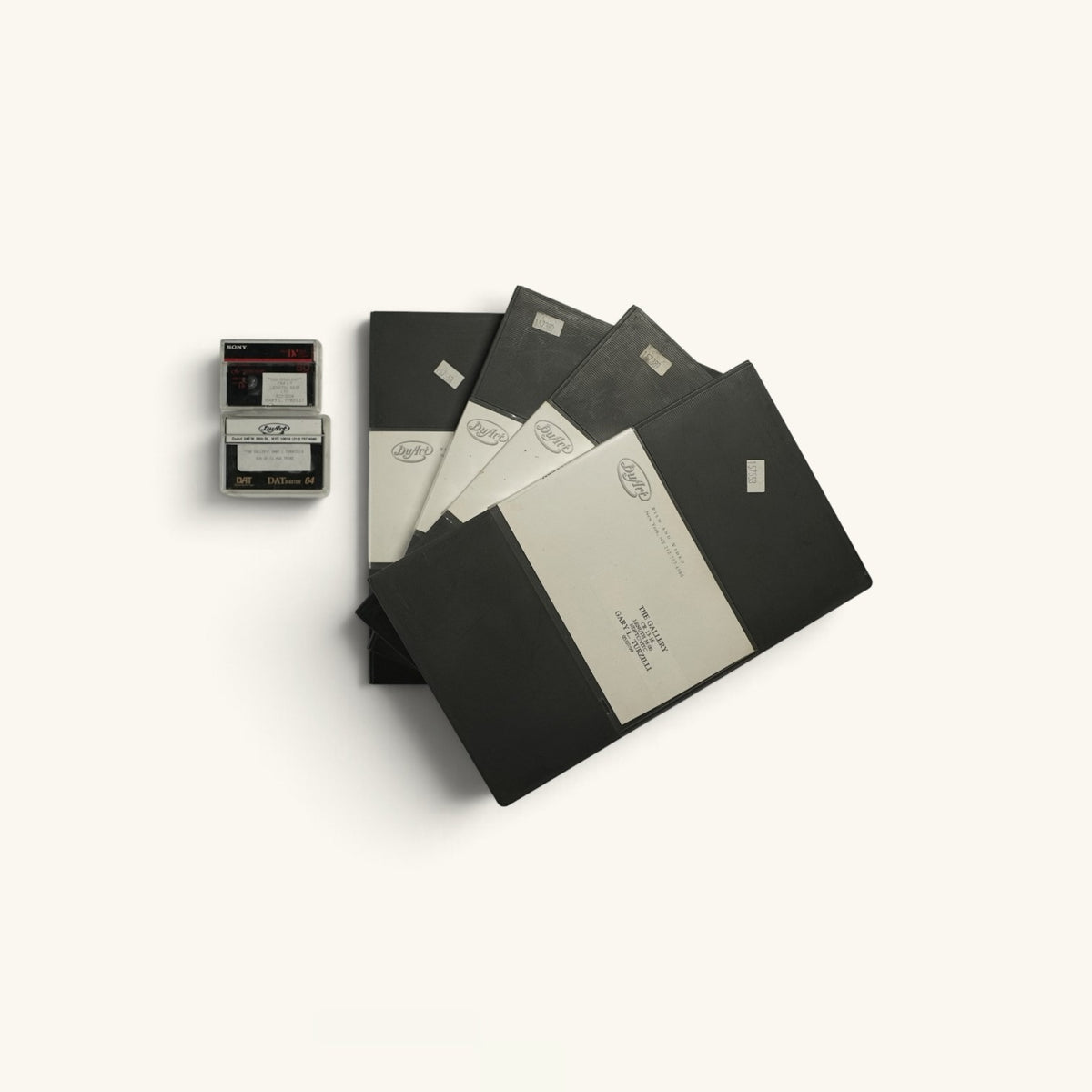
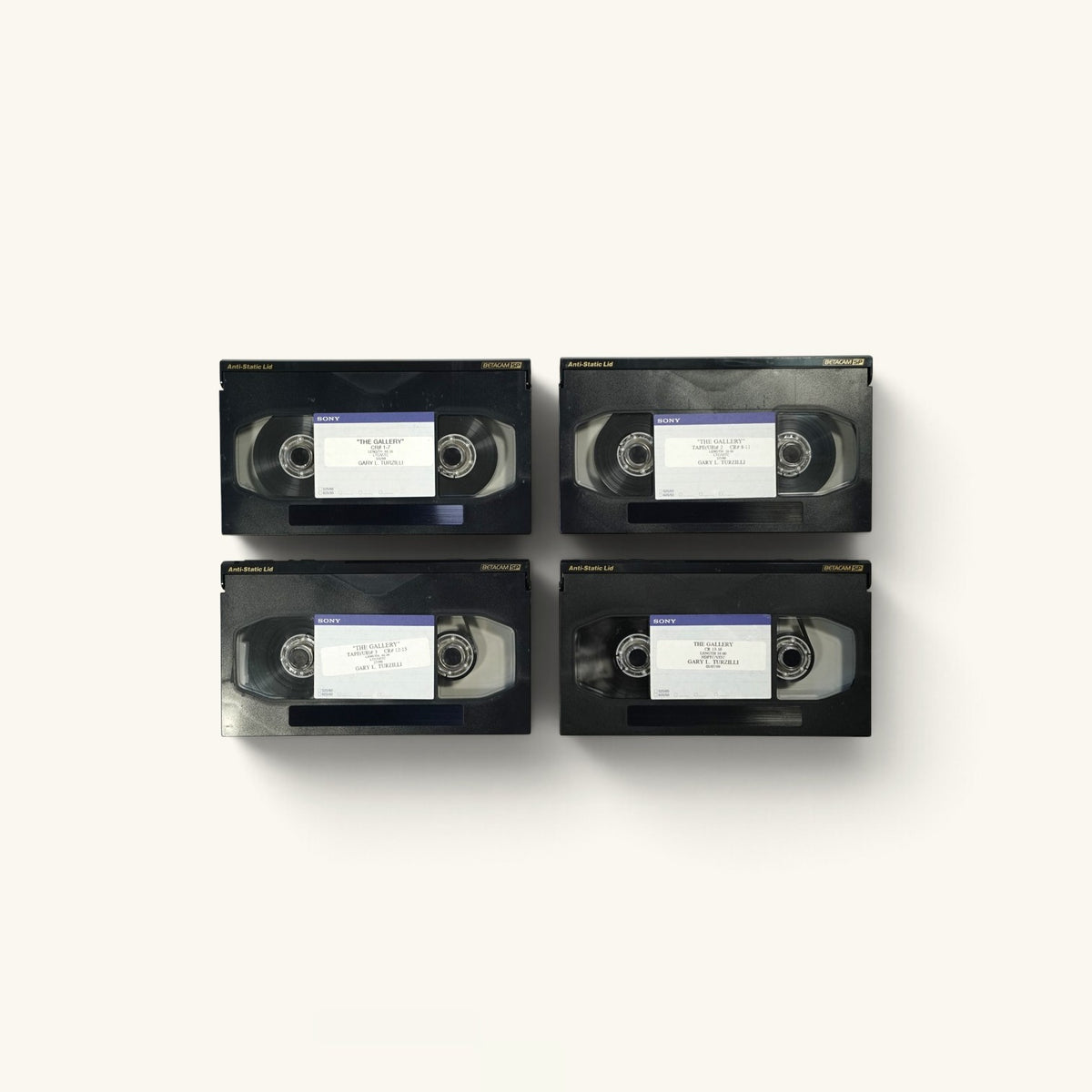
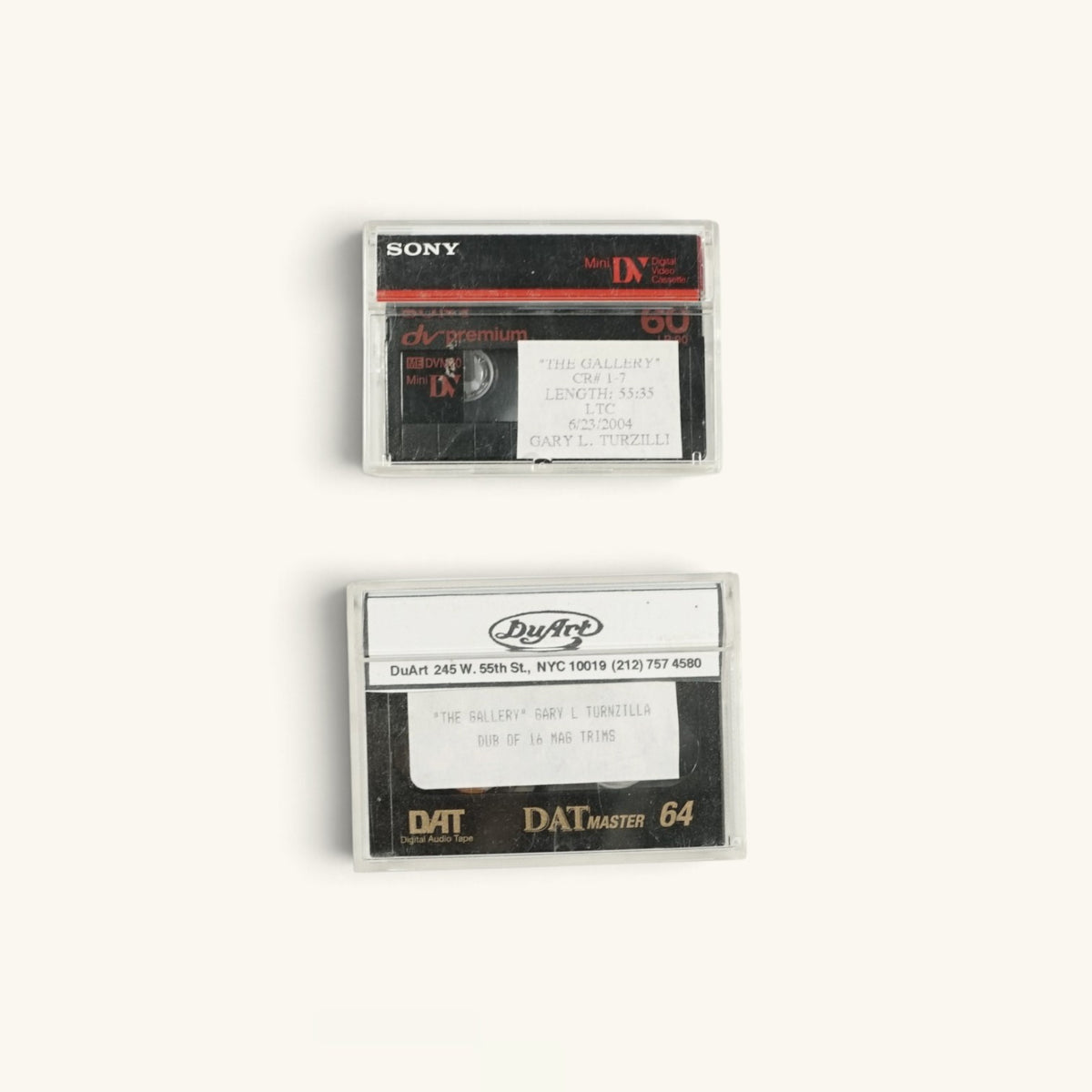
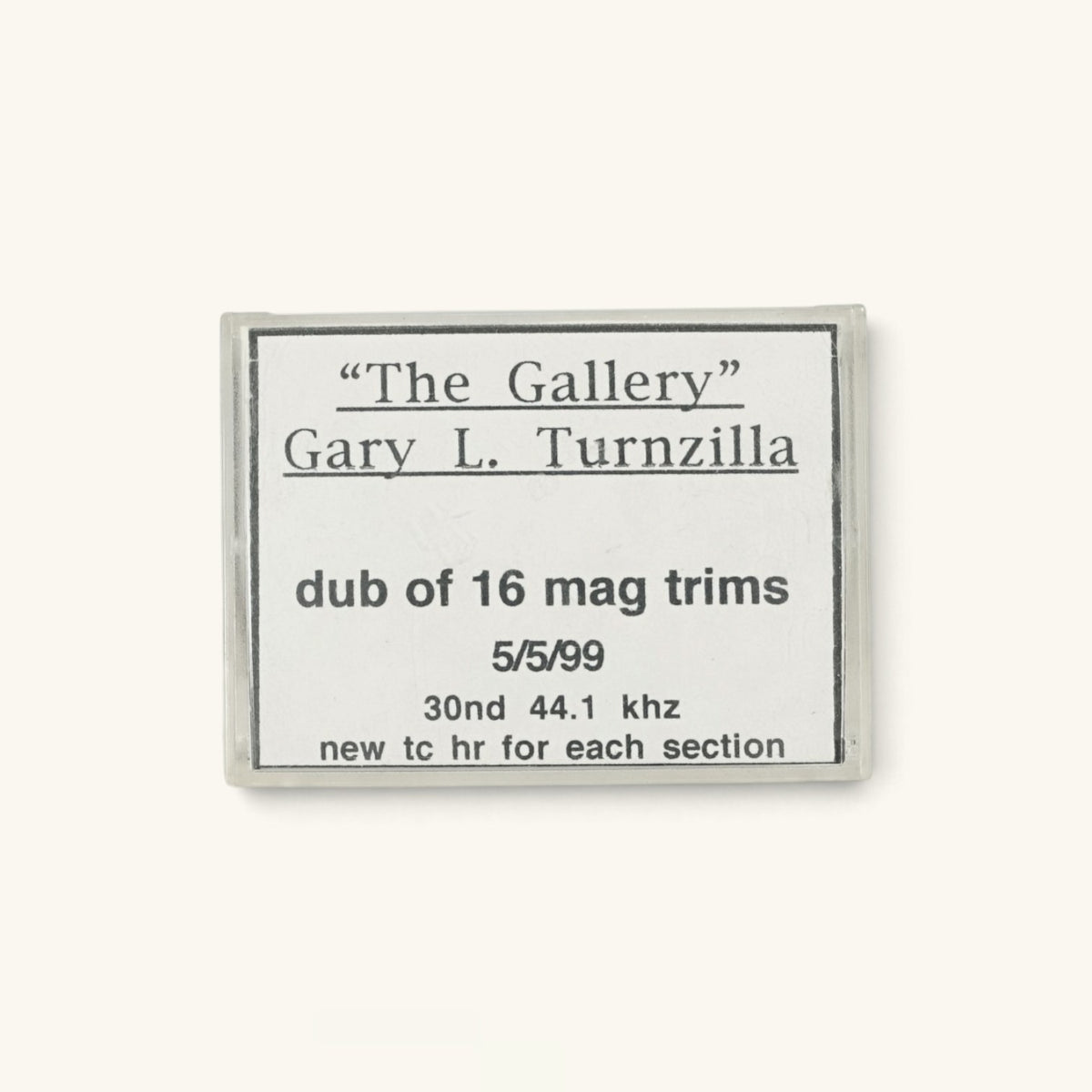
The film, labeled “The Gallery” and credited to Gary L. Turzilli, was transferred to Sony Betacam SP at DuArt Film and Video in New York in May 1999. The four Betacam masters run to roughly three hours and nine minutes in total, but some camera rolls appear on more than one tape. There is approximately seventy-five minutes of original, non-duplicated footage. A DuArt DAT carries the dub of the 16mm magnetic soundtrack trims, and a Sony MiniDV dub of the first tape was made in 2004.
What’s in the lot
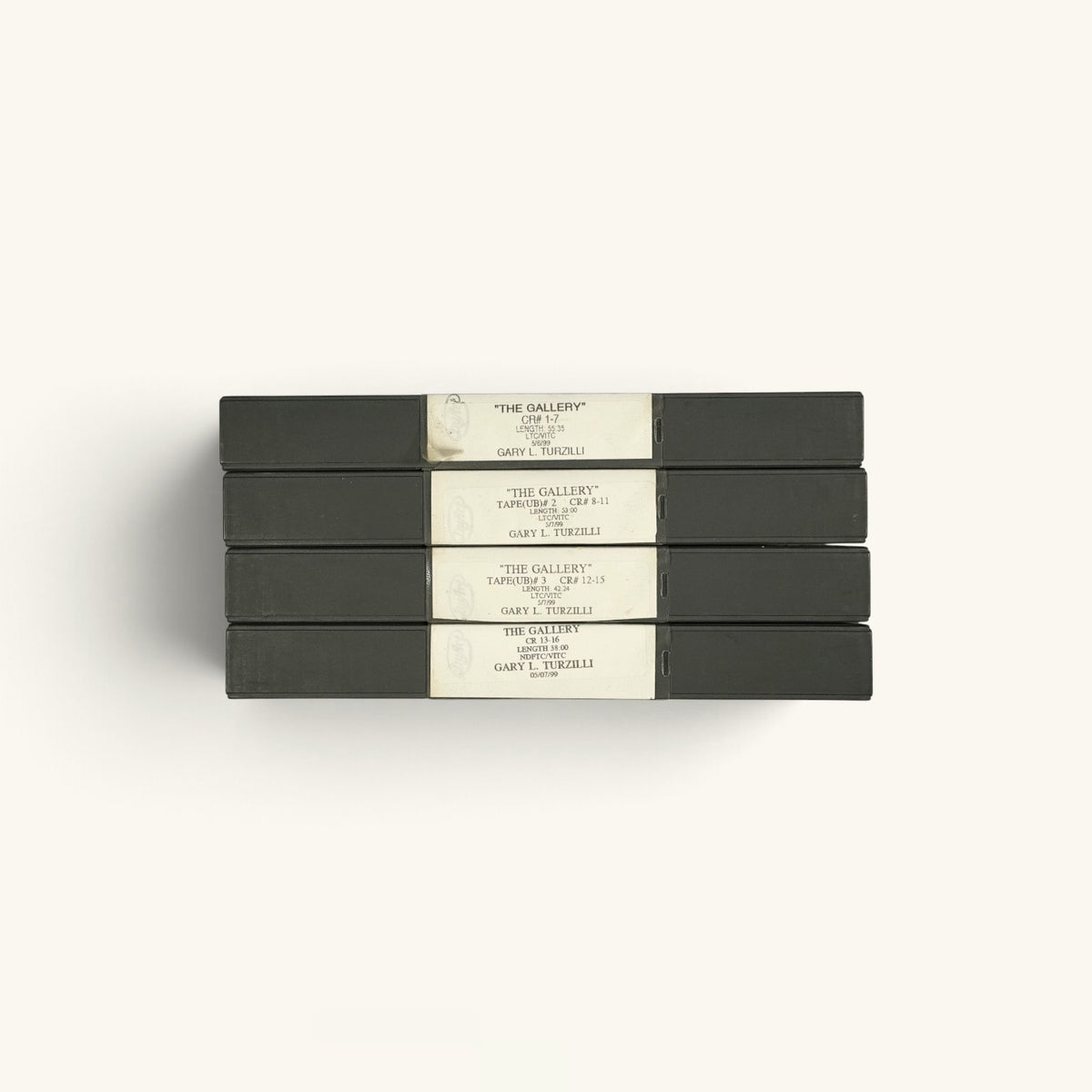
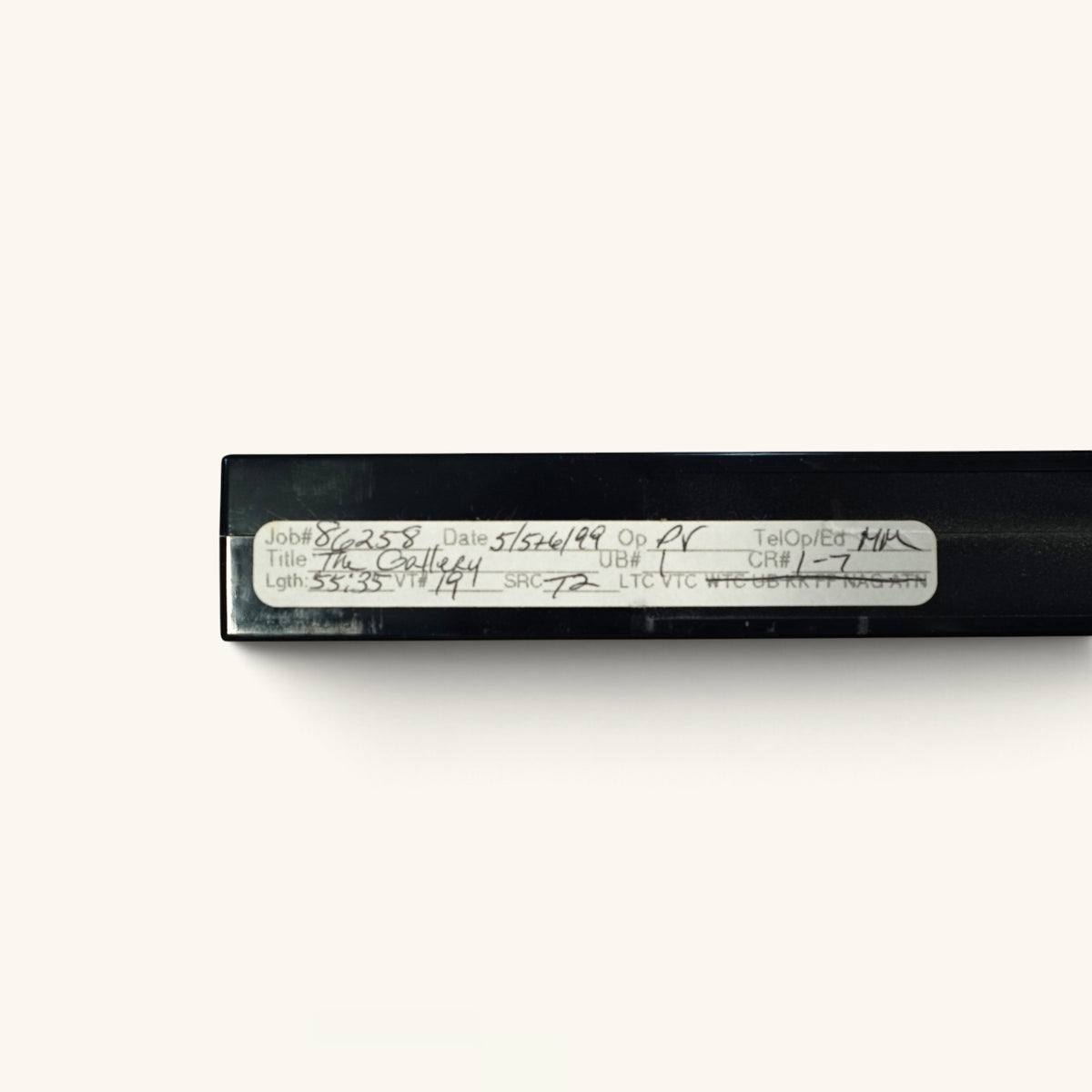
- Betacam SP, camera rolls 1–7, length 55:35, LTC/VITC, dated 5/6/99. Sony BCT-60MLA, NTSC, with DuArt’s handwritten job label on the spine (Job# 86258, UB# 1).
- Betacam SP, tape 2, camera rolls 8–11, length 53:00, LTC/VITC, dated 5/7/99.
- Betacam SP, tape 3, camera rolls 12–15, length 42:24, LTC/VITC, dated 5/7/99.
- Betacam SP, camera rolls 13–16, length 38:00, NDFTC/VITC, dated 05/07/99, in a different label style.
- DAT, dub of 16mm mag trims, DATMaster 64 in a DuArt case, dated 5/5/99, 44.1 kHz, with a new timecode hour for each section. The labels spell the name “Turzilla.”
- MiniDV, camera rolls 1–7, Sony DVM60 Premium, length 55:35, dated 6/23/2004.
The four Betacam masters are in their original grey DuArt cases with printed DuArt Film and Video labels.
Existing uses and licenses
Some of this footage has already been used or licensed. These uses continue after the sale:
- Love Is the Message. Footage from these tapes appears in Siano’s 1999 film Love Is the Message. Siano owns the film, and it remains on sale.
- Hallelujah Disco. A few scenes, under ten minutes in total, appear in Siano’s show Hallelujah Disco, which is headed to an Off-Broadway theater in March 2027.
- Existing licenses. The footage has been licensed to other productions on fixed-term licenses, none of them perpetual. Those licenses remain in force under their existing terms.
Key details & collectability
- Film footage from the Gallery, Nicky Siano’s loft party and one of the founding rooms of New York disco.
- Sold with the rights to the footage, a rare chance to own the archive and the right to license it.
- Sixteen camera rolls across four broadcast-format Betacam SP masters, with timecode: about seventy-five minutes of original footage, with some rolls duplicated across tapes.
- Matching audio from the 16mm mag trims on DAT, plus a MiniDV dub for easier viewing.
- Transferred by DuArt Film and Video, the New York film lab, with the lab’s job paperwork on the tapes.
Provenance
- From the collection of Nicky Siano.
- Transferred at DuArt Film and Video, 245 West 55th Street, New York, May 1999.
Provenance
Before you bid
Before you bid:
Please note that, on top of the final bidding price, you (the buyer) will be charged the following:
- Buyer premium of 20% on top of the final hammer price. E.g. for a winning bid of $100, you will pay $120 plus shipping, insurance, and taxes. The buyer premium helps us invest in curation, appraisals, verification, content and platform development.
- Shipping, packing, insurance & handling costs - see 'shipping' section below for more details
- Import duties and taxes - these vary by location and are payable by the buyer upon delivery, if applicable
Shipping & insurance
Shipping method: All orders are shipped tracked.
Insurance: For all orders over $200 we will include 1.3% on top of the hammer price to cover insurance.
Packing: We work with trusted packing teams to ensure the best delivery of your items. This will be added to the final cost.
Expected delivery: Item ships 2 weeks after auction closes. Delivery time varies by location.
The bidding process
We run a popcorn bidding process. This means that if you put a bid in within the last minute of the auction, the clock will extend for another 5 minutes. This allows everyone time to get their bids in fairly.
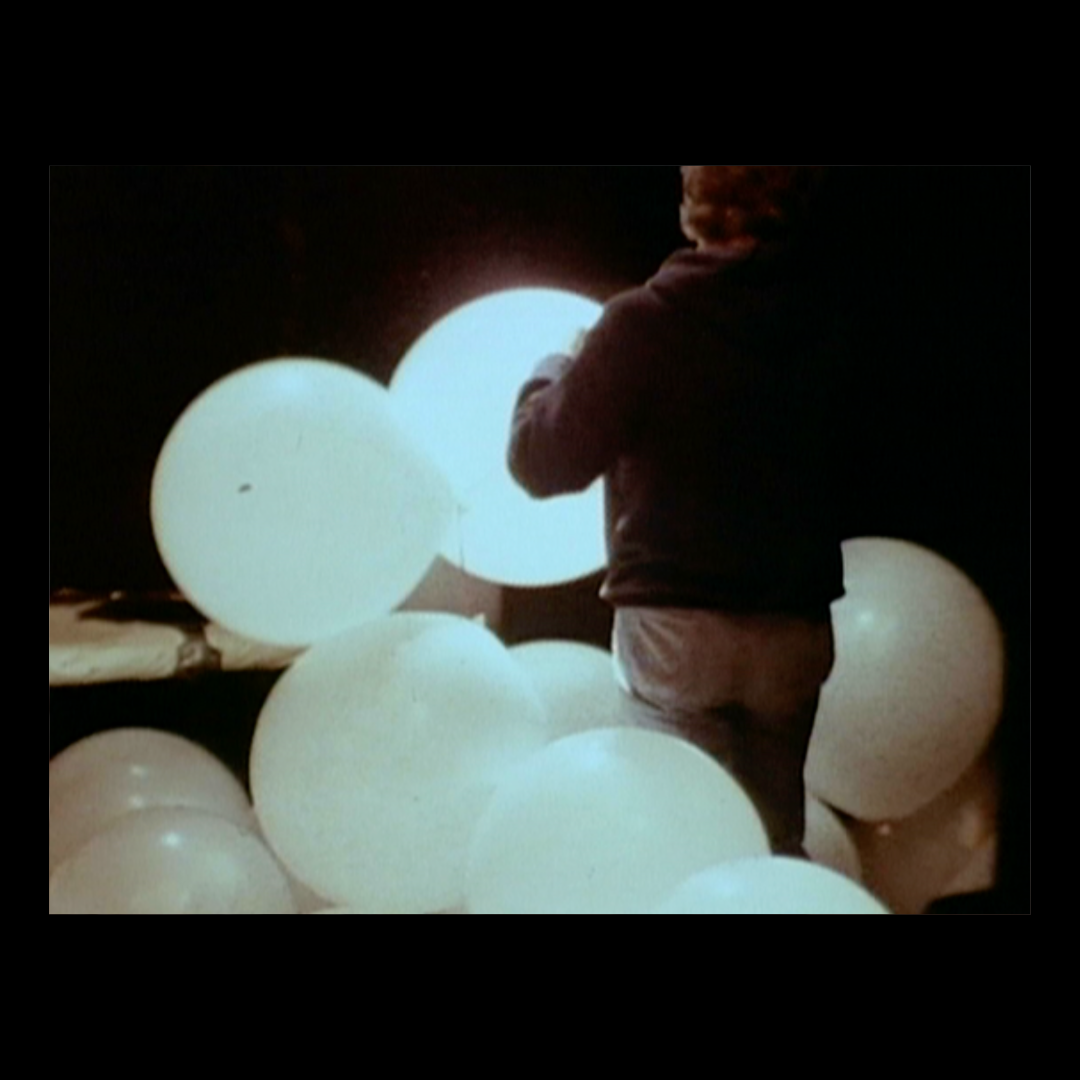
THE SET UP
BLOWING UP BALLOONS, PREPPING THE ROOM, STRESSING ABOUT WHO IS COMING AND GETTING RECORDS READY.
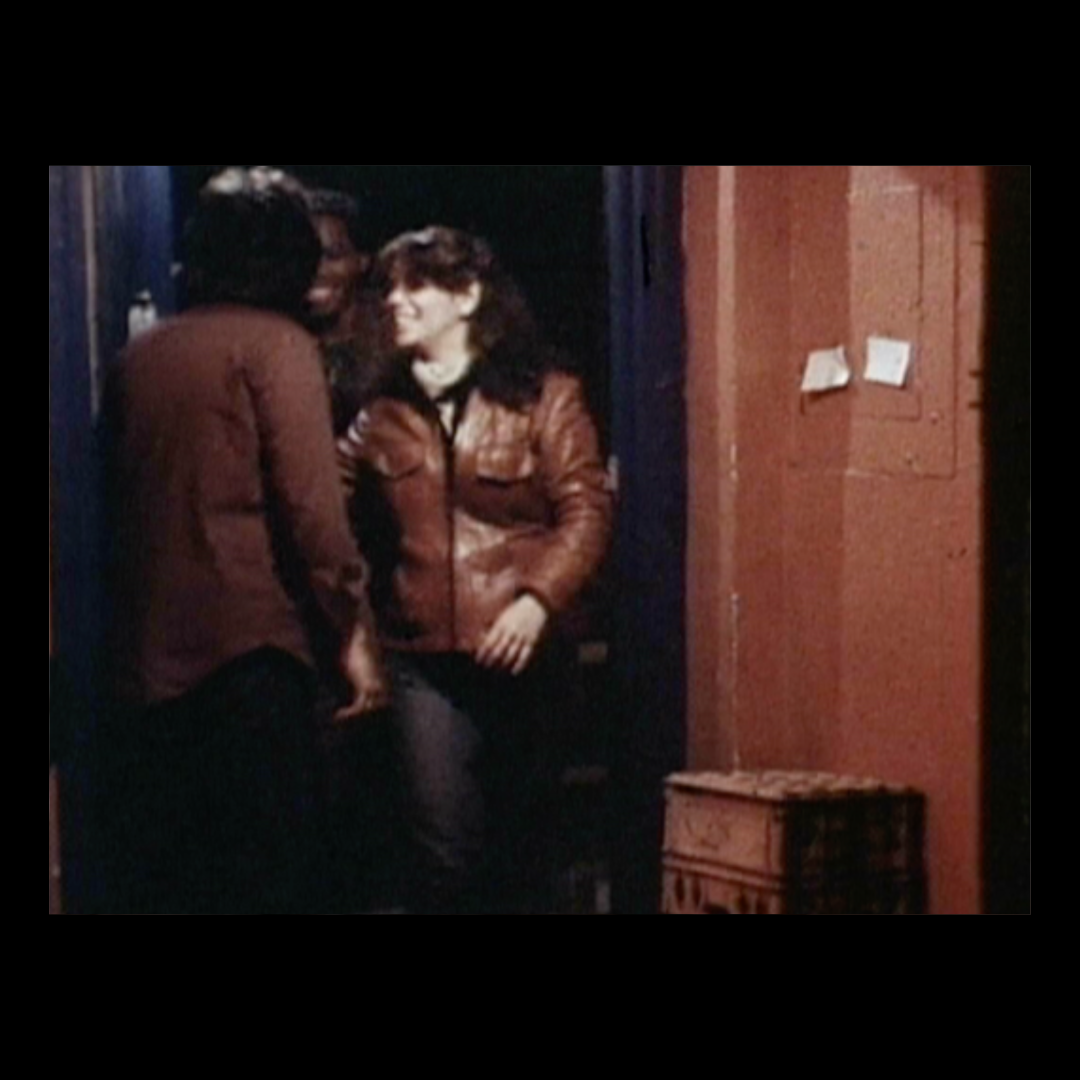
FROM WALKING THROUGH THE DOOR
That excitement and energy as you roll into the club. Thrilled to see where the night will take you. That surge of feeling when meeting like minded souls.

STEPPING IN AND PAYING YOUR DUES
Meeting the faces that are their regularly. Getting through the queue and the last hurdle to get you into the room.
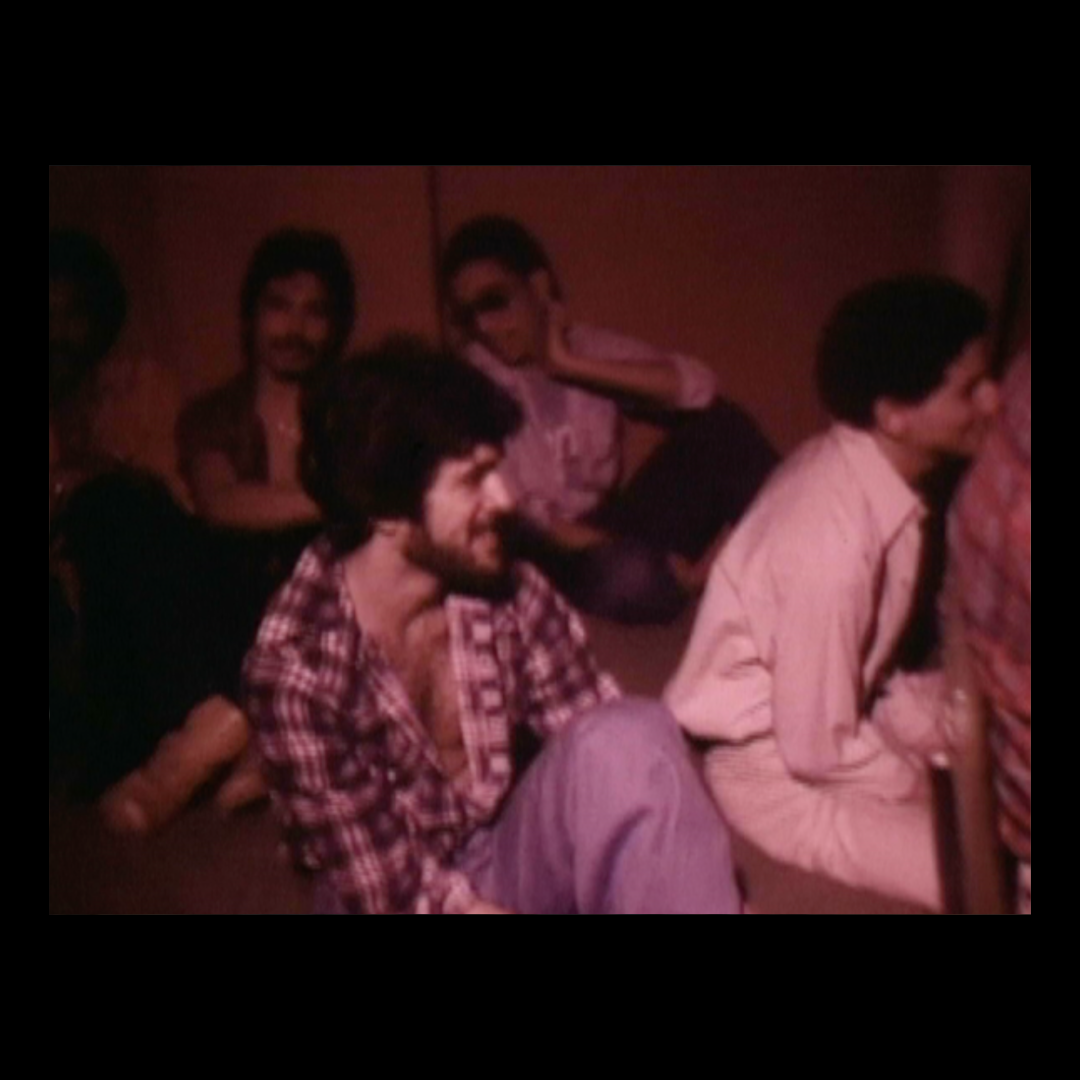
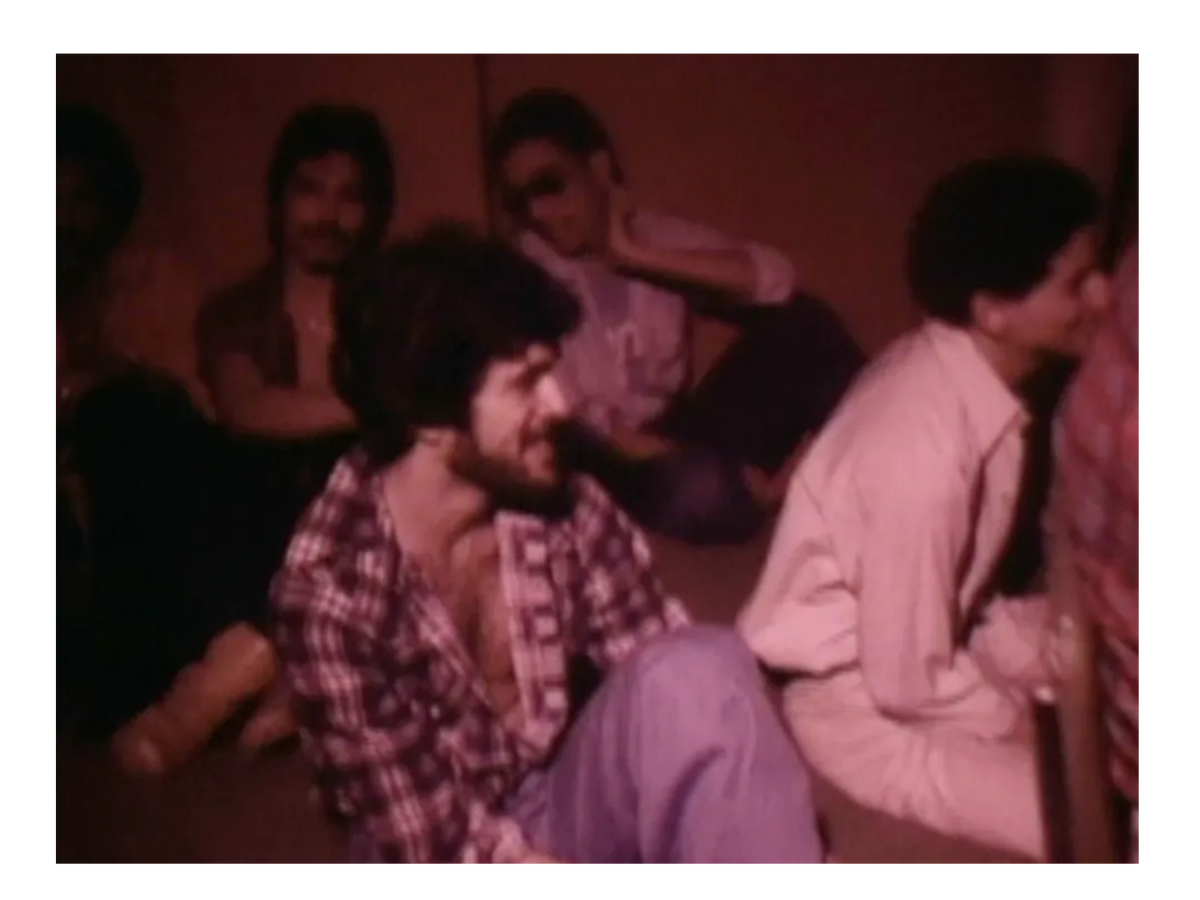
MEETING FRIENDS
SMOKING, CHILLING, CHATTING. GETTING IN THE MOOD FOR THE DANCE FLOOR.

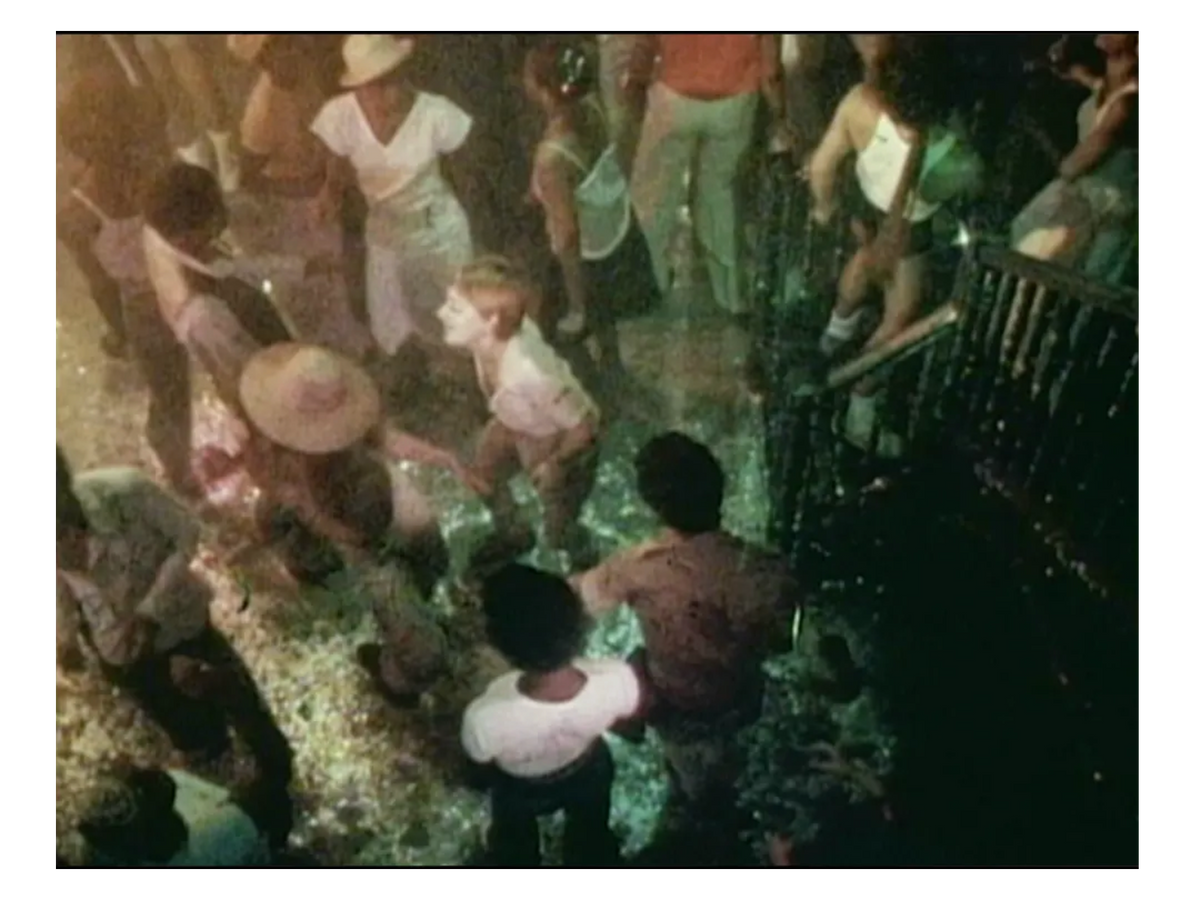
THE DANCE FLOOR
THE MAIN EVENT. HITTING THE DANCE FLOOR AND LOOSING YOURSELF FOR HOURS.
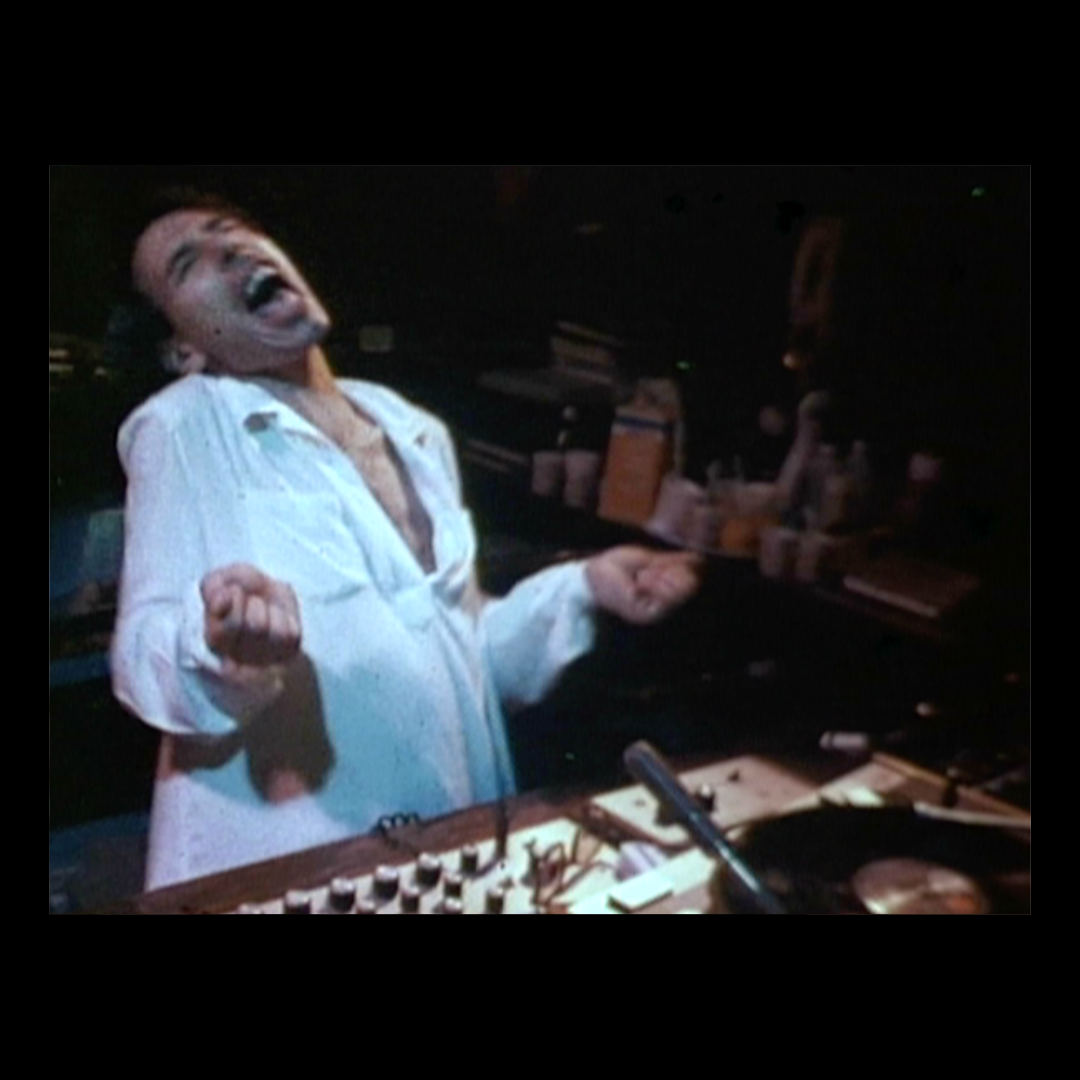
NICKY SIANO
HEARING NICKY IN HIS POMP. FULLY IMMERSED, FULLY IN THE PARTY, EXPERIENCING EVERYTHING.
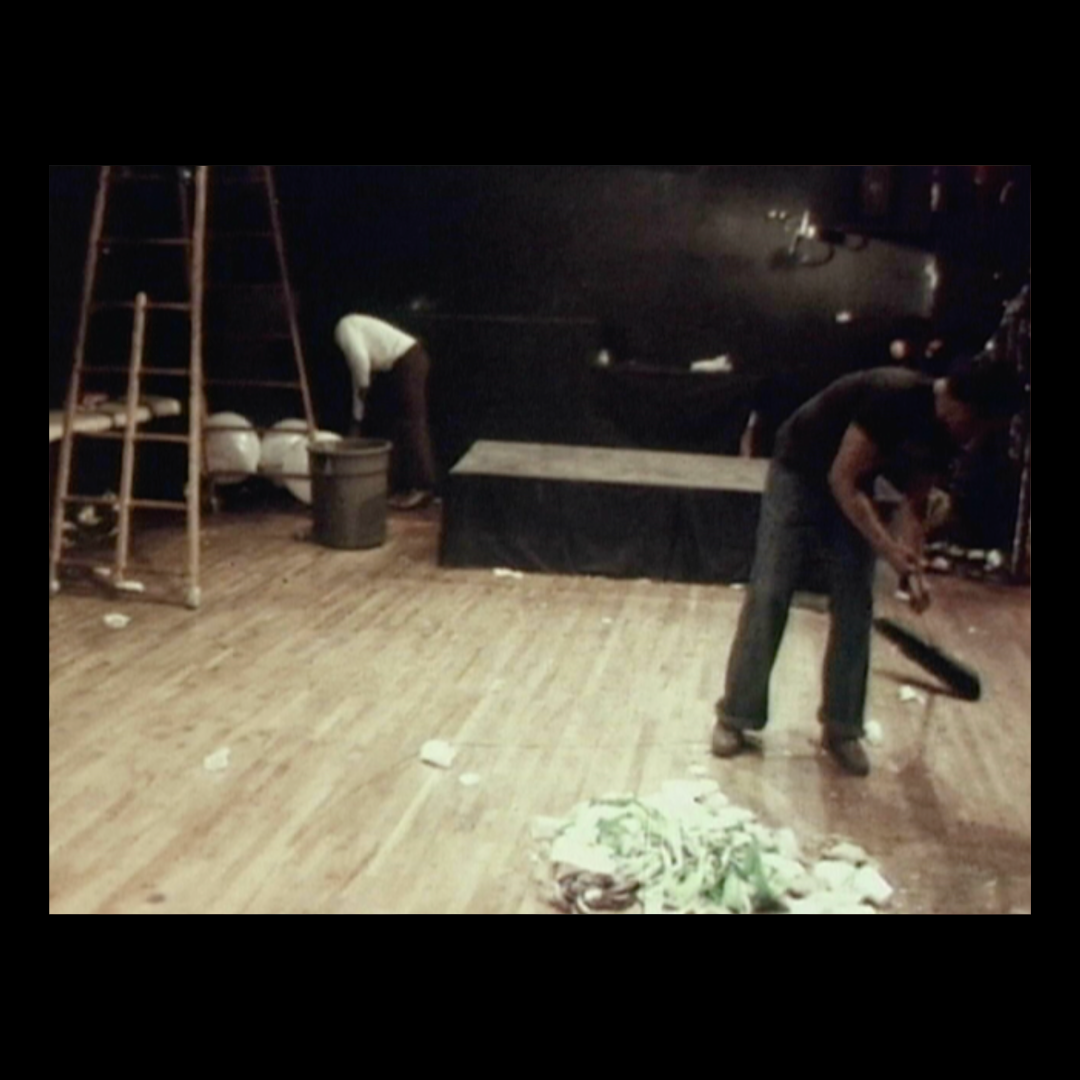
THE CLEAN UP
THAT COME DOWN, THAT MOMENT, THE END OF THE NIGHT.... IN THE VENUE.
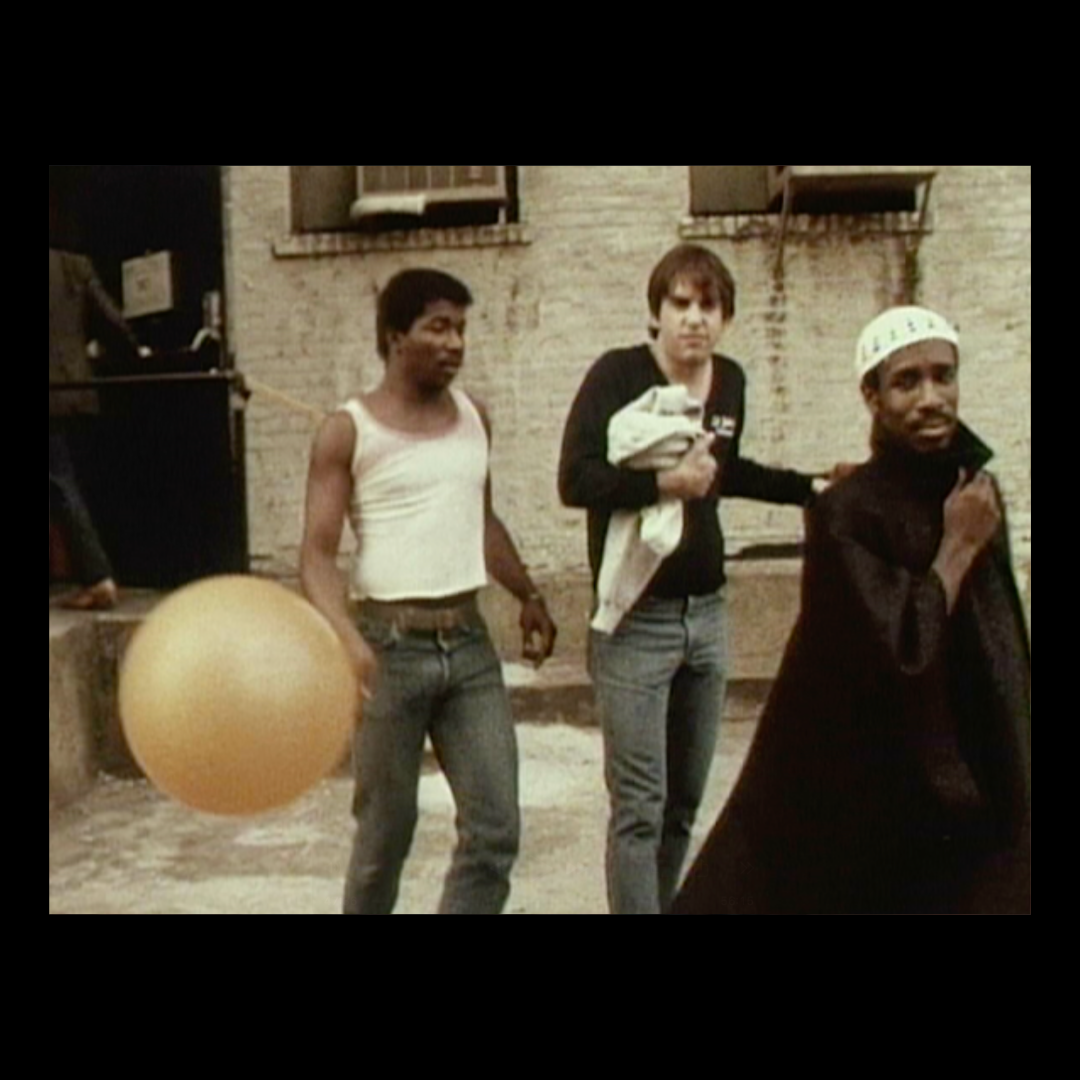
DAY LIGHT
THEN THAT HAZY STEP OUT INTO THE REAL WORLD. WHERE PEOPLE ARE ON A DIFFERENT LEVEL AND VIBE. ONTO THE NEXT PLACE.

The rights
License it to films and documentaries, in perpetuity
This lot is the tapes and the rights to the footage on them, in perpetuity. Whoever wins the archive takes over the right to license it to films, documentaries, broadcasters and museums. Existing uses continue after the sale, including Siano’s film Love Is the Message and his show Hallelujah Disco. See the lot description for details.
Clips from this film already license at around $2,000 a minute.
What clips have licensed for
THE TECHNICAL DETAILS
READ MORE: Take a trip to the Gallery
Listen: Nicky Siano Live at the Gallery
Read: In the Gallery
From Wax Poetics Issue 37, 2009. By Andy Thomas.
“The wildness is exquisitely wholesome. Furious dancing. Gentle laughter. Crepe paper and tinsel. Body energy shakes the room… In darkness pierced by perfectly timed bursts of light, Labelle’s rousing ‘What Can I Do For You’ takes on a frenetic holiness. The floor is a drum to the dancers—many of them gay, most of them black—whose upsprung fists and tambourines lob the balloons and streamers above what seem to be collectively chosen intervals.”
In the Beginning
The above words of journalist Sheila Weller in the New York Sunday Daily News in August 1975 captured the hedonistic and defiant spirit of dancers at the Gallery, the scene-shaping Manhattan club where everyone from Larry Levan to Frankie Knuckles learned their art. Opening in a disused loft space on Twenty-second Street between Sixth and Seventh Avenues in 1973, the Gallery—which moved to its permanent spot on Mercer and Houston in 1974—became known for its intense and unified atmosphere, and for its extroverted and restless young Italian American spinner Nicky Siano, whose exuberance and experimentation behind the decks helped make him the first star DJ of the disco era. “At the end of the night, he would sit down, take off his shoes and socks, and start to mix with his toes,” fellow DJ and close friend Michael Gomes recalled in the liner notes to the insightful retrospective, Nicky Siano’s Legendary the Gallery, on Soul Jazz Records.
Although Siano would go on to self-destruct as DJ at Studio 54—before returning to help heal the wounds of his AIDS-ravaged community—the five years he spent at the Gallery would revolutionize the art and status of the DJ. Just as Kool Herc and Grandmaster Flash were deconstructing the beats in the South Bronx in the formative days of hip-hop, similarly radical sound manipulations were rocking the floor of the early disco scene downtown in Manhattan. Euphoric yet edgy, stretched out yet chopped up, Siano’s expressionistic, break-laden mixes both reflected and rejected the darkness of the times as every whoop and holler from the floor acted as a clarion call of resistance.
Back in the early ’70s, New York’s postindustrial meltdown saw recession compounded by years of disinvestment in the city’s infrastructure. The empty buildings resulting from the economic slump left fertile earth for creativity. From the outbursts of the avant-garde artists who took over the vacated warehouses to the liberating cacophony of free jazz players at disowned loft spaces like Rashied Ali’s club Ali’s Alley, Manhattan exploded in a riotous display of underground art.
This was the soil into which free-spirited mystic David Mancuso sowed the seed for disco’s flower to bloom. Arriving in New York in 1962, Mancuso immediately fell in love with the freedom and nonconformity of the city. His sense of utopia became heightened through the increasing use of psychedelics. Moving to a loft space at 647 Broadway in the artistic enclave of what became known as NoHo in 1965, Mancuso began to hold gatherings inspired by the teachings of Timothy Leary. “I would use my space to gather together my friends and hold these classic psychedelic sessions,” he recalls. “I built a yoga shrine, which I used for both yoga and tripping.”
After going through a period of intense spiritual examination and nonattachment, Mancuso returned to his loft and, with the help of flyers based around Salvador Dalí’s The Persistence of Memory, relaunched his party on Valentine’s Day 1970. Central to the sense of unity that permeated what became known to regulars simply as the Loft was the mix of people that for Mancuso was the foundation of the party. “There was no discrimination,” he explains. “So when everyone got together from all these different economic and social groups without any barriers, connections started to be made, and you had social progress.”
It was an environment that blew the mind of fourteen-year-old Nicky Siano, who had been introduced to New York’s emerging disco scene at the Firehouse, a weekly party held by the Gay Activist Alliance. “The Firehouse was my first experience of clubbing, and it had a tremendous impact on me,” he explains from his home in Brooklyn. “It gave me my first real taste of the music and got me into record shopping. At that time, there weren’t many places you could go when you were fourteen and get in. But the Firehouse wasn’t considered a bar, so they would let you in. That is what got me into dancing and what led me to the Loft. I started buying the records and dancing, and one day I was dancing around the house to ‘You’re the One’ [by Little Sister]. And my brother’s girlfriend sees me and says, ‘If you really want somewhere to dance, I’m gonna take you to the Loft.’ ”
While the Firehouse inducted the young Siano to the music and culture of the early disco underground, the mood and movement of the Loft opened up a whole new world to the wide-eyed kid from Coney Island. “It blew me away because of the atmosphere and how [Mancuso] was controlling the whole environment,” Siano says avidly. “I already knew the music, but to see the way the lights were choreographed, that was just amazing. I remember one night I was dancing with Robin [Lord, his best friend and clubbing accomplice] and [Eddie Kendricks’s] ‘Girl You Need a Change of Mind’ was playing. And all the lights suddenly went out, and we were plunged into total darkness. Then as the music builds, this little lamp goes on in the corner and slowly gets brighter and brighter. And that’s when I realized David was controlling everything in the room, including the air conditioning, which he would use to create different atmospherics, depending on the record. So that really blew me away and gave me all sorts of ideas.”
The Loft
Central to the countercultural ethos of the Loft was a rejection of the expansion of American imperialism and the right wing. “You had all these things going on politically, like the civil rights movement and the gay rights and antiwar thing,” explains Mancuso. “So you’d be marching with a slogan about Vietnam, and that was where a lot of us met. So there was a sense of community already, and the parties were an opportunity to add more energy and diverse things. It was very primal—coming together to help each other in the dance.” At the same time as nascent disco clubs like the Sanctuary (where Francis Grasso held court in a converted church in Hell’s Kitchen) and the Limelight (the original Greenwich Village club where DJ duties were shared between Michael Cappello and David Rodriguez) were creating a safe, albeit segregated, environment for gay men to dance, the Loft welcomed dancers, whatever their sexual persuasion. “There were very few places where you had gay and straight people together, but the Loft was one of them,” explains Siano. “Things were very divided back then. The Stonewall Riots had happened in 1969, and it wasn’t until 1971 that the law was repealed that it was illegal for two people of the same sex to dance together. So to have this mix of people was very new.”
Working with disco’s famed sound specialist Alex Rosner, the obsessive Mancuso strived for the “pure sound” he heard while tripping in the countryside. To an acoustic tapestry that mixed the psychedelic soul of the Temptations with the conscious funk of War, and set heavy Afro-funk jams and psych-rock obscurities from Osibisa and Barrabas next to ethereal and exotic oddities from the likes of Ozo and Exuma, dancing at the Loft became both a cerebral and physical experience.

Although David Mancuso can be credited with teaching Nicky Siano the importance of creating atmospherics, it was another Italian American who was responsible for nurturing the dramatics in the aspiring DJ. “Michael Cappello would do these incredible mixes,” enthuses Siano, who had got his first DJ slot in 1971 at a club called the Round Table. “He would hear things in his mind before he played them and then create these amazing blends. And he would peak and peak and peak until the crowd just screamed.” A disciple of Francis Grasso at the infamous Sanctuary, Cappello refined his art at the Limelight where his seamless segues between records extended the euphoria among the largely gay clientele on the dance floor. Alternate nights at the Limelight saw another of Siano’s teachers, David Rodriguez, holding court. “He was like my mentor and gave me all these DJ rules,” Siano recalls affectionately. “Like, don’t cut off the record before the vocal finished, and get to know your records. He really inducted me in all of that storytelling.”
With the Loft and Limelight opening his eyes, Siano began conspiring to bring a whole new dynamic to New York nightlife. After experiencing the high-tech atmosphere of these parties, he soon got bored by his regular gig at the Round Table. “I felt extremely limited playing there, because I’d go to the Limelight and see Michael Cappello with the headphones on, looking and sounding great, and there I was playing without headphones or a cue system, on this really primitive equipment.” Borrowing money from his brother Joe Siano, Nicky and Robin Lord set out to create their own dance space after being thrown out of the Loft for selling downs. Taking the blueprint of David Mancuso’s party down to the brightly colored balloons and all-important audiophile sound system, the Gallery would move the energy of the dance floor to new heights. “It was about seeing an idea and then embellishing it,” Siano states. “I stepped it up a big level. I mean, David was giving a party—I created a club. It really was like people have said, the first disco. David had his party in his house, whereas we had this loft space, which we converted to create a whole new environment. All created to blow people’s minds when they were dancing.”
“Body & SOUL” and “718 Sessions” DJ Danny Krivit watched as Siano heightened the energy at the Gallery. “Nicky was definitely a fan of the Loft,” he says, “but he was a little younger, and while David was always selfless, Nicky was a little bit more like, ‘Hey, I’m doing this.’ And he had a very strong personality. So he thought, ‘I like the Loft, but I have my own take on it, and I’ll bump it up a little.’ You know, give the sound a bit more of this and that and take the experience to a new level. And what with his mixing and that, I felt like that was what he was doing at that time. It was more not so much about the audiophile sensitivity, although it sounded great, but it was pumping—definitely at a louder and more aggressive level.”
With the expert help of Alex Rosner, Siano, like David Mancuso before him, searched for the perfect sound to suit the party. “We were the first people to have custom bass horns built, and the first to have a three-way crossover,” he recalls animatedly. “Rosner was chomping at the bit to create these bass horns, based on the low-end cabinets of corner Klipschorns. He wanted to use that type of folded-horn design, rather than a front-loaded horn, but for the bass to reach low sound frequencies, he had to scale the Klipschorn design up about a foot and a half. The reason why the sound at the Gallery was so good was because we built the room around the constraints of the speakers. Sound is all about math.”
Whereas the sound at the Loft cocooned the dancers with its warmth and ethereality, the Gallery system assaulted the senses, provoking a maelstrom on the dance floor to match the extremities of Siano’s playing. Producing a wild and orgiastic soundtrack heavily reliant on screaming divas like Patti LaBelle and Gloria Spencer, Siano became famed for his technological advancements, becoming the first DJ to use variable-speed turntables, peaking and dropping the tempo throughout the mix as he turned the crowd into a sea of raised arms and gyrating limbs. “It was like discovering the wheel,” explained future DJ Frankie Knuckles to writer Tim Lawrence. “Nicky would constantly play with the speed, and I had never heard anybody do that before… It became difficult listening to other guys play in the old style after that.”
While the seamless mixes of Michael Cappello had clearly influenced Siano, the variable turntables enabled the progressive DJ to become more experimental. “At the same time as David Mancuso stopped mixing when he moved to Prince Street (the Loft’s second home), I started the whole beat-matching thing,” Siano claims. “Back then, you really had to have skills. You had to know how fast or slow all of your records were in order to beat-match. I only had a two percent variation [on the turntable speed], so I had to really make sure records worked with each other.”
Working between two copies of the same record, Siano homed in on the break, just as block party DJs were as b-boy culture took hold in the outer boroughs. “On a record, when there is a break, you can see the vinyl turns a different color. You can clearly see it,” he says eagerly. “So that was the first thing I looked for in a record. People used to say to me, ‘It’s a great record,’ and I’d say, ‘But is there a break?’ And I’d go to that first before I checked out the record… I’d play records back to back. I’d take two copies, and I’d go from the break on one right across to the other and back again, using the cross fader.”
Adding sound effects and dramatic lighting operated by a pedal under the console, Siano teased and seduced the delirious crowd into a hub of electricity. Writing in New York magazine in June 1975, Mark Jacobson depicted a DJ for whom performance would become a central part of his art: “Swaying his rear end in time to the motion of the needle on the V.U. meter of his $20,000 sound system, he flips 45s across his body like dwarf Frisbees landing them perfectly on one of his three turntables. Most DJs only use two, but Nicky needs the extra record player for his jet plane and boat sounds.”
Just as Mancuso, Cappello, and Rodriguez inducted him into the art of the DJ, Nicky Siano would himself turn teacher at the Gallery, developing the technical and theatrical template that others would follow. “I would peak the crowd a lot more than David Mancuso,” he says. “Michael Cappello and myself were so similar. We had that killer instinct. If the dance floor was up, we’d want to go further with it. I’d push it and push it, and the crowd would go. It was all about reading the crowd and taking in the essence of where they wanted to go. It’s like you have to be part of the party as a DJ. If I felt like going one more record, then I thought someone else in that room must also have wanted to go one more record as well. So I would just keep going until I was exhausted.”
For the young André Collins, who would go on to hold court at the legendary Bronx club the Warehouse, his first visit to the Gallery was an epochal moment. “When I went there, I was scared,” he recalls. “I mean, I was only a young kid from the Bronx, so it was all a bit much, but there was something about the music that was very interesting. I had never heard it put together like that. Before that, I used to go with my sisters to Le Martinique, which turned into the Ice Palace later on. That was my first real exposure. It was put together nice there, but it wasn’t as edgy or progressive. I mean, they were mixing it well, but Nicky used to paint pictures with his music. It touched my spirit at Le Martinique and made me want to dance, but Nicky was the first one to touch my heart.”
Siano’s expressive playing drew the ears of another group of music obsessives as the Gallery became home to seminal New York City dance crews the Maboya Dancers and Flowers Dancers (or City Steppers as they became known), who had previously been following the mobile sounds of DJ Maboya and Grandmaster Flowers, respectively. One of those dancers, a founding member of City Steppers who goes by the name of Flame, recalls his crew’s conversion: “I took the boys down to what was mainly a gay club, and we were all straight, right. But what excited me about the Gallery was that I’d never heard music played the way Nicky played it and on a sound system like that. And it was such a party crowd, they looked like puppets on a string. It was just such a great experience. You see, Nicky gave you a lot of things—mixing that you hear people doing today all started with Nicky Siano. He used to give you theatricals. And that took the dancing to a whole new level.” For a young dance freak from Brooklyn, the mix of people he found at the Gallery was also inspirational. “You see,” Flame continues, “the kind of people that went to these clubs were people that were into the arts, so there was all sorts of self-expression going on. And then you had musicians, actors, and also dancers from the Broadway shows who would come down and see what we were doing and then take it back to their jobs.”
Another dancer, Ricky Richardson, a master of Wing Chun who became known for his fusion of martial arts and floor movements, recalls what clubs like the Gallery and the Loft meant for a young Black man searching for answers and relief from the stresses of the day. “Back then,” he says, “there were a lot of different cultural things going on at that time, so that had a tremendous effect on the way that we danced. I mean, the injustice that was going on in the world and on the streets of New York City… So most people went to the clubs to escape all of that, you know. That was what you left behind. All the frustration and the negative things that you experienced in society—that’s what you left when you went on the dance floor.”
Though Siano became known for his hedonistic lifestyle, he was very much aware of the politics of the dance. “You only have to listen to the music to know that we were talking about how free and empowered we felt,” he says. “Take a song like ‘Love Epidemic’ [by the Trammps] that talks of spreading love all over the world to heal people. Everything we were doing was saying, ‘Wow, look at us, we can change the fuckin’ world.’ We had stopped the war by our own will, and now we were fighting for our own rights. There wouldn’t have been the Stonewall Riots if it wasn’t for the antiwar marches and civil rights movement. These were very empowering times.” André Collins speaks for the many gay Black men who made the Gallery their home. “That was where I came out, really,” says Collins. “You see, I had been brought up in the projects, and being gay there was hard. The Gallery was in essence a haven, and it allowed me to be around older gay people and to hear music that was telling our story. I used to listen to the words in the songs and used to think, ‘How does he know that I am going through all these things?’ It was like Nicky was personally playing all these things for me. That’s how it was for me.”
One of those songs that spoke loud and clear to a group of people bonding through music was MFSB’s “Love Is the Message.” Collins recalls how this seemingly smooth slice of Philly soul became politicized through both the recontextualization of DJs like Siano and the reading of the song by a crowd united by love. “That record became our national anthem,” he says, “and it still is. I don’t think MFSB had that in mind when they made it, that they were making a song that gay people would embrace so heavily. But it was basically us saying to people, we just want them to love us back and not be hating on us. It had come just after Stonewall, so it was the perfect message that described what we were all going through.” While Siano’s jet plane effects drew gasps of delight from the dancers, Collins recalls a couple of other tricks the DJ would employ to increase the energy: “Nicky would play the original [of ‘Love Is the Message’], and right before the drumbeat comes in, he would put on the words ‘Stoned Love’ from the Supremes. The first time I heard him do that, it made me want to cry. That really brought it all home. He was the first one to play it like that. He was always looking for something to shock you. He used to create magic, and that was what it was to me—magic. And add to that all the punch and fruit, which had been spiked.”
The Dark Side of the Gallery
While many Gallery heads would eventually succumb to the darker, insular side of drug use, initially, they used psychedelics for their shamanistic and communal purposes. “Back then, we just used the drugs for dancing,” recalls dancer Flame. “The purpose of the psychedelics and that was so we could dance the night away and feel the music more. We would come to the club at twelve o’clock, and most times we would not have much money, just enough to get in and have some breakfast the next day. So during those days, they used to spike the punch. So we would take a couple of cups, and, next thing you know, we were zooming around the club. But it was always just enough to keep us dancing. So we did it like that just for the weekend. But, quite naturally, later on, things got kind of addictive and out of hand. But that’s how it started—all quite controlled.”
Helping raise the highs at the club was a young aspiring DJ and regular at the gay hangout the Continental Baths, or the Tubs as it was affectionately known. “Larry [Levan] and I would blow up balloons, set up the food bar, prepare the punch, and give out acid,” recalled Frankie Knuckles in the Soul Jazz liner notes. “But we also spent a lot of the time hanging out in the booth, watching Nicky’s every move. He pretty much taught us what we were doing.” Siano, though, never saw himself as a teacher. “At the time, we were all just friends,” he says affectionately. “Larry lived with me; he was my housemate. And Frankie was just one of my good buddies. They used to listen to me play the same way I used to listen to Michael Cappello and David Rodriguez.” The lessons learned from Siano, both in terms of technical skill and the creation of drama, would see his two young friends become possibly the biggest names in the dance underground with Levan’s tenure at the Paradise Garage and Knuckles at the Warehouse in Chicago, key links in the scene’s evolutionary chain.
It wasn’t just DJs who would be inspired by the Gallery, as Siano explains: “I was talking the other day with Denise Chapman from Salsoul Records about the night she brought Loleatta Holloway down. We usually had eight hundred people, and there were, like, sixteen hundred there. So anyway, Loleatta comes onstage, but I’m telling Robin, ‘Don’t light her yet.’ She’s in front of the mic, and I’m playing Cerrone’s ‘Love in C Minor,’ and I see her lips moving. I turn up the mic, and she’s shouting ‘yeah, yeah, yeah’ and starts this incredible scatting. The crowd just unbuckled. I mean, the fucking roof came off the place.” Alongside guests like Grace Jones and Barbra Streisand (who wrote to thank Siano for helping break “Shake Me, Wake Me,” as club DJs started to drive mainstream sales), circulated musicians from New York’s alternative art scene. One such figure was a young avant-garde cellist and composer named Arthur Russell. “I think it was the social experience of people coming together and dancing that intrigued Arthur,” suggests Matt Wolf, director of the Russell documentary Wild Combination. “I think he saw clubs as incredible listening environments and social laboratories.”
Siano remembers his introduction to one of disco music’s true mavericks. “I met Arthur Russell through one of my best friends,” Siano says. “He had been dating this guy, and he brought him down [to] the Gallery. After about the fifth or sixth time, he came in the booth and said, ‘We could do a record together.’ ” Recorded in 1978 and released as Dinosaur on Sire Records, “Kiss Me Again” augmented Russell’s abstract composition with Siano’s high-energy production to create a heavy slice of mutant disco. “He was a nightmare and would never ever finish with a recording,” he laughs warmly. “He had the trombone, the violin, the trumpet, and organ all on one track and in pieces, and it was a real nightmare to mix. But in the end, I mean, the song was a fucking classic. It was like a symphony—not just a dance record but a piece of music.”
They worked together on a number of tracks that never saw the light of day; the industry wasn’t quite ready for the visionary productions of Siano and Russell, and the pair wouldn’t release another record until 1984. Entering the studio under the moniker Felix, they flipped the script on the prescient “Tiger Stripes” and its totally out-there alternative version “Move,” composed by Russell and worked for the floor by an inspired Siano. “Arthur had this idea of creating these big disco symphonies,” explained Steve D’Acquisto, Russell’s friend and collaborator on Loose Joints’ “Is It All Over My Face,” shortly before his untimely death in 2001. This vision would be best realized on Russell’s releases on Sleeping Bag Records (the label he set up with Will Socolov) of which “Tiger Stripes” and “Move” were typical. With its discordant jazz horns, Latin percussion, and warped chorus, “Move” remains as futuristic today as when it dropped on the alternative disco and post-punk dance floors in the mid-’80s. “That was my creation, taking all these snippets of ‘Tiger Stripes,’ ” Siano justifiably exudes. “It was basically sixteen-bar sections of the original, looped using different configurations. I really had that abstract jazz feeling in my head. It was very progressive.”
Spiraling Out
Back in the late ’70s, and while New York’s nightlife was in rude health, with everywhere from Tee Scott’s Black dance party at Better Days to the seminal gay club 12 West all taking elements from the Loft and the Gallery, Siano’s own health was taking a turn for the worse. A habit that began with a little pot and acid at the Round Table and a vigorous appetite for PCP behind the decks at the Gallery had developed into one where the highs were not enough as Siano struggled to cope with the huge persona that he had created. “I was totally strung out on heroin, totally,” he says candidly. “My brother came up to me and said, ‘The lease is up for renewal, and I’m not going to sit here and watch you kill yourself. So you either want to do the drugs or run a club together.’ Me, being in a drug-crazed, arrogant, deluded state, said, ‘I’ll do the drugs.’ But we went out on a crescendo.”
Conversely, Siano’s downward spiral coincided with his potentially most lucrative career path as he was offered a DJ slot at a newly opened club in Manhattan. “I had worked with Steve Rubell at Enchanted Garden out on the borders of Long Island and Queens for a year and a half,” he recalls. “We became good friends, and he would come to the Gallery every Saturday. [He’d be] there under the booth watching what was going on, the way I was playing the music, the way the lighting worked, everything… I don’t see him for a while, and then I get a call, ‘Nicky, we’re opening a club in Manhattan, and I want you to come and see it.’ ” In spite of the building site that welcomed Siano when he arrived on West Fifty-fourth Street, Studio 54 opened a few weeks later with Siano and Richie Kaczor sharing DJ duties.
Rubell had clearly been inspired aesthetically by nights at the Gallery, but in his mission to create the ultimate club space, he missed the most important ingredient. “When David Mancuso and I started, it was with these very altruistic goals,” Siano says thoughtfully. “We wanted to bring people together to share good music on a great sound system with maybe a little bit of acid. It was about love, empowerment, and togetherness. And then the record companies get involved, and money starts pouring in. And then along comes Studio 54. At first, it looks great, because it’s taken all our ideas to the nth degree, but then you get to know how the club operated. It wasn’t about the music; it was about the club, and it was about the drugs. It totally took the focus away from what we thought the party should be—the spiritual experience of using music to go to another place. All that stuff was destroyed. It was about the way the club looked, the fabulous people they let in, and the cocaine up your nose. And that door policy was just wrong.”
Siano only spent five months behind the decks at Studio 54; his heavy drug use and preference for playing progressive records like “Trans-Europe Express” rather than constant rewinds of “Disco Inferno” led to him being fired. After getting clean in the early ’80s, the gap in his life was filled after the AIDS-related death of his old friend David Rodriguez, as a specter of fear took over New York’s gay community. “As part of the twelve-step program at Narcotics Anonymous where I got clean,” recalls Siano, “they have this real spiritual aspect. So I began my own quest to find my own spirituality. I wound up with meditation and all this new-age stuff. At the time, I was going to this place for people with AIDS called the Healing Circle. And they would do things like hands-on healing and meditation. It was so beautiful to me—it reminded me of a night at the Gallery. I would go there every Wednesday night to be cleansed out of all the negative energy. So I started to think, ‘This would be great for drug addicts,’ and started to bring it to the drug programs.” From this came an offer of a job as an entry-level counselor. “As soon as I got there, I was given all these people with HIV that nobody else wanted to deal with. So I became the HIV coordinator. I started to read up everything there was to know about HIV. I became like an encyclopedia, so by around 1988, I could talk any doctor under the table about HIV. I started to do all these studies and eventually went back to school to get my social work degree.” Giving the same dedication to his studies as he had to his life behind the decks, Siano eventually wrote the acclaimed book No Time to Wait, published in ’93, which gives advice to sufferers on how to live a better life with the virus.
After returning to the decks at a Larry Levan tribute at New York’s “Body & SOUL” party in 1998, Siano went back into the studio, mixing “I’m Comin’ ” by Taana Gardner for West End and revising classics like “Kiss Me Again” and “Tiger Stripes.” His recent residency at New York’s Santos Party House introduced Siano to a whole new crowd, eager for a taste of disco’s real heritage. And while DJs across the world continue to use the technical and theatrical template created by Nicky Siano back in the early ’70s, this restless yet peaceful soul will be beginning his next journey into the unknown. “There are things that happen in your life that are just meant to be. It just flows,” he concludes, Zen-like. “You don’t have to push the doors; they just open. If you feel like you’re swimming upstream, you’re going in the wrong direction. Just take a break and relax and be open to anything. So I never discount anything. I don’t know what’s going to happen tomorrow. I could be an author, doing music or films, or I could be dead. I just stay open to all possibilities.”
If you have any questions, you are always welcome to contact us. We'll get back to you as soon as possible, within 24 hours on weekdays.
-
Shipping Information
Use this text to answer questions in as much detail as possible for your customers.
-
Customer Support
Use this text to answer questions in as much detail as possible for your customers.
-
FAQ’s
Use this text to answer questions in as much detail as possible for your customers.
-
Contact Us
Use this text to answer questions in as much detail as possible for your customers.
